Body Massage: Healing Therapy or Hidden Health Risk?
Introduction
Body massage has surged in popularity across India and the world, touted as a quick fix for stress, muscle tension, and even chronic ailments. From luxury spas to neighborhood parlours, the promise of instant relaxation draws crowds daily. Yet, alongside glowing testimonials, a growing chorus of medical experts warns that not every massage is harmless. In a recent live chat hosted by Times Now, leading physicians dissected the benefits and pitfalls of massage therapy, offering readers a balanced view that blends scientific evidence with practical advice.
This article expands on that dialogue, presenting a comprehensive look at massage’s therapeutic potential, the hidden health risks that can arise, and actionable steps you can take to enjoy a safe, effective session.
Background & Historical Context
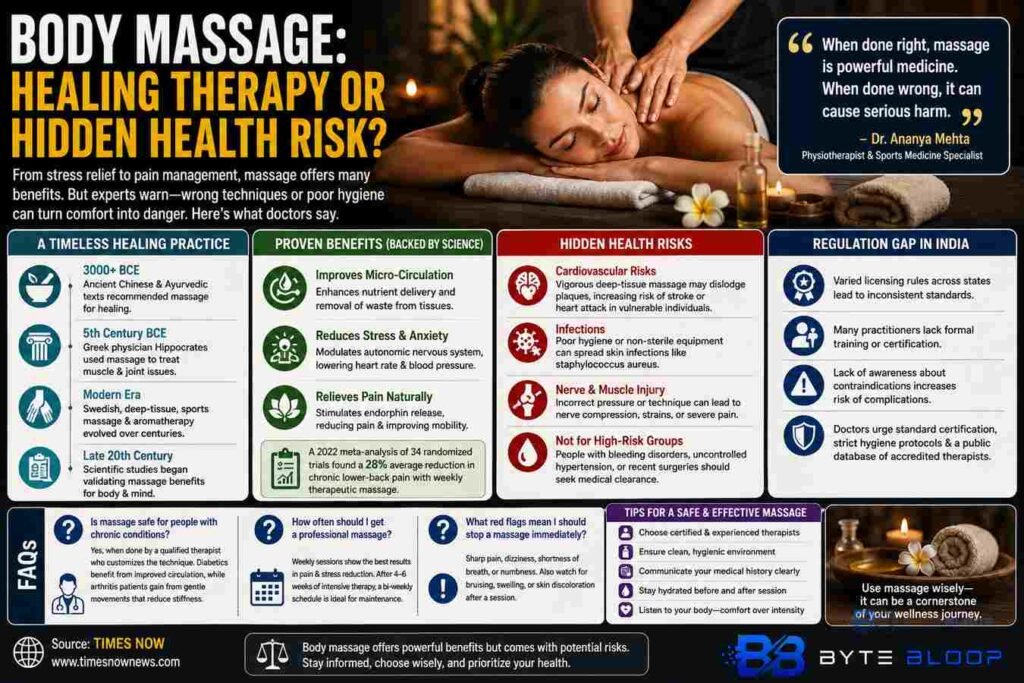
Massage is far from a modern fad. Ancient Chinese texts, Greek physicians such as Hippocrates, and Ayurvedic practitioners all recognized manual manipulation of soft tissue as a means to promote circulation and relieve pain. Over centuries, techniques evolved—from Swedish strokes to deep‑tissue pressure, from aromatherapy to sports‑specific modalities. In the last two decades, the wellness industry has commercialised these practices, turning them into multi‑billion‑dollar services.
Despite its deep roots, scientific scrutiny of massage only gained momentum in the late 20th century. Early studies focused on short‑term outcomes like reduced cortisol levels and improved range of motion. More recent research explores long‑term effects on cardiovascular health, immune function, and mental well‑being. Simultaneously, case reports of adverse events—such as nerve damage, blood clots, and infections—have prompted regulators and clinicians to call for stricter standards.
Key Details & Impact Analysis
During the live chat, Dr. Ananya Mehta, a physiotherapist and sports‑medicine specialist, highlighted three scientifically backed benefits of regular, properly administered massage: (1) enhanced micro‑circulation that aids nutrient delivery and waste removal; (2) modulation of the autonomic nervous system, which can lower heart rate and blood pressure; and (3) activation of mechanoreceptors that trigger endorphin release, providing natural pain relief. She cited a 2022 meta‑analysis of 34 randomized trials showing a 28% average reduction in chronic lower‑back pain scores among participants receiving weekly therapeutic massage.
Conversely, Dr. Rajiv Kapoor, a senior cardiologist, warned of hidden dangers, especially for high‑risk groups. He explained that vigorous deep‑tissue work can dislodge atherosclerotic plaques, potentially precipitating a stroke or myocardial infarction in susceptible individuals. Moreover, improper hygiene or the use of non‑sterile equipment can spread skin infections like staphylococcus aureus. Dr. Kapoor emphasized that people with bleeding disorders, uncontrolled hypertension, or recent surgeries should obtain medical clearance before booking a session.
Another key point raised was the regulatory gap. In India, massage parlours operate under varied licensing regimes, and many practitioners lack formal training. This inconsistency can lead to techniques being applied without understanding contraindications, increasing the risk of nerve compression or musculoskeletal strain. The doctors collectively urged the government to standardise certification, enforce hygiene protocols, and create a public database of accredited therapists.
Frequently Asked Questions (FAQs)
Is massage safe for people with chronic conditions like diabetes or arthritis?
Generally, yes—when performed by a qualified therapist who tailors pressure and technique to the client’s condition. For diabetics, massage can improve peripheral circulation, but therapists must avoid aggressive strokes that could cause skin tears. Arthritis patients benefit from gentle, range‑of‑motion movements that reduce stiffness without over‑loading inflamed joints.
How often should I get a professional massage to reap health benefits?
Research suggests a weekly session yields the most noticeable improvements in pain and stress markers, but frequency can be adjusted based on budget and personal response. For maintenance, many experts recommend a bi‑weekly schedule after an initial intensive phase of 4‑6 weeks.
What red flags indicate I should stop a massage immediately?
Sharp, shooting pain, sudden dizziness, shortness of breath, or any sensation of numbness should prompt the therapist to cease the treatment. Clients should also watch for skin discoloration, excessive bruising, or swelling after a session—signs that may warrant medical evaluation.
Conclusion
Body massage sits at the intersection of ancient healing art and modern science. When administered by trained professionals and matched to an individual’s health profile, it can deliver measurable benefits for stress relief, pain management, and cardiovascular health. However, the therapy is not without risks, especially for vulnerable populations or when hygiene standards lapse. By staying informed, seeking accredited practitioners, and consulting healthcare providers when needed, you can maximise the therapeutic upside while minimising hidden hazards. The dialogue sparked by Times Now’s live chat underscores a simple truth: massage is a powerful tool—use it wisely, and it can be a cornerstone of a holistic wellness routine.
Source: Times Now
