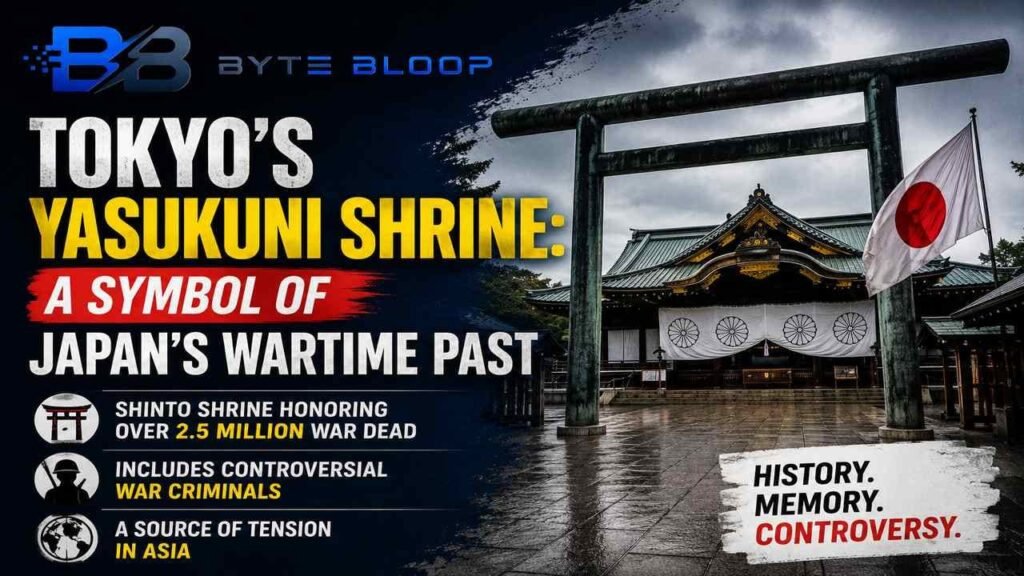
Tokyo’s Yasukuni Shrine: A Symbol of Japan’s Wartime Past
Introduction
Located in the heart of Tokyo, the Yasukuni Shrine is a Shinto shrine dedicated to the spirits of Japan’s war dead. With over 2.5 million individuals enshrined, including those who fought and died in World War II, the site has become a focal point of controversy and tension between Japan and its neighboring countries. The shrine’s connection to Japan’s wartime atrocities has sparked heated debates and protests, making it a highly sensitive and complex issue.
The history of the Yasukuni Shrine dates back to 1869, when it was established to honor the spirits of those who died in the Boshin War. Over time, the shrine has become a symbol of Japan’s military history and a place of reverence for the country’s war dead. However, the enshrinement of Japanese war criminals, including those convicted of heinous crimes during World War II, has raised concerns and criticisms from countries such as China and South Korea.
Background & Historical Context
The Yasukuni Shrine’s history is deeply intertwined with Japan’s military expansion and aggression during the early 20th century. During World War II, Japan’s military committed numerous atrocities, including the Nanking Massacre and the forced conscription of Korean and Chinese laborers. The shrine’s connection to these events has made it a source of pain and resentment for the victims and their families. In 1978, the enshrinement of 14 Class-A war criminals, including former Prime Minister Hideki Tojo, sparked widespread outrage and protests from neighboring countries.
Despite the controversy surrounding the Yasukuni Shrine, it remains a significant cultural and historical site in Japan. Many Japanese citizens visit the shrine to pay their respects to the country’s war dead, and it is also a popular tourist destination. However, the shrine’s connection to Japan’s wartime past continues to be a point of contention, with many arguing that it glorifies the country’s military aggression and ignores the suffering of its victims.
Key Details & Impact Analysis
The Yasukuni Shrine’s impact on Japan’s relationships with its neighbors cannot be overstated. The shrine has become a symbol of Japan’s refusal to fully acknowledge and atone for its wartime atrocities, leading to strained diplomatic relations with countries such as China and South Korea. The issue has also sparked domestic debates within Japan, with some arguing that the shrine is a necessary part of the country’s history and cultural heritage, while others see it as a painful reminder of the country’s wartime aggression.
The controversy surrounding the Yasukuni Shrine has also had significant economic and cultural implications. The shrine has become a focal point of anti-Japanese protests and boycotts, particularly in China and South Korea. The issue has also affected Japan’s tourism industry, with some travelers choosing to avoid the country due to concerns over its handling of wartime history. Furthermore, the controversy has highlighted the need for Japan to come to terms with its wartime past and to find a way to reconcile its history with its present and future.
Frequently Asked Questions (FAQs)
What is the Yasukuni Shrine, and what is its significance in Japan?
The Yasukuni Shrine is a Shinto shrine located in Tokyo, dedicated to the spirits of Japan’s war dead. It is a significant cultural and historical site in Japan, where many citizens visit to pay their respects to the country’s war dead.
Why is the Yasukuni Shrine controversial, and what are the main criticisms against it?
The Yasukuni Shrine is controversial due to its connection to Japan’s wartime atrocities, particularly the enshrinement of Japanese war criminals. Critics argue that the shrine glorifies the country’s military aggression and ignores the suffering of its victims.
How has the Yasukuni Shrine affected Japan’s relationships with its neighbors, and what are the implications for the region?
The Yasukuni Shrine has strained Japan’s diplomatic relations with countries such as China and South Korea, which view the shrine as a symbol of Japan’s refusal to fully acknowledge and atone for its wartime atrocities. The issue has significant economic and cultural implications, including anti-Japanese protests and boycotts, and highlights the need for Japan to come to terms with its wartime past.
Conclusion
In conclusion, the Yasukuni Shrine is a complex and sensitive issue that has significant implications for Japan and its relationships with its neighbors. While the shrine is a significant cultural and historical site in Japan, its connection to the country’s wartime atrocities has sparked controversy and criticism. As Japan continues to navigate its wartime past and its place in the region, it is essential for the country to find a way to reconcile its history with its present and future, and to work towards a more nuanced and accurate understanding of its role in the world.
Source: Al Jazeera
