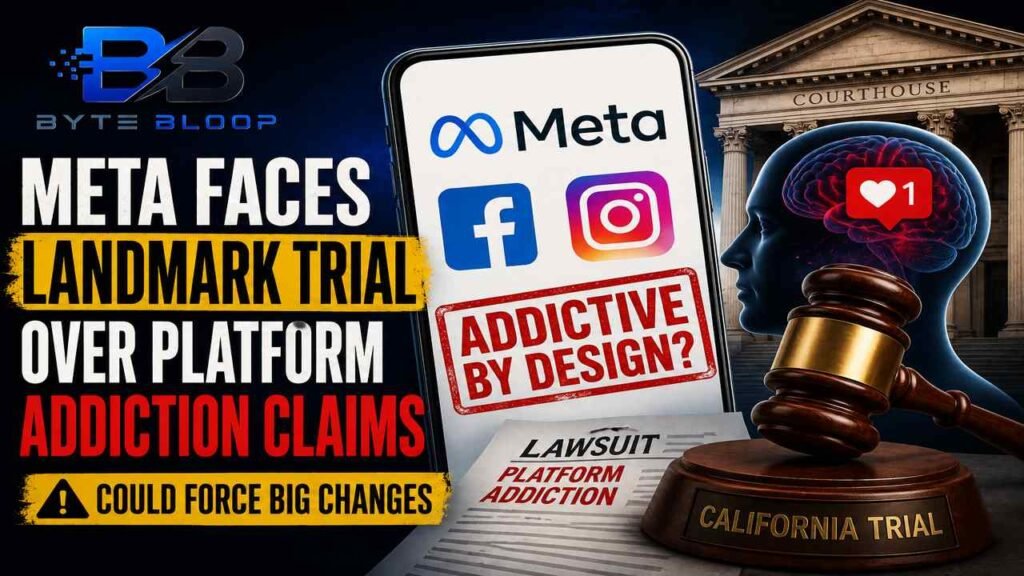
Meta Faces Landmark California Trial Over Platform Addiction Claims
Introduction
In a courtroom in San Francisco, a high‑stakes trial has begun that could force one of the world’s biggest tech giants to overhaul how its flagship platforms operate. The lawsuit, filed by a coalition of consumer‑rights groups and former employees, accuses Meta Platforms Inc. of deliberately designing Facebook and Instagram to trigger addictive behaviors, exploiting users’ psychological vulnerabilities for profit. If the plaintiffs succeed, the case may set a legal precedent that compels Meta to redesign its algorithms, introduce stricter user‑control features, and potentially pay billions in damages.
The trial arrives at a moment when public scrutiny of social‑media companies is at an all‑time high. Lawmakers in Washington and state capitals across the United States have introduced legislation aimed at curbing “dark‑pattern” design, while advertisers and content creators grapple with the fallout of recent algorithm changes. The outcome of this case could therefore ripple far beyond Meta’s balance sheet, influencing industry standards and regulatory approaches worldwide.
Background & Historical Context
Meta’s journey from a college‑room startup to a $1.5 trillion conglomerate has been marked by relentless product innovation and aggressive user‑growth tactics. Early research papers from the company’s own data‑science teams revealed that infinite scrolling, variable‑reward notifications, and personalized content feeds could increase time spent on the apps by up to 30 percent. Critics argue that these findings were internal evidence of an intent to hook users, a claim Meta has consistently denied, insisting that its design choices aim to improve user experience.
The lawsuit builds on a series of legal battles that have already reshaped the tech landscape. In 2023, a federal judge in Texas ruled that a similar claim against a major video‑sharing platform could proceed, citing evidence that the company had prioritized engagement metrics over user well‑being. Moreover, the 2024 European Union Digital Services Act introduced mandatory risk‑assessment obligations for large platforms, signaling a global shift toward holding tech firms accountable for the societal impact of their products.
Key Details & Impact Analysis
At the heart of the case are three core allegations: first, that Meta’s engineers deliberately incorporated “addictive loops” such as endless scroll and push notifications designed to trigger dopamine spikes; second, that the company concealed these design choices from regulators and the public; and third, that it failed to provide meaningful tools for users to limit screen time or control content exposure. Evidence presented includes internal memos, whistle‑blower testimony, and data logs showing a correlation between specific UI changes and spikes in user session length.
Should the jury find Meta liable, the ramifications could be profound. A court‑ordered injunction might require the company to roll back or redesign its most engaging features, introduce default time‑limit settings, and submit to regular audits by an independent oversight board. Financial penalties could reach into the billions, reflecting both punitive damages and compensation for alleged mental‑health harms. Beyond Meta, the verdict would likely embolden regulators in the United States to pursue similar actions against other social‑media giants, accelerating a wave of legislative reforms aimed at curbing digital addiction.
Frequently Asked Questions (FAQs)
What specific design elements are being called “addictive” in the lawsuit?
The plaintiffs focus on infinite scrolling, algorithmic feeds that prioritize emotionally charged content, and push notifications that appear at unpredictable intervals. These features, they argue, exploit the brain’s reward system, making it difficult for users to disengage voluntarily.
How could a ruling against Meta affect everyday users?
If the court orders changes, users may see new default settings that limit daily usage, clearer opt‑out options for personalized feeds, and more transparent explanations of why certain posts appear. While some may welcome these safeguards, others could experience a less “sticky” experience, potentially reducing the time they spend on the platforms.
Is this the first legal challenge targeting social‑media addiction?
No. Over the past few years, several states and consumer groups have filed similar suits, and a 2023 Texas case against a video‑sharing platform set an early precedent. However, this is the first major federal‑level trial directly targeting Meta’s two flagship apps, making it the most consequential case to date.
Conclusion
The trial marks a pivotal moment in the ongoing debate over technology’s role in society. By scrutinizing Meta’s design choices through a legal lens, the case forces a broader conversation about corporate responsibility, user autonomy, and the ethical limits of engagement‑driven business models. Whether the courtroom will become the catalyst for sweeping industry reform remains to be seen, but the stakes are undeniably high—for Meta, its billions of users, and the future shape of digital interaction.
Source: Al Jazeera
