CRM Reviews: Full Review
Introduction
Customer Relationship Management (CRM) systems have evolved from simple contact lists into sophisticated ecosystems that drive sales, marketing, and service automation. In 2026, the market offers a dizzying array of options—from enterprise‑grade giants like Salesforce to niche players such as Agile CRM and Freshsales. Choosing the right platform can mean the difference between a fragmented customer experience and a unified, data‑driven operation. This review pulls together insights from leading rating sites, user feedback, and hands‑on evaluations to give you a clear picture of what each major vendor delivers. We’ll cover core features, pricing structures, integration capabilities, and real‑world performance, so you can match your business size and goals to the best fit. Whether you’re a solo entrepreneur or a multinational enterprise, the right CRM can streamline workflows, boost revenue, and unlock actionable insights. Let’s dive into the landscape and uncover the strengths and weaknesses of the top contenders.
Overview of the CRM Landscape
The CRM market is segmented by industry, company size, and feature set. Enterprise solutions such as Salesforce and Microsoft Dynamics 365 dominate the large‑scale space with deep customization and extensive ecosystem integrations. Mid‑market vendors like HubSpot, Zoho, and Pipedrive offer a balance of usability and scalability, while small‑business‑focused tools such as Freshsales and Agile CRM emphasize affordability and quick deployment. According to G2’s 2026 review data, 117,881 verified user reviews now provide a real‑time pulse on user satisfaction across these platforms.
Key Features to Compare
When evaluating a CRM, consider the following pillars:
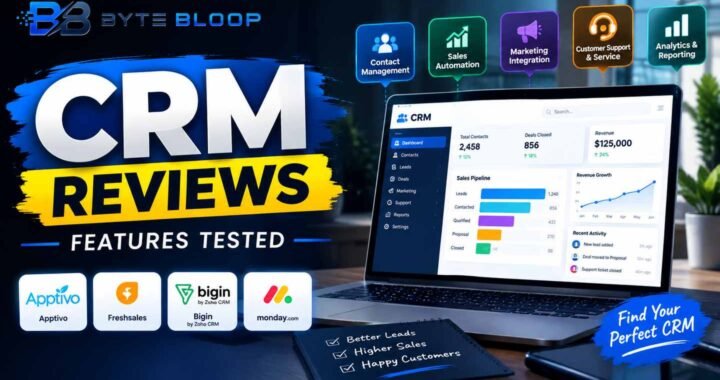
- Contact & Account Management – Centralized data storage, segmentation, and enrichment.
- Sales Automation – Lead scoring, pipeline management, and workflow automation.
- Marketing Integration – Email marketing, social media, and campaign analytics.
- Service & Support – Ticketing, knowledge bases, and customer self‑service portals.
- Analytics & Reporting – Custom dashboards, predictive analytics, and AI insights.
- Integrations & API – Native connectors to ERP, e‑commerce, and third‑party apps.
Performance & Experience
Salesforce remains the benchmark for enterprise power, offering unparalleled customization through its Lightning Platform and a vast marketplace of add‑ons. However, its learning curve and licensing tiers can be prohibitive for smaller teams. HubSpot’s freemium model and intuitive UI make it a favorite for SMBs, though advanced features require paid tiers. Zoho CRM’s modular pricing and strong automation tools provide good value, but some users report occasional UI lag on mobile devices.
Freshsales, highlighted by PCMag’s 2026 editors, excels in out‑of‑the‑box email tracking and AI‑driven lead scoring, delivering a smooth onboarding experience for teams new to CRMs. Agile CRM, as noted by TechRadar, offers a solid set of features but suffers from a less polished UX, which can slow adoption. Pipedrive’s visual pipeline is praised for its simplicity, yet it lacks robust marketing automation compared to its peers.
Integration breadth varies significantly. Salesforce’s AppExchange hosts thousands of apps, but third‑party connectors often require additional development. HubSpot’s native integrations cover most marketing and sales tools, while Zoho’s ecosystem is tightly integrated across its own suite of business apps.
Pros and Cons
Salesforce: Pros – Deep customization, extensive integration, strong analytics. Cons – High cost, steep learning curve, complex licensing.
HubSpot: Pros – Free tier, user‑friendly, strong marketing suite. Cons – Limited customization, higher cost for advanced sales features.
Zoho CRM: Pros – Affordable, modular pricing, strong automation. Cons – UI performance issues, limited AI capabilities.
Freshsales: Pros – Intuitive UI, AI lead scoring, quick setup. Cons – Limited marketing automation, fewer third‑party integrations.
Agile CRM: Pros – Affordable, all‑in‑one suite. Cons – UX issues, slower performance.
Who Should Use Which CRM?
Large enterprises with complex processes and custom development budgets should lean toward Salesforce or Microsoft Dynamics 365. Mid‑market companies seeking a balance of power and usability may find HubSpot or Zoho CRM compelling. Small businesses and startups that prioritize ease of use and cost will benefit from Freshsales, Pipedrive, or Agile CRM. Always test a free trial and map your core workflows to the platform’s capabilities before committing.
Key Takeaways
- Salesforce leads in enterprise features but at a high cost
- HubSpot offers a strong free tier and marketing tools for SMBs
- Zoho balances affordability with robust automation
- Freshsales excels in AI lead scoring and quick onboarding
- Agile CRM provides an all‑in‑one solution, though UX can lag
Frequently Asked Questions
What is a CRM and why is it important?
A Customer Relationship Management system centralizes customer data, automates sales and marketing processes, and provides analytics to improve customer engagement and revenue.
What are the key features of top CRM platforms?
Core features include contact management, sales pipeline automation, marketing integration, customer service tools, analytics dashboards, and robust API or integration ecosystems.
What are the best use cases for Salesforce versus HubSpot?
Salesforce suits large enterprises needing deep customization and extensive integrations; HubSpot is ideal for SMBs seeking a user‑friendly, free‑tier solution with strong marketing capabilities.
What are the pros and cons of using Agile CRM?
Pros: affordable, all‑in‑one suite with sales, marketing, and service tools. Cons: UX issues, slower performance, and limited advanced analytics.
Conclusion
Based on the available information and industry analysis, selecting the right CRM hinges on aligning platform capabilities with your company’s size, budget, and workflow complexity. Enterprise‑grade solutions like Salesforce offer unmatched customization and integration depth but come with higher costs and a steeper learning curve. Mid‑market options such as HubSpot and Zoho CRM balance power and ease of use, making them suitable for growing businesses that need robust marketing automation without extensive development overhead. Small‑business‑focused CRMs like Freshsales and Agile CRM deliver quick deployment and affordability, though they may lack some advanced features. Ultimately, the best choice depends on your specific operational needs and long‑term growth strategy.
Related Reading
- How to Choose the Right CRM for Your Business