Marketing Technology: Explained
Introduction
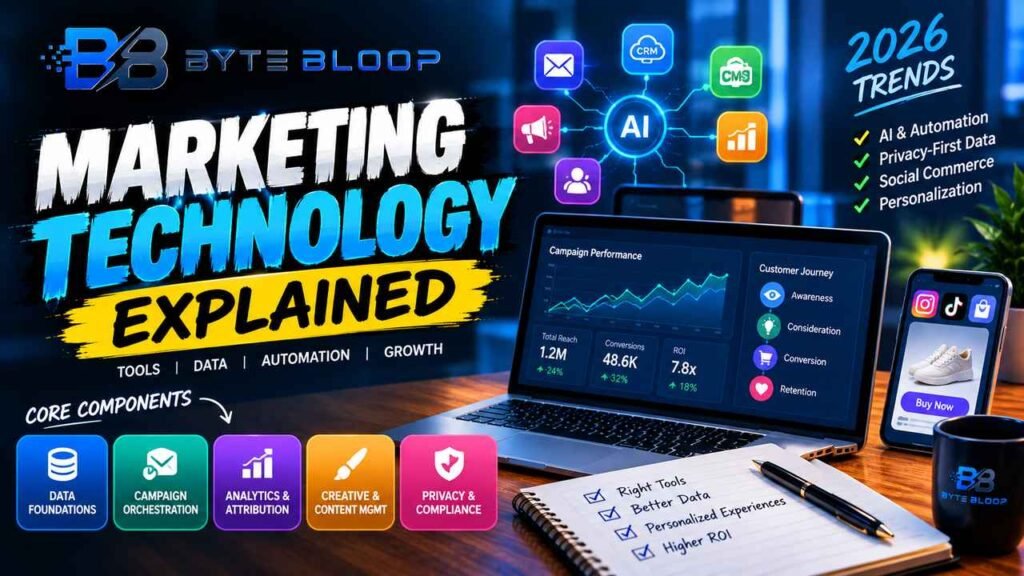
Marketing Technology Explained is a topic worth understanding well. Marketing technology, or MarTech, blends software, data, and automation to help marketers design, execute, and measure campaigns at scale. In 2026, the MarTech ecosystem has expanded beyond email and social media into AI‑driven personalization, zero‑party data collection, and real‑time journey orchestration. Companies that adopt a cohesive stack can cut manual effort, reduce duplication, and deliver hyper‑relevant experiences that resonate with privacy‑conscious consumers.
Yet, the sheer volume of tools—CRM, CMS, analytics, and creative platforms—can overwhelm teams, leading to fragmented data and costly redundancies. This article unpacks the core components of MarTech, examines the latest 2026 trends, and offers practical guidance for building a stack that maximizes ROI while staying compliant with evolving privacy regulations. Whether you’re a CMO, a marketing technologist, or a small business owner, understanding the intersection of marketing and technology is essential for staying competitive in a data‑driven world.
What Is Marketing Technology?
According to What Is MarTech? The 2026 Guide to Marketing Technology, MarTech is the collection of software and platforms marketers use to plan, execute, and analyze campaigns. It encompasses everything from customer relationship management (CRM) systems to content management systems (CMS), analytics dashboards, and AI‑powered creative tools. The 4Ps—product, price, place, promotion—serve as a framework for mapping marketing functions to technology solutions, as highlighted in What, why, how of martech | Marketing Technology explained.
Core Components of a MarTech Stack
1. Data Foundations: Data warehouses, CDPs (customer data platforms), and data lakes aggregate first‑party, second‑party, and zero‑party data. These repositories enable segmentation and personalization at scale.
2. Campaign Orchestration: Marketing automation platforms—such as HubSpot, Eloqua, and ActiveCampaign—manage multi‑channel workflows, trigger emails, and score leads. The Marketing Automation Stack Map 2026 illustrates how these tools interconnect.
This matters directly for anyone exploring marketing technology explained.
3. Analytics & Attribution: Tools like Google Analytics 4, Adobe Analytics, and data visualization suites measure performance, assign credit, and uncover insights.
4. Creative & Content Management: CMS platforms (WordPress, Sitecore) and AI‑assisted design tools streamline content creation, localization, and A/B testing.
Getting marketing technology explained right can make a real difference.
5. Privacy & Compliance: GDPR, CCPA, and emerging regulations require consent management platforms and data governance frameworks.
2026 MarTech Trends
According to Top 9 Marketing Technology Trends in 2026, AI‑powered automation dominates the landscape, enabling real‑time personalization and predictive content generation. MarTech Trends 2026: A Complete Guide to AI identifies zero‑party data as a cornerstone for privacy‑first strategies, while smart CMS solutions adapt content based on user intent. Social commerce continues to grow, with platforms integrating checkout flows directly into social feeds, creating trillion‑dollar opportunities.
That is a core part of understanding marketing technology explained.
Building a High‑Performing Stack
1. Start with Strategy: Define business objectives—lead generation, brand awareness, or customer retention—and map them to technology capabilities.
2. Prioritize Integration: Choose tools that natively connect or offer robust APIs to avoid siloed data.
Many readers look into marketing technology explained for exactly this reason.
3. Focus on Data Quality: Implement data hygiene practices, deduplication, and enrichment to ensure accurate segmentation.
4. Adopt AI Wisely: Leverage AI for predictive scoring and content creation, but maintain human oversight for brand voice and compliance.
It is worth revisiting marketing technology explained as things develop.
5. Monitor ROI: Use attribution models that reflect multi‑touch journeys and adjust spend accordingly.
Practical Use Cases
Personalized Email Campaigns: Integrate a CDP with an automation platform to trigger context‑aware messages based on browsing behavior.
Marketing Technology Explained remains highly relevant here.
Dynamic Landing Pages: Combine a smart CMS with real‑time analytics to adjust layout and messaging for each visitor segment.
Social Commerce Funnels: Embed checkout widgets into Instagram or TikTok posts, allowing users to purchase without leaving the platform.
This is a key consideration when it comes to marketing technology explained.
Pros and Cons of MarTech Adoption
Pros: Scalability—automate repetitive tasks; Insights—data‑driven decisions; Personalization—enhance customer experience.
Cons: Complexity—steep learning curves; Cost—subscription fees and integration expenses; Data Privacy—risk of non‑compliance if not managed properly.
Key Takeaways
- MarTech blends data, AI, and automation to scale marketing efforts
- 2026 trends emphasize AI, privacy‑first data, and social commerce
- A cohesive stack requires strategic alignment, integration, and data hygiene
- ROI is maximized by continuous monitoring and attribution refinement
- Compliance frameworks are critical to avoid penalties and build trust
Frequently Asked Questions
What is marketing technology explained?
Marketing technology, or MarTech, refers to the suite of software and platforms that enable marketers to plan, execute, and analyze campaigns using data, automation, and AI.
What are the key features of a modern MarTech stack?
Core features include data foundations (CDPs, data lakes), campaign orchestration (automation platforms), analytics & attribution tools, creative & content management systems, and privacy & compliance modules.
What are the best use cases for MarTech in 2026?
Personalized email workflows, dynamic landing pages driven by real‑time data, and social commerce funnels that embed checkout within social feeds are leading use cases.
What are the pros and cons of adopting MarTech?
Pros: scalability, data insights, and personalization. Cons: complexity, cost, and privacy compliance challenges.
Conclusion
Based on the available information and industry analysis, marketing technology in 2026 provides a framework for integrating AI, data, and automation to deliver personalized, privacy‑compliant campaigns that drive measurable ROI. By strategically aligning tools, ensuring data quality, and continuously monitoring performance, marketers can transform fragmented efforts into cohesive, high‑impact strategies that resonate with today’s digital consumers.
Related Reading
- AI in Marketing: How Automation Is Changing the Game
- Data Privacy in MarTech: Best Practices for Compliance
Sources & References
- Maximize ROI With Marketing Technology (Martech) — Learn how CMOs can maximize martech ROI, streamline tech stacks and prepare for AI with the Gartner strategic guide to marketing technology.
- Complete Guide to Marketing Technology in 2026 — Discover what MarTech is, why it matters, and how to build a high-performing stack with key tools, benefits, and 2026 trends.
- What Is MarTech? The 2026 Guide to Marketing Technology — MarTech, short for marketing technology, is the collection of software and platforms marketers use to plan, execute, and analyze campaigns …
- What, why, how of martech | Marketing Technology explained — TLDR; A quick definition – martech, or marketing technology, is the intersection of marketing and technology, which can be simplified using the 4Ps.
- Top 9 Marketing Technology Trends in 2026 — 2026 AI-powered automation, privacy-first data strategies, and trillion-dollar social commerce are redefining marketing technology in 2026.
- MarTech Trends 2026: A Complete Guide to AI … — Overview of 2026 MarTech trends: AI, real-time personalization, zero-party data, journey automation, smart CMS, and data compliance.
Related Articles