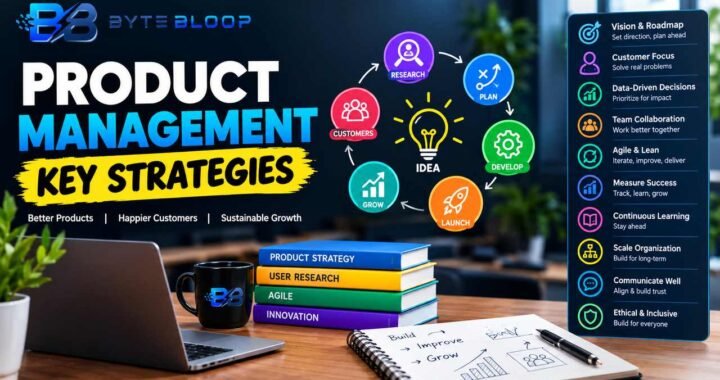
Data-Driven Decisions: Explained
Introduction
In today’s hyper‑competitive marketplace, leaders can no longer rely on gut instinct alone. Data‑driven decision‑making (DDDM) replaces intuition with rigorous analysis, turning raw numbers into strategic advantage. By systematically collecting, cleaning, and interpreting data, organizations can identify trends, forecast outcomes, and align actions with long‑term goals. This shift not only boosts efficiency but also builds stakeholder confidence, as every choice is backed by evidence. Moreover, the rise of cloud analytics, AI, and real‑time dashboards has made DDDM accessible to businesses of all sizes. Embracing this approach means turning information into insight, insight into strategy, and strategy into measurable results. Below we unpack the core concepts, implementation steps, and real‑world examples that illustrate why data‑driven decisions are essential for modern enterprises.
What Is Data‑Driven Decision‑Making?
Data‑driven decision‑making is an approach that emphasizes using data and analysis instead of intuition to inform business decisions. According to IBM, it involves collecting relevant data, applying analytical tools, and interpreting results to guide strategy and operations. The goal is to align every decision with measurable evidence, ensuring consistency and accountability across the organization.
Why It Matters
Research shows that companies that adopt DDDM see higher profit margins, faster time‑to‑market, and improved customer satisfaction. By grounding choices in fact, firms reduce the risk of costly missteps and create a culture of transparency. Data also uncovers hidden opportunities—such as untapped customer segments or process inefficiencies—that intuition alone might miss.
Core Components of a DDDM Framework
1. Data Collection: Establish reliable sources—CRM, ERP, IoT, social media—and standardize formats.
2. Data Governance: Define ownership, quality standards, and privacy controls to maintain integrity.
3. Analytics Layer: Use descriptive analytics for reporting, diagnostic analytics for root‑cause, predictive models for forecasting, and prescriptive analytics for recommendations.
4. Decision Architecture: Embed analytics into workflow—dashboards for executives, alerts for ops teams, and automated triggers for repetitive tasks.
5. Feedback Loop: Measure outcomes, compare against KPIs, and refine models continuously.
Implementing DDDM in Your Organization
Start with a clear business question. For example, a retailer might ask, “Which product categories will drive the highest margin growth in the next quarter?” Next, gather sales, inventory, and customer sentiment data. Clean the data to remove duplicates and outliers. Apply a predictive model—such as time‑series forecasting—to estimate future demand. Visualize results in a Power BI dashboard that highlights high‑margin opportunities. Finally, create a decision matrix that assigns actions (e.g., reorder, discount, marketing push) based on model outputs.
Key to success is cross‑functional collaboration. Data scientists, business analysts, and domain experts must co‑design models to ensure relevance. Training programs that teach data literacy empower employees to interpret dashboards and ask the right questions.
Real‑World Examples
Retail: A mid‑size apparel chain used DDDM to analyze foot traffic patterns and online clickstreams, discovering that weekend sales were highest in the 18‑24 age group. By reallocating inventory and targeted promotions, they increased conversion rates by 12%.
Manufacturing: A factory implemented predictive maintenance using sensor data. The model flagged equipment likely to fail within 48 hours, reducing downtime by 18% and saving $350,000 annually.
Financial Services: A bank leveraged customer transaction data to refine credit scoring models, cutting default rates by 5% while expanding loan approvals.
Common Challenges and Mitigation Strategies
1. Data Silos: Break down departmental barriers by adopting unified data warehouses.
2. Skill Gaps: Offer continuous learning and hire data stewards to bridge expertise.
3. Change Resistance: Communicate ROI through pilot projects and celebrate quick wins.
4. Overreliance on Technology: Pair analytics with human judgment to avoid algorithmic bias.
Future Trends in DDDM
Artificial intelligence will automate deeper insights, while edge computing will enable real‑time analytics on the shop floor. Additionally, ethical AI frameworks will guide responsible data use, ensuring privacy and fairness.
Key Takeaways
- Data‑driven decisions replace intuition with evidence, improving accuracy and accountability.
- A structured framework—collection, governance, analytics, decision architecture, and feedback—ensures sustainable adoption.
- Cross‑functional collaboration and data literacy are critical to unlock the full value of analytics.
- Real‑world case studies show measurable gains across retail, manufacturing, and finance sectors.
- Future AI and edge computing will accelerate real‑time decision‑making while emphasizing ethical data use.
Frequently Asked Questions
What is data‑driven decision‑making?
Data‑driven decision‑making is an approach that emphasizes using data and analysis instead of intuition to inform business decisions, ensuring choices are grounded in measurable evidence.
What are the key components of a data‑driven decision framework?
Key components include data collection, data governance, an analytics layer, decision architecture, and a continuous feedback loop to refine models and outcomes.
What are the best use cases for data‑driven decisions?
Use cases span retail inventory optimization, predictive maintenance in manufacturing, credit scoring in finance, marketing campaign targeting, and operational efficiency improvements across industries.
What are the pros and cons of adopting data‑driven decision‑making?
Pros include higher accuracy, reduced risk, and improved stakeholder confidence; cons can be data silos, skill gaps, change resistance, and potential overreliance on technology.
Conclusion
Based on the available information and industry analysis, data‑driven decisions provide a systematic, evidence‑based framework that transforms raw information into actionable insights, leading to measurable performance improvements across sectors. By embedding analytics into every layer of the organization— from strategic planning to day‑to‑day operations—companies can reduce uncertainty, accelerate innovation, and maintain a competitive edge in an increasingly data‑rich world.
Related Reading
- How to Build a Data Warehouse for Decision‑Making
- Top Analytics Tools for Small Businesses