Business Data Privacy: Explained
Introduction
Data privacy has moved from a niche compliance topic to a central pillar of corporate strategy. In the digital age, every click, transaction, and employee record generates data that can be leveraged for growth or exploited for fraud. Companies that fail to manage this data responsibly risk regulatory fines, reputational damage, and loss of customer trust. A robust data privacy program not only protects individuals but also strengthens competitive advantage by demonstrating ethical stewardship. Understanding the relationship between data collectors, processors, and the rights of individuals is essential for any business that handles personal information. By embedding privacy into product design, operations, and culture, firms can preempt breaches and build lasting confidence among stakeholders. This guide breaks down the core concepts, regulatory landscape, and practical steps to secure your organization’s data privacy.
What Business Data Privacy Means
According to What Is Data Privacy?, data privacy is the relationship between entities that collect, process, and use personal data and individuals’ controls and choices. For businesses, this means establishing clear policies that define who can access data, how it is stored, and under what circumstances it may be shared. The goal is to align operational practices with the expectations of customers, employees, and regulators.
Regulatory Landscape in 2026
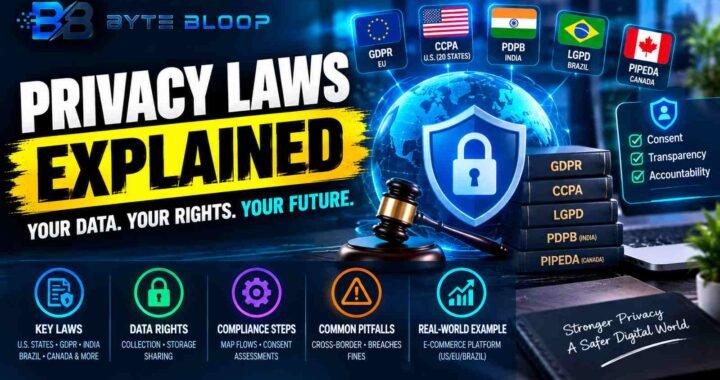
Global data privacy laws have evolved rapidly. The European Union’s GDPR and UK GDPR remain the gold standard, while the United States has a patchwork of state laws such as California’s CCPA and Virginia’s VCDPA. Emerging markets are also tightening rules: India’s DPDP Act, Brazil’s LGPD, and Canada’s PIPEDA all impose strict consent, data minimization, and breach notification requirements. Data Privacy Laws in 2026 outlines that businesses operating internationally must navigate at least six major regimes, each with its own enforcement mechanisms.
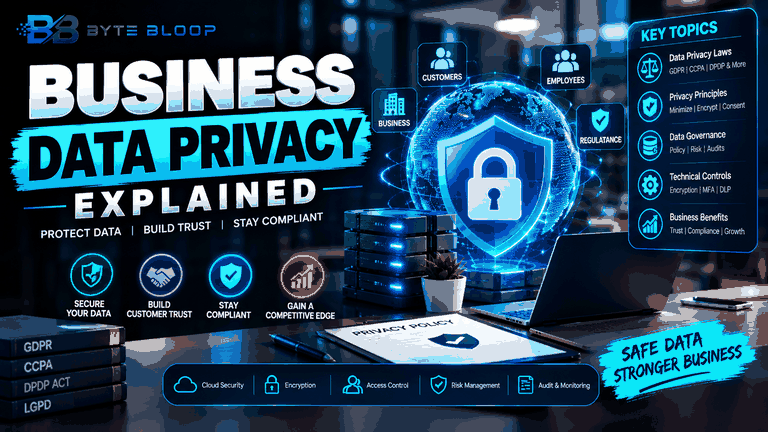
Core Principles of a Privacy‑First Approach
- Privacy by Design – Embed safeguards in systems from the outset rather than as an afterthought.
- Data Minimization – Collect only what is necessary for a specific purpose.
- Consent Management – Obtain explicit, granular consent and provide easy opt‑out options.
- Transparency – Communicate clearly how data is used, stored, and shared.
- Security Measures – Encrypt data in transit and at rest, enforce multi‑factor authentication, and regularly test for vulnerabilities.
Implementing Data Privacy Governance
Effective governance starts with a data classification framework that labels information by sensitivity and regulatory exposure. Data Privacy Governance: 8 Best Practices (2026) recommends establishing a cross‑functional privacy council, automating policy enforcement, and conducting annual risk assessments. Companies should also adopt a privacy management platform that offers real‑time monitoring, consent workflows, and audit trails. Privacy Management Platform Features & Risks 2026 advises evaluating tools on compliance coverage, scalability, and integration with existing security stacks.
Technical Controls to Protect Personal Information
Encryption is the first line of defense. The FTC guide stresses that any transmission containing potentially fraud‑able data must be encrypted. Authentication protocols—such as OAuth 2.0 and SAML—ensure that only authorized users can access sensitive data. Role‑based access control (RBAC) limits internal exposure, while data loss prevention (DLP) solutions flag and block accidental leaks. Regular penetration testing and continuous monitoring help detect anomalous activity before it escalates.
Operational Practices for Ongoing Compliance
- Employee Training – Conduct annual privacy awareness sessions.
- Vendor Management – Require third parties to meet your privacy standards and include data protection clauses in contracts.
- Incident Response – Develop a breach‑response plan that includes notification timelines, stakeholder communication, and remediation steps.
Measuring Success and Continuous Improvement
Key performance indicators (KPIs) such as the number of data breaches, time to remediate incidents, and audit findings provide tangible metrics for privacy health. Data Protection for Businesses: A Complete Guide for 2026 suggests integrating privacy metrics into executive dashboards to keep leadership accountable. Continuous improvement cycles—plan, do, check, act—ensure that privacy practices evolve with new threats and regulatory changes.
Key Takeaways
- Privacy is a business asset, not a liability.
- Compliance requires a blend of legal, administrative, and technical controls.
- Data classification and consent management are foundational steps.
- Privacy‑by‑design reduces breach risk and builds customer trust.
- Regular audits and employee training sustain a resilient privacy culture.
Frequently Asked Questions
What is business data privacy explained?
Business data privacy refers to the set of practices, policies, and technologies that protect personal information collected and processed by an organization, ensuring compliance with laws and safeguarding individual rights.
What are the key features of a privacy‑first program?
Key features include privacy by design, data minimization, explicit consent management, transparency, and robust encryption and authentication controls.
What are the best use cases for a privacy management platform?
Platforms are ideal for automating consent workflows, managing cross‑border compliance, generating audit trails, and providing real‑time monitoring of data handling practices.
What are the pros and cons of implementing a privacy governance framework?
Pros: regulatory compliance, risk reduction, and customer trust. Cons: initial investment, ongoing maintenance, and potential operational complexity.
Conclusion
Based on the available information and industry analysis, implementing a comprehensive business data privacy program is essential for regulatory compliance, risk mitigation, and competitive differentiation. By integrating privacy principles into product design, adopting robust technical controls, and fostering a culture of accountability, companies can protect sensitive information while building lasting customer trust.
Related Reading
- Navigating GDPR Compliance for Small Businesses
- The Rise of Privacy‑by‑Design in Cloud Architecture
Sources & References
- What Is Data Privacy? Complete Guide for Businesses
- Protecting Personal Information: A Guide for Business
- Data Privacy Governance: 8 Best Practices (2026)
- Data protection and privacy laws | Identification for Development
- Privacy Management Platform Features & Risks 2026
- Data Protection for Businesses: A Complete Guide for 2026
- Data Privacy 101: The Essential Guide to Modern …
- Data Privacy Laws in 2026: A Practical Guide for Global …