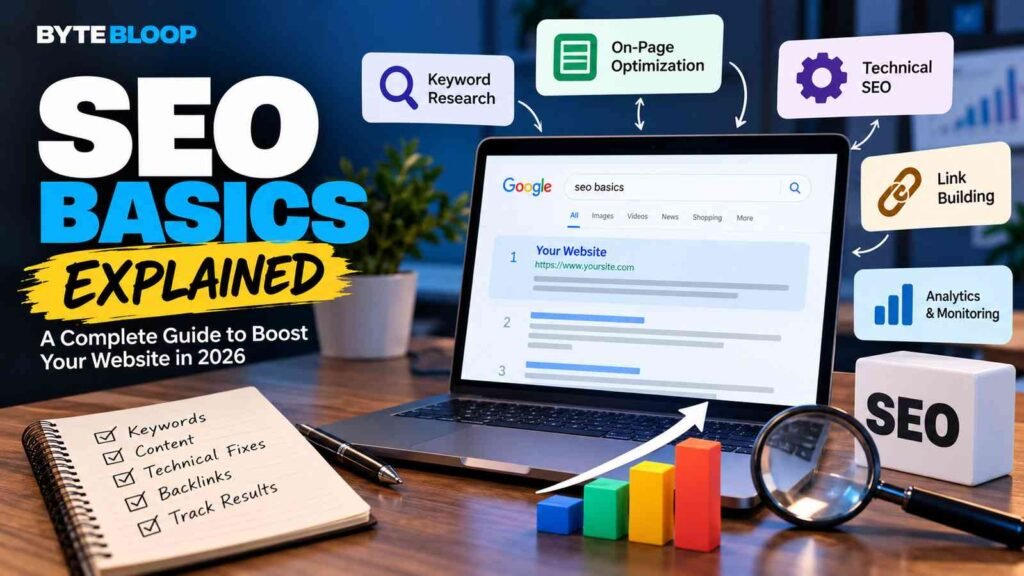
SEO Basics: Explained
Introduction
This guide covers seo basics explained in detail. Understanding seo basics explained helps readers make better, more informed decisions.
Search Engine Optimization, or SEO, is the practice of making your website more understandable to search engines and more useful to users. At its core, SEO is about bridging the gap between the intent behind a search query and the content you deliver. By aligning your site’s structure, keywords, and technical health with search engine algorithms, you can increase organic traffic, improve user engagement, and drive conversions. In 2026, SEO has evolved to include AI‑driven assistants like ChatGPT, which read and rank content based on relevance and quality. This shift means that content creators must focus not only on keyword density but also on context, intent, and user experience. The result? A more holistic approach that rewards high‑quality, well‑structured pages that answer real questions. Understanding these fundamentals will empower you to craft a strategy that grows sustainably, rather than chasing fleeting trends. Below we break down the essential components of SEO, from keyword research to technical checks, and show you how to apply them in practice. Understanding seo basics explained helps readers make better, more informed decisions.
What SEO Actually Does — seo basics explained
SEO helps search engines index and rank pages by evaluating relevance, authority, and user experience. When a user types a query, Google’s algorithm scans indexed pages, scoring them against dozens of signals—keyword match, page speed, mobile friendliness, backlinks, and more. The top‑ranked pages appear in the search results, and the higher you rank, the more likely users will click. This visibility translates into traffic, leads, and revenue. Understanding seo basics explained helps readers make better, more informed decisions.
Keyword Research: The Foundation
Keywords are the bridge between user intent and content. Start by brainstorming terms your audience might search for, then use tools like Google Keyword Planner, Ahrefs, or free alternatives to gauge search volume and competition. Aim for a mix of short‑tail keywords (e.g., “SEO”) and long‑tail phrases (e.g., “how to optimize a blog post for SEO in 2026”). Long‑tail queries often have lower competition and higher conversion rates. Understanding seo basics explained helps readers make better, more informed decisions.
On‑Page Optimization
On‑page SEO ensures each page is a clear signal to both users and crawlers. Key elements include: Understanding seo basics explained helps readers make better, more informed decisions.
- Title tags – concise, keyword‑rich headlines that fit within 60 characters.
- Meta descriptions – compelling summaries under 160 characters that encourage clicks.
- Header hierarchy (H1–H6) – organize content logically, placing primary keywords in the H1.
- URL structure – short, readable URLs that include the main keyword.
- Image optimization – descriptive file names, alt text, and compressed file sizes.
- Internal linking – guide users to related content and distribute link equity.
Technical SEO: The Invisible Backbone
Technical SEO ensures search engines can crawl, index, and render your site efficiently. According to a 2026 guide, the most common issues include: Understanding seo basics explained helps readers make better, more informed decisions.
- Broken links – fix 404 errors with redirects.
- Slow page speed – use tools like PageSpeed Insights to identify bottlenecks.
- Mobile usability – implement responsive design and test with Google’s Mobile-Friendly Test.
- XML sitemaps – keep them updated and submit to Google Search Console.
- Robots.txt and canonical tags – prevent duplicate content and guide crawlers.
Addressing these issues boosts crawl efficiency and improves user experience, both of which are critical ranking factors. Understanding seo basics explained helps readers make better, more informed decisions.
Content Quality and Intent
Google’s algorithms now prioritize content that satisfies user intent. This means: Understanding seo basics explained helps readers make better, more informed decisions.
- Answering the question the user asked.
- Providing depth and detail, not just surface‑level coverage.
- Using natural language and conversational tone, especially for voice search.
- Including multimedia (images, videos, infographics) to enhance engagement.
Regularly updating content keeps it fresh and signals relevance to search engines. Understanding seo basics explained helps readers make better, more informed decisions.
Link Building: Authority Signals
Backlinks remain a cornerstone of SEO authority. Focus on:
- Guest posting on reputable sites.
- Creating shareable content that naturally earns links.
- Reaching out to industry influencers for collaborations.
Quality outweighs quantity; a few high‑authority links can outweigh dozens of low‑quality ones.
Monitoring and Analytics
Use Google Search Console to track impressions, clicks, and average position. Pair this with Google Analytics to measure session duration, bounce rate, and conversion paths. Regular audits help you spot drops in rankings, identify new keyword opportunities, and refine your strategy.
SEO in the Age of AI Assistants
AI assistants like ChatGPT now surface content directly in search results. To rank in these “featured snippets,” structure your answers clearly, use bullet lists, and include concise, authoritative statements. Optimizing for AI means writing for humans first, then ensuring clarity for machines.
Putting It All Together: A 30‑Day Action Plan
1. Week 1: Keyword research and content audit.
2. Week 2: On‑page optimization and technical fixes.
3. Week 3: Publish new content and build initial backlinks.
4. Week 4: Analyze performance, adjust strategy, and plan next quarter.
Key Takeaways
- Keyword research drives relevance and traffic
- On‑page signals like title tags and headers are essential
- Technical health (speed, mobile, sitemap) underpins crawlability
- High‑quality content satisfies user intent and AI assistants
- Regular monitoring turns data into actionable strategy
Frequently Asked Questions
What is SEO and why is it important?
SEO, or Search Engine Optimization, is the practice of improving a website so that search engines can understand and rank it higher in organic results, driving more traffic and conversions.
What are the main components of on‑page SEO?
Title tags, meta descriptions, header hierarchy, keyword placement, URL structure, image alt text, and internal linking are core on‑page elements that signal relevance to search engines.
How does technical SEO affect rankings?
Technical SEO ensures search engines can crawl, index, and render a site efficiently; issues like broken links, slow load times, and mobile unfriendliness can hurt rankings.
What role do backlinks play in SEO?
Backlinks act as votes of confidence; high‑quality links from authoritative sites boost domain authority and improve search rankings.
How can AI assistants impact SEO?
AI assistants surface content directly in search results; optimizing for clarity, concise answers, and structured data helps capture these high‑visibility placements.
Conclusion
Based on the available information and industry analysis, mastering SEO basics provides a scalable foundation for sustainable online growth, ensuring that websites remain discoverable, user‑friendly, and competitive in an era where search engines increasingly prioritize intent, quality, and technical excellence.
Related Reading
- Advanced Technical SEO Strategies for 2026
Related Articles