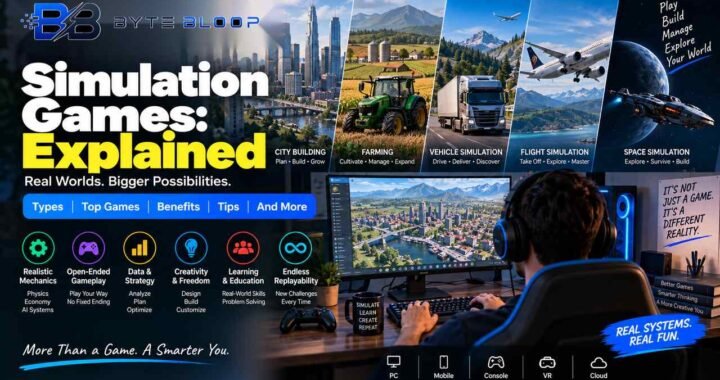
Gaming PCs: Explained
Introduction
Gaming PCs have become an essential part of the gaming industry, offering a unique and immersive experience for gamers. With the constant evolution of technology, gaming PCs have become more powerful, efficient, and affordable. A gaming PC is a computer designed specifically for playing video games, with high-performance components such as a strong processor, ample RAM, and a dedicated graphics card. The primary goal of a gaming PC is to provide a smooth and seamless gaming experience, with fast loading times, high frame rates, and detailed graphics. In recent years, the demand for gaming PCs has increased significantly, with many gamers opting for custom-built PCs over consoles. This is due to the fact that gaming PCs offer more flexibility, upgradability, and customization options, allowing gamers to tailor their system to their specific needs.
The process of building or buying a gaming PC can be overwhelming, especially for those who are new to the world of PC gaming. With so many components to consider, such as the processor, graphics card, RAM, and storage, it can be difficult to know where to start. However, with the right guidance and knowledge, building or buying a gaming PC can be a rewarding and enjoyable experience. In this article, we will provide an in-depth guide to gaming PCs, covering the key components, features, and considerations to keep in mind when building or buying a gaming PC.
Key Components of a Gaming PC
A gaming PC typically consists of several key components, including the processor, graphics card, RAM, storage, and power supply. The processor, also known as the CPU, is the brain of the computer and handles all the calculations and instructions. The graphics card, also known as the GPU, is responsible for rendering the graphics and handling the graphics processing. The RAM, or random access memory, is used to store data temporarily while the computer is running, and the storage, such as a hard drive or solid state drive, is used to store data permanently.
Features and Gameplay
Gaming PCs offer a wide range of features and gameplay options, including 4K resolution, virtual reality, and multiplayer capabilities. With a gaming PC, gamers can enjoy a more immersive and interactive experience, with faster loading times, higher frame rates, and more detailed graphics. Additionally, gaming PCs can be easily upgraded and customized, allowing gamers to tailor their system to their specific needs and preferences.
Pros and Cons of Gaming PCs
Like any other type of computer, gaming PCs have their pros and cons. Some of the advantages of gaming PCs include their high-performance capabilities, customization options, and upgradability. However, some of the disadvantages include their high cost, complexity, and potential for overheating. Overall, gaming PCs offer a unique and rewarding experience for gamers, with a wide range of features, gameplay options, and customization possibilities.
Who is a Gaming PC For?
Gaming PCs are designed for gamers who want a high-performance, immersive, and interactive experience. They are ideal for those who play graphics-intensive games, such as first-person shooters, role-playing games, and strategy games. Additionally, gaming PCs are suitable for gamers who want to stream their gameplay, record videos, or participate in esports tournaments.
Key Takeaways
- Gaming PCs offer a unique and immersive experience for gamers
- Key components of a gaming PC include the processor, graphics card, RAM, storage, and power supply
- Gaming PCs can be easily upgraded and customized
- Gaming PCs offer a wide range of features and gameplay options, including 4K resolution and virtual reality
- Gaming PCs are ideal for gamers who play graphics-intensive games and want a high-performance experience
Frequently Asked Questions
What is a gaming PC?
A gaming PC is a computer designed specifically for playing video games, with high-performance components such as a strong processor, ample RAM, and a dedicated graphics card.
What are the key components of a gaming PC?
The key components of a gaming PC include the processor, graphics card, RAM, storage, and power supply.
What are the advantages of a gaming PC?
The advantages of a gaming PC include its high-performance capabilities, customization options, and upgradability.
What are the disadvantages of a gaming PC?
The disadvantages of a gaming PC include its high cost, complexity, and potential for overheating.
Who is a gaming PC for?
A gaming PC is designed for gamers who want a high-performance, immersive, and interactive experience.
Can a gaming PC be upgraded and customized?
Yes, a gaming PC can be easily upgraded and customized, allowing gamers to tailor their system to their specific needs and preferences.
Conclusion
Based on the available information and industry analysis, gaming PCs provide a unique and immersive experience for gamers, with a wide range of features, gameplay options, and customization possibilities, making them an ideal choice for those who want a high-performance and interactive gaming experience.
Related Reading
- Best Gaming PCs for 2026