Credit Cards: Explained
Introduction
Credit cards have become an essential part of modern personal finance, offering users a convenient and secure way to make purchases, pay bills, and even earn rewards. A credit card is essentially a loan that allows the cardholder to borrow money from the issuer to pay for goods and services, with the understanding that the borrowed amount will be repaid, usually with interest. The concept of credit cards has been around for decades, but their features, benefits, and usage have evolved significantly over time. With numerous types of credit cards available in the market, each designed to cater to specific needs and preferences, it’s crucial for potential users to understand the basics of credit cards, their advantages, and how to use them wisely. Credit cards can be categorized into various types, including cashback, travel, rewards, and secured cards, each offering unique benefits and rewards. For instance, cashback credit cards provide a percentage of the purchase amount back to the cardholder, while travel credit cards offer rewards in the form of miles or points that can be redeemed for flights, hotel stays, or other travel-related expenses.
The significance of understanding credit cards lies in their potential to either positively or negatively impact one’s financial health. Used responsibly, credit cards can help build a good credit score, provide access to emergency funds, and offer a convenient payment method. However, if not managed properly, credit cards can lead to debt, high interest rates, and a damaged credit score. Therefore, it’s essential for individuals to educate themselves about credit cards, including how they work, their costs, benefits, and how to apply for one. By doing so, they can make informed financial decisions and maximize the benefits of using a credit card. For example, some credit cards offer 0% introductory APR, which can be beneficial for individuals who want to make a large purchase or transfer a balance from another card. Additionally, many credit cards provide purchase protection, which can help cardholders in case their purchases are lost, stolen, or damaged.
How Credit Cards Work
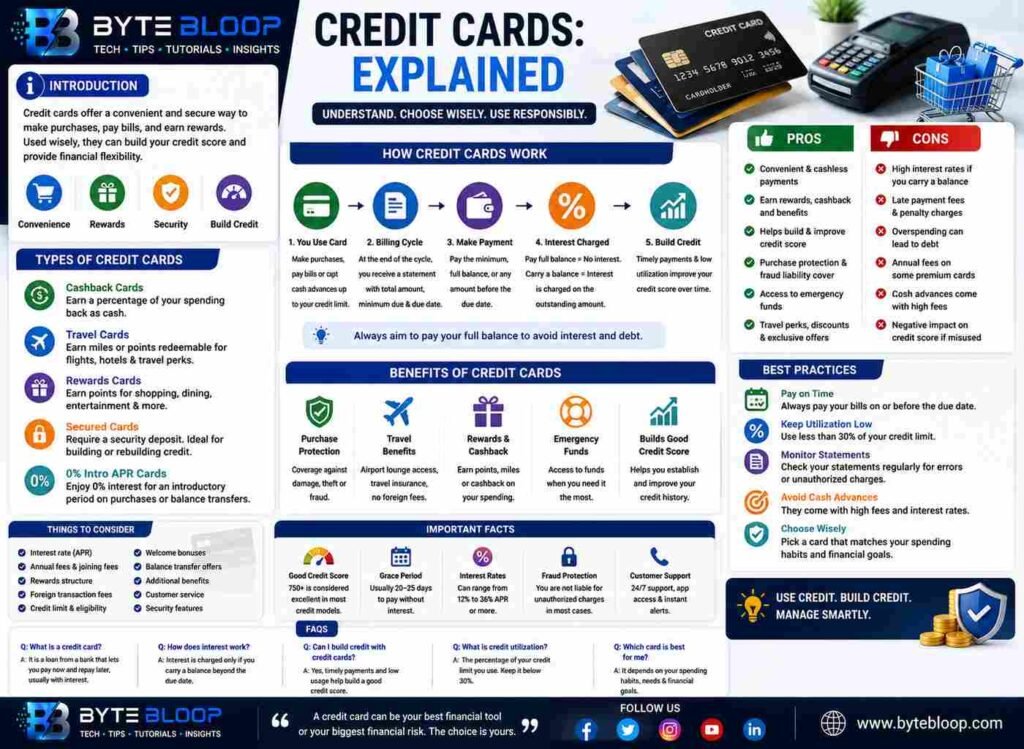
Credit cards work on a simple principle: the cardholder is given a credit limit, which is the maximum amount they can charge on the card. The cardholder can then use the card to make purchases, pay bills, or get cash advances, up to the credit limit. At the end of each billing cycle, the cardholder receives a statement showing the total amount charged, the minimum payment due, and the due date. The cardholder can then choose to pay the minimum payment, the full balance, or any amount in between. If the cardholder pays the full balance, they won’t be charged any interest. However, if they pay only the minimum payment or an amount less than the full balance, they’ll be charged interest on the outstanding amount. Credit cards also offer various benefits, such as rewards programs, purchase protection, and travel insurance, which can enhance the overall user experience.
Types of Credit Cards
There are several types of credit cards available, each designed to cater to specific needs and preferences. Cashback credit cards, for instance, provide a percentage of the purchase amount back to the cardholder, while travel credit cards offer rewards in the form of miles or points that can be redeemed for flights, hotel stays, or other travel-related expenses. Rewards credit cards offer points or miles that can be redeemed for various rewards, such as gift cards, merchandise, or travel. Secured credit cards, on the other hand, require a security deposit, which becomes the credit limit, and are often used by individuals with poor or no credit history. Additionally, there are credit cards that offer 0% introductory APR, which can be beneficial for individuals who want to make a large purchase or transfer a balance from another card.
Benefits and Drawbacks of Credit Cards
Credit cards offer numerous benefits, including convenience, rewards, and purchase protection. They can also help cardholders build a good credit score, provide access to emergency funds, and offer a convenient payment method. However, credit cards can also have drawbacks, such as high interest rates, fees, and the potential for debt. To maximize the benefits of credit cards, it’s essential for cardholders to use them responsibly, make timely payments, and keep their credit utilization ratio low. For example, cardholders can set up automatic payments to ensure they never miss a payment, and they can also take advantage of credit card rewards programs to earn cashback, points, or miles. Furthermore, credit cards can provide cardholders with a sense of financial security, as they can be used to cover unexpected expenses or emergencies.
In conclusion, credit cards can be a valuable tool for individuals who use them responsibly and understand their benefits and drawbacks. By choosing the right credit card, using it wisely, and making timely payments, cardholders can maximize the benefits of credit cards and minimize their drawbacks. It’s also essential for cardholders to regularly review their credit card statements, monitor their credit score, and adjust their credit card usage as needed. Moreover, credit cards can provide cardholders with a range of benefits, including travel insurance, purchase protection, and concierge services, which can enhance their overall experience. Overall, credit cards can be a useful financial tool, but it’s crucial for cardholders to use them wisely and responsibly.
Key Takeaways
- Credit cards offer a convenient and secure way to make purchases, pay bills, and earn rewards.
- There are various types of credit cards, including cashback, travel, rewards, and secured cards.
- Credit cards can help build a good credit score, provide access to emergency funds, and offer a convenient payment method.
- To maximize the benefits of credit cards, it’s essential to use them responsibly, make timely payments, and keep the credit utilization ratio low.
- Credit cards can provide a range of benefits, including travel insurance, purchase protection, and concierge services.
Frequently Asked Questions
What is a credit card?
A credit card is a loan that allows the cardholder to borrow money from the issuer to pay for goods and services, with the understanding that the borrowed amount will be repaid, usually with interest.
What are the different types of credit cards?
There are several types of credit cards, including cashback, travel, rewards, and secured cards, each designed to cater to specific needs and preferences.
What are the benefits of using a credit card?
Credit cards offer numerous benefits, including convenience, rewards, and purchase protection, and can help cardholders build a good credit score, provide access to emergency funds, and offer a convenient payment method.
What are the drawbacks of using a credit card?
Credit cards can have drawbacks, such as high interest rates, fees, and the potential for debt, if not used responsibly.
How can I maximize the benefits of using a credit card?
To maximize the benefits of credit cards, it’s essential to use them responsibly, make timely payments, and keep the credit utilization ratio low.
What should I consider when choosing a credit card?
When choosing a credit card, consider factors such as the interest rate, fees, rewards program, and credit limit, to ensure you find the best card for your needs and preferences.
Conclusion
Based on the available information and industry analysis, credit cards can be a valuable tool for individuals who use them responsibly and understand their benefits and drawbacks, offering a convenient and secure way to make purchases, pay bills, and earn rewards.
Related Reading
- How to Build a Good Credit Score
- The Benefits of Using a Cashback Credit Card
This article is for informational and educational purposes only and should not be considered financial, investment, or trading advice.
This article is for informational and educational purposes only and should not be considered financial, investment, or trading advice.
