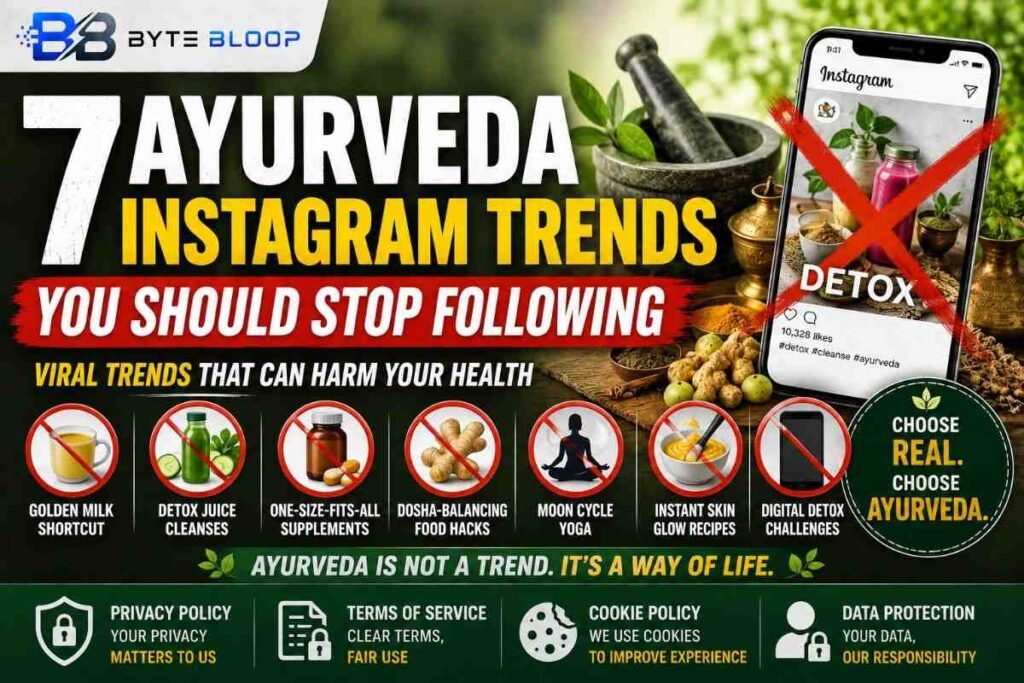
7 Ayurveda Instagram Trends You Should Stop Following
Introduction
Social media platforms, especially Instagram, have turned wellness into a visual spectacle. From sunrise yoga poses to glittering detox drinks, the feed is flooded with “Ayurvedic” advice that promises quick fixes. Yet a seasoned Ayurveda practitioner warns that many of these viral trends are not only inaccurate—they can be downright dangerous. In this article we break down the seven most pervasive Instagram‑driven wellness fads, explain why they clash with authentic Ayurvedic principles, and offer evidence‑based alternatives.
Understanding the gap between traditional Ayurvedic wisdom and modern digital hype is essential for anyone seeking genuine health benefits. By the end of this piece, readers will be equipped to spot misinformation, protect their bodies, and embrace practices that truly honor the balance of mind, body, and spirit.
Background & Historical Context
Ayurveda, the ancient Indian system of health, dates back over 5,000 years and is rooted in a holistic view of the human organism. It emphasizes the harmony of the three doshas—Vata, Pitta, and Kapha—through diet, lifestyle, herbal formulas, and daily routines (dinacharya). Historically, knowledge was transmitted orally by gurus and later codified in texts such as the Charaka Samhita and Sushruta Samhita.
The rise of Instagram in the 2010s created a new marketplace for wellness influencers who often cherry‑pick snippets of Ayurvedic lore, strip them of context, and repackage them as trendy shortcuts. While this democratization of information can be positive, it also fuels the spread of half‑truths, commercialized “detox” kits, and unverified health claims that clash with the nuanced, individualized approach Ayurveda demands.
Key Details & Impact Analysis
1. The “Golden Milk” Shortcut – Influencers promote a pre‑made, instant powder that claims to balance doshas in a single scoop. In reality, authentic golden milk requires fresh turmeric, black pepper, and a suitable milk base tailored to one’s constitution. The commercial powders often contain added sugars, artificial flavors, and synthetic curcumin that diminish therapeutic potency and may trigger allergies.
2. “Detox” Juice Cleanses – Instagram reels showcase 3‑day juice fasts promising to “reset” the body. Ayurveda teaches gentle, dosha‑specific cleansing (panchakarma) that involves herbal preparations, oil massages, and guided diet, not the extreme caloric restriction that can destabilize Vata, cause hypoglycemia, and weaken digestive fire (agni). Long‑term reliance on juice cleanses can lead to nutrient deficiencies and metabolic slowdown.
3. One‑Size‑Fits‑All Herbal Supplements – Brands market capsules labeled “Ayurvedic stress relief” or “immune boost” without dosage guidance. Classical Ayurveda prescribes herbs based on individual prakriti and current imbalances. Blind consumption can aggravate existing conditions, interact with prescription drugs, or cause toxicity—especially with herbs like ashwagandha in high doses.
4. “Dosha‑Balancing” Food Hacks – Trending posts suggest that adding a pinch of ginger to any meal will pacify Pitta, or that a handful of almonds will calm Vata. While spices have therapeutic roles, their effect is dose‑dependent and must be balanced with other dietary components. Overuse can lead to digestive irritation, heartburn, or even exacerbate the very dosha it aims to soothe.
5. “Moon Cycle” Yoga Sequences – Influencers align specific yoga poses with lunar phases, claiming they will harmonize doshas. Traditional Ayurveda recognizes the moon’s influence on water‑type (Kapha) qualities but does not prescribe rigid pose‑to‑phase regimens. Misaligned practices may strain joints, especially for beginners, and distract from the deeper breath‑mind connection central to both yoga and Ayurveda.
6. “Instant” Skin Glow Recipes – Viral videos feature turmeric‑honey masks applied for five minutes before a selfie. Real Ayurvedic skin care (siddha‑cosmetics) emphasizes consistent internal balance, oil massage (abhyanga), and seasonal adjustments. Short‑term topical applications can cause staining, allergic reactions, or mask underlying skin disorders.
7. “Digital Detox” Challenges – A 24‑hour Instagram ban is marketed as a cure for digital overload. While reducing screen time is beneficial, Ayurveda recommends a structured daily routine (dinacharya) that includes sunrise meditation, mindful meals, and proper sleep hygiene—not a one‑day “challenge” that may cause anxiety or social isolation for those heavily reliant on online support networks.
Collectively, these trends illustrate a pattern: the desire for quick, visually appealing solutions supersedes the individualized, gradual approach Ayurveda champions. The impact is measurable—rising cases of digestive upset, allergic reactions, and misdiagnosed conditions linked to unsupervised supplement use. Health professionals urge consumers to verify sources, consult qualified Ayurvedic practitioners, and prioritize evidence‑based practices.
Frequently Asked Questions (FAQs)
Is it safe to buy pre‑made “golden milk” powders from Instagram sellers?
Not always. Many commercial powders contain added sugars, artificial flavors, and low‑bioavailability curcumin. For genuine benefits, use fresh turmeric, a pinch of black pepper, and a milk that suits your dosha. If you must buy a product, check for third‑party testing and avoid excessive sweeteners.
Can I replace a professional Ayurvedic consultation with an online “dosha quiz”?
Online quizzes provide a rough estimate but lack the depth of a personalized assessment. A qualified practitioner evaluates pulse, tongue, stool, lifestyle, and medical history to determine your unique prakriti and current imbalances. Relying solely on a quiz can lead to inappropriate self‑treatment.
Do juice cleanses have any place in Ayurvedic practice?
Traditional Ayurvedic cleansing (panchakarma) is a structured, supervised process that includes herbal enemas, oil massages, and specific dietary phases. Short‑term juice fasts are not part of authentic Ayurveda and can destabilize Vata, lower blood sugar, and weaken agni. If you seek detoxification, consult a practitioner for a safe, dosha‑aligned protocol.
Conclusion
The allure of Instagram’s glossy wellness feed is undeniable, but when it comes to Ayurveda, authenticity matters more than aesthetics. By recognizing the seven viral trends that misrepresent ancient wisdom, readers can avoid potential health pitfalls and return to practices that honor the body’s innate balance. Seek guidance from trained Ayurvedic experts, prioritize whole‑food ingredients, and remember that true wellness is a lifelong, personalized journey—not a fleeting hashtag.
Source: Times Now
