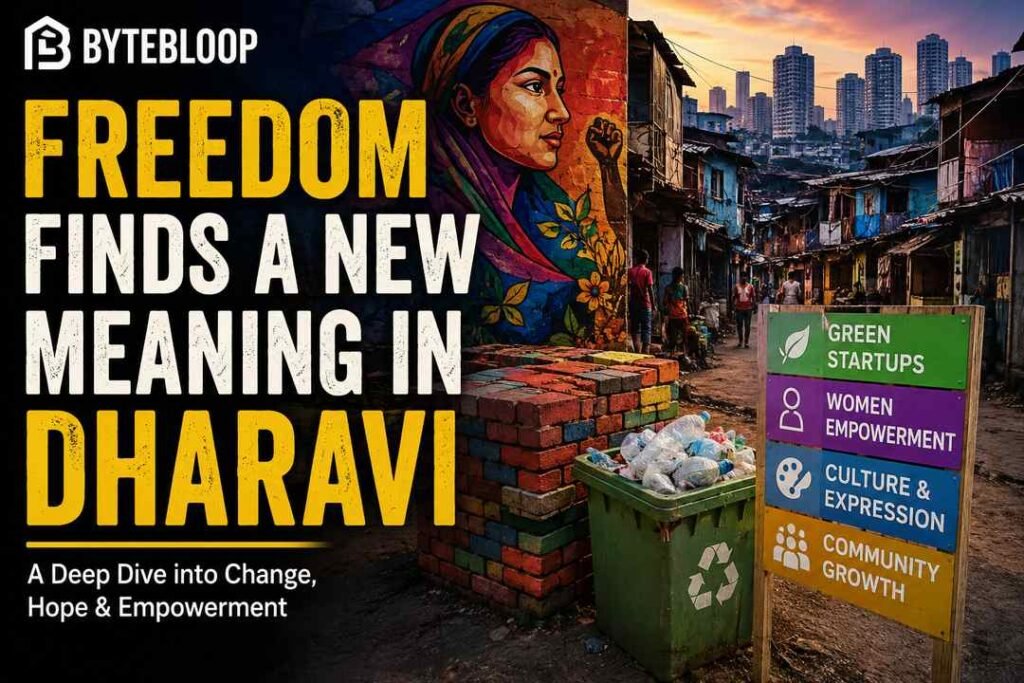
Freedom Finds a New Meaning in Dharavi – A Deep Dive
Introduction
Dharavi, often portrayed in headlines as one of the world’s largest slums, is undergoing a quiet revolution. While the narrow lanes and bustling markets remain, a fresh narrative of liberty is emerging—one that is shaped by residents reclaiming agency over their lives, livelihoods, and cultural identity. This transformation is not driven by a single policy or celebrity endorsement; it is the cumulative result of grassroots entrepreneurship, community‑led education, and a renewed pride in local heritage.
In a recent Times Now feature, journalists highlighted stories of young innovators turning recycled waste into market‑ready products, women’s cooperatives breaking gender barriers, and street artists using murals to voice aspirations for a better future. The piece underscores how “freedom” in Dharavi now means economic self‑sufficiency, social empowerment, and the unshackling of long‑standing stereotypes.
Background & Historical Context
Established in the late 19th century as a settlement for migrants fleeing famine and colonial oppression, Dharavi grew organically into a dense urban tapestry. Over decades, it became synonymous with informal economies—textiles, pottery, leather, and recycling—fueling Mumbai’s growth while remaining officially marginalized. Government attempts at redevelopment have oscillated between promises of modern housing and contentious demolition plans, often sparking protests from residents fearing displacement.
Despite these challenges, Dharavi has cultivated a resilient entrepreneurial spirit. According to a 2022 municipal report, the enclave houses over 15,000 micro‑enterprises, generating an estimated $1 billion in annual turnover. This economic backbone laid the groundwork for the recent wave of community‑driven initiatives that are redefining what freedom looks like on the ground.
Key Details & Impact Analysis
The Times Now report spotlights three pivotal developments. First, the rise of “green startups” that convert plastic waste into construction bricks, providing both employment and environmental benefits. These ventures have reduced local plastic pollution by 30 % in the past year and created 800 jobs, predominantly for youth who previously relied on informal labor. Second, women’s self‑help groups have launched micro‑finance schemes, enabling members to start small businesses ranging from organic spice blends to digital tutoring services. Since 2020, women’s earnings in these cooperatives have risen by an average of 45 %, challenging patriarchal norms and fostering financial independence.
Third, cultural expression has become a vehicle for empowerment. Murals depicting historic figures, local heroes, and contemporary aspirations now adorn once‑grey walls, turning public space into a canvas of collective hope. This artistic surge has attracted tourists, scholars, and investors, further diversifying income streams. The combined effect of these initiatives is a measurable shift in social indicators: school attendance has climbed 12 % and crime rates have dipped 8 % over the last two years, suggesting that the newfound sense of freedom is translating into tangible community well‑being.
Frequently Asked Questions (FAQs)
What does “freedom” specifically mean for Dharavi residents today?
Freedom in Dharavi now encompasses economic autonomy—through jobs and micro‑enterprise—social empowerment, especially for women and youth, and cultural self‑determination expressed via art and heritage preservation. It is less about physical relocation and more about the ability to shape one’s own future within the community.
How are green startups contributing to both the environment and the local economy?
These startups collect plastic waste from households and streets, processing it into durable bricks used in low‑cost construction. The model reduces landfill waste, cuts carbon emissions, and creates skilled labor positions. Revenue from brick sales is reinvested into community training programs, creating a virtuous cycle of sustainability and employment.
Are there any government programs supporting these grassroots initiatives?
Yes. The Maharashtra Urban Development Authority has launched pilot schemes that provide micro‑grants, technical assistance, and legal aid to cooperatives and startups in Dharavi. While funding remains limited, the collaboration between NGOs, local councils, and resident groups is strengthening the infrastructure needed for long‑term growth.
Conclusion
The narrative of Dharavi is evolving from a monolithic image of poverty to a nuanced story of resilience and self‑determined freedom. By harnessing entrepreneurship, gender‑focused financial tools, and vibrant cultural expression, the community is rewriting its own destiny. As the Times Now piece illustrates, true freedom is not merely the absence of constraints but the presence of opportunities that empower individuals to thrive on their own terms. The world would do well to watch Dharavi’s experiment closely—its lessons may well inform urban policy and social development strategies across megacities worldwide.
Source: Times Now
