Brand Building: Key Strategies
Introduction
Brand Building Key Strategies is a topic worth understanding well. Building a brand is more than a logo or a catchy tagline; it’s a strategic investment in the promise you make to customers, employees, and investors. In 2026, the competitive landscape demands that brands differentiate themselves through purpose, authenticity, and consistent storytelling across digital and physical touchpoints. Companies that master brand building can command premium pricing, foster loyalty, and create a resilient moat against market volatility.
The process involves a blend of market research, creative positioning, and measurable performance tracking, all aligned with long‑term business objectives. Successful brands weave their narrative into every customer interaction, turning first‑time buyers into advocates. This guide distills the most effective brand building key strategies, backed by industry research and actionable steps you can start applying today.
1. Define a Purpose‑Driven Brand Foundation
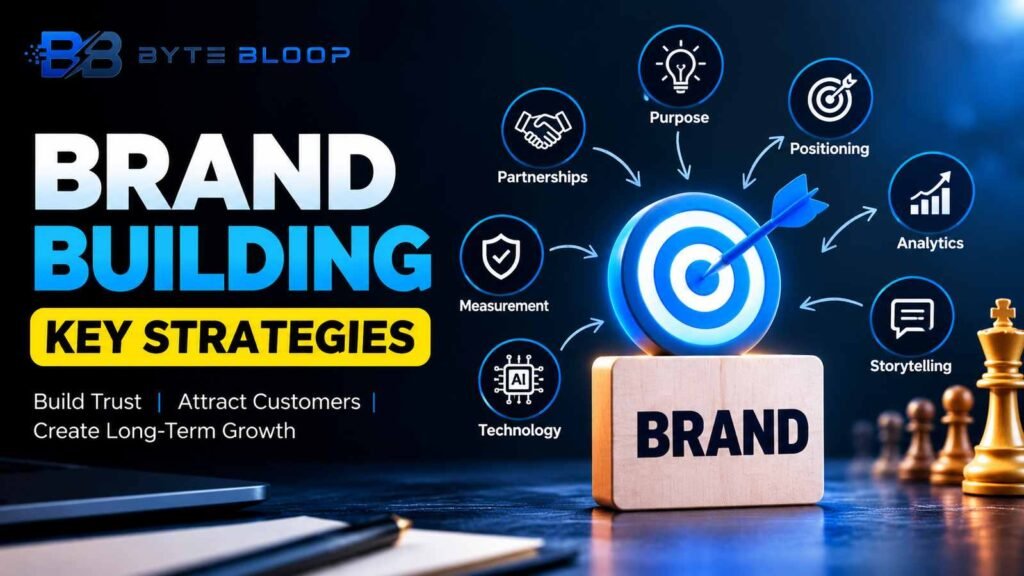
According to Branding 101: How to Define Your Brand Strategy & Win in 2026, the first layer of a brand strategy stack is the foundation—your purpose, values, and promise. A clear purpose anchors every marketing decision and resonates with stakeholders who share your mission. Start with a concise purpose statement that answers “why we exist” and “how we create value.” This statement should guide product development, customer service, and internal culture.
2. Craft a Distinct Positioning Statement
Positioning is the lens through which your audience sees you. Branding 101 recommends crafting a positioning statement that highlights your unique value proposition and the specific segment you serve. Use competitive analysis to identify gaps and articulate why customers should choose you over alternatives. A well‑defined positioning statement becomes the north star for all creative assets and messaging.
This matters directly for anyone exploring brand building key strategies.
3. Leverage Data‑Driven Market Analysis
In the Business Strategy for New Business: The Essential 2026 guide, actionable steps for market analysis emphasize the importance of customer segmentation and trend forecasting. Deploy analytics tools to track consumer behavior, sentiment, and emerging needs. This data informs product roadmaps and targeted campaigns, ensuring your brand remains relevant and adaptive.
Getting brand building key strategies right can make a real difference.
4. Build Authentic Storytelling Across Channels
Storytelling transforms abstract values into relatable experiences. Brand Marketing in 2026 stresses the power of branded content to build authority and trust. Create a content calendar that aligns with your brand pillars, and use multimedia storytelling—videos, podcasts, interactive infographics—to engage diverse audiences. Consistency across social media, website, and offline experiences reinforces brand recall.
That is a core part of understanding brand building key strategies.
5. Foster Strategic Partnerships and Alliances
Partnerships can amplify reach and credibility. Powerful Business Development Strategy Moves for 2026 highlights entering new markets and forming alliances as key growth levers. Choose partners whose values align with yours and whose audiences complement yours. Co‑created campaigns or bundled offerings can expand your brand’s ecosystem while sharing marketing costs.
Many readers look into brand building key strategies for exactly this reason.
6. Invest in Continuous Brand Health Measurement
Brand equity is dynamic; it requires regular monitoring. Use brand health metrics such as brand awareness, perceived quality, and loyalty indices. Essential Strategies for an Effective Marketing Plan 2026 outlines a framework for tracking performance against objectives. Adjust tactics based on insights, ensuring that brand building efforts translate into measurable business outcomes.
It is worth revisiting brand building key strategies as things develop.
7. Embrace Digital Transformation and Emerging Technologies
2026’s digital landscape offers new avenues for brand engagement. Strategic Brand Building in 2026 discusses the integration of AI, AR, and immersive experiences into brand strategies. Experiment with chatbots for personalized customer journeys, or AR try‑on features for product demos. These technologies can differentiate your brand and create memorable interactions.
Key Takeaways
- Purpose‑driven foundations anchor brand decisions
- Clear positioning differentiates in crowded markets
- Data‑driven insights keep brand relevant
- Consistent storytelling builds trust
- Strategic partnerships expand reach
- Ongoing measurement ensures ROI
Frequently Asked Questions
What is brand building key strategies?
Brand building key strategies are actionable plans that align a company’s purpose, positioning, and storytelling to create a distinct, trusted identity in the marketplace.
What are the essential elements of a brand strategy?
Core elements include purpose definition, positioning statement, market analysis, storytelling, partnerships, measurement, and digital integration.
How can small businesses apply these strategies?
Start with a clear purpose, conduct basic customer segmentation, create consistent content, and use affordable digital tools like social media and email marketing to build visibility.
What are the pros and cons of partnering for brand building?
Pros: expanded audience, shared resources, credibility boost. Cons: potential brand dilution, misaligned values, and partnership management overhead.
Conclusion
Based on the available information and industry analysis, brand building in 2026 is a multi‑layered discipline that blends purpose, positioning, data, storytelling, partnerships, measurement, and technology. Companies that systematically integrate these elements can create resilient identities that resonate with evolving consumer expectations and drive sustainable growth.
Related Reading
- Digital Transformation for Brand Growth
Sources & References
- Business Strategy for New Business: The Essential 2026 …
- Essential Strategies for an Effective Marketing Plan 2026
- How to Build a Brand from Scratch in 2026
- Powerful Business Development Strategy Moves for 2026
- Branding 101: How to Define Your Brand Strategy & Win in 2026
- Brand Marketing in 2026: How to Stay Ahead in a Rapidly …
- How Top Brand Strategy Companies Build …
- Strategic Brand Building in 2026: A Comprehensive Guide
Related Articles