Retail Technology: Explained
Introduction
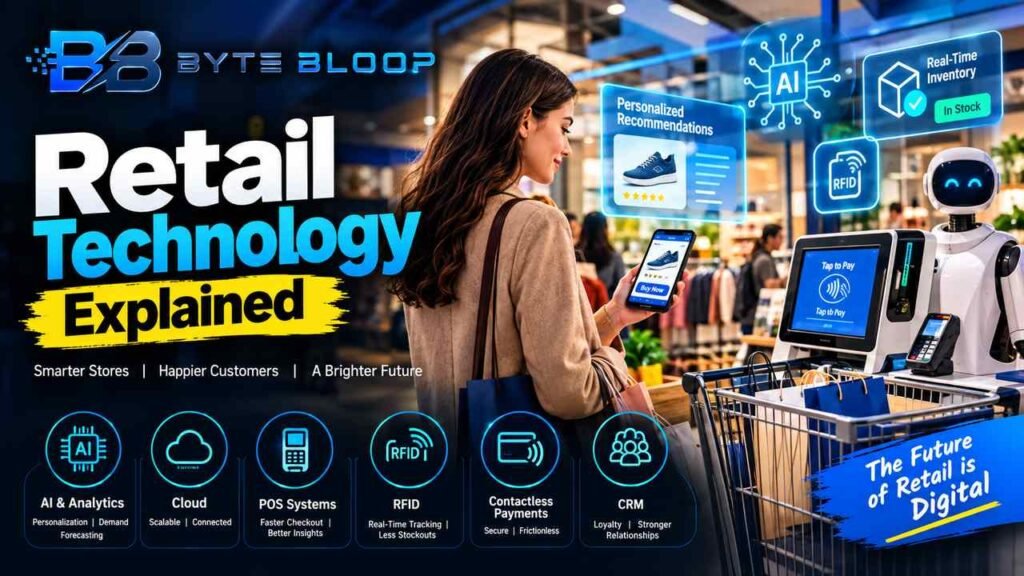
Retail Technology Explained is a topic worth understanding well. Retail technology is no longer an afterthought; it is the engine that powers every customer interaction, from the first click to the last scan at the register. In 2026, retailers are blending artificial intelligence, computer vision, and cloud‑based inventory systems to deliver seamless, data‑driven experiences that blur the line between online and offline. These tools enable real‑time personalization, predictive stock management, and frictionless checkout, turning brick‑and‑mortar stores into dynamic, omnichannel hubs.
At its core, retail technology encompasses a spectrum of solutions: point‑of‑sale (POS) platforms, customer relationship management (CRM) systems, AI‑powered analytics, RFID tags, and contactless payment methods. Each component works together to gather, interpret, and act on vast amounts of shopper data, allowing brands to anticipate demand, reduce waste, and increase loyalty. As retailers face rising competition and shifting consumer expectations, mastering these technologies is essential for staying relevant and profitable.
Key Retail Technology Pillars in 2026
According to Retail Technology Solutions: The 2026 Guide for Physical Stores, the most transformative tools are clienteling CRM, AI‑driven commerce engines, and contactless checkout systems. These solutions empower staff to offer tailored recommendations and enable customers to skip lines entirely.
This matters directly for anyone exploring retail technology explained.
AI and machine learning are at the heart of inventory forecasting. Key retail technology trends to watch in 2026 notes that RFID and real‑time data feeds allow retailers to monitor stock levels across all channels, reducing out‑of‑stock incidents by up to 30 percent.
Getting retail technology explained right can make a real difference.
Unified Commerce: The New Standard
Unified commerce integrates e‑commerce, in‑store, and mobile channels into a single, coherent platform. Is Your Retail Chain Ready for Unified Commerce? highlights that 2026 success hinges on how well these channels synchronize, rather than the sheer number of touchpoints. Retailers that achieve seamless data flow can offer click‑and‑collect, real‑time price matching, and consistent loyalty rewards across all venues.
That is a core part of understanding retail technology explained.
AI‑Powered Personalization
Personalization has moved from a nice‑to‑have to a must‑have. Insights for Digital Transformation in Retail reports that 91 percent of retail IT leaders prioritize AI, using it to analyze purchase history, browsing behavior, and social signals to deliver hyper‑personalized recommendations both online and in‑store.
Many readers look into retail technology explained for exactly this reason.
Computer Vision and Contactless Checkout
Computer vision enables automated product recognition and loss prevention. Meanwhile, contactless payment methods—such as NFC tags and QR codes—reduce friction and improve safety. Together, they create a checkout experience that can be completed in seconds, even during peak hours.
It is worth revisiting retail technology explained as things develop.
Benefits for Retailers
- Improved inventory accuracy and reduced stockouts
- Higher conversion rates through real‑time personalization
- Enhanced customer loyalty via unified rewards programs
- Lower operational costs through automation and AI insights
Challenges to Overcome
- High upfront investment in AI and IoT infrastructure
- Data privacy concerns and regulatory compliance
- Need for skilled staff to interpret analytics and manage systems
Key Takeaways
- AI and RFID drive real‑time inventory control
- Unified commerce unifies online and offline channels
- Contactless checkout speeds up customer flow
- Personalization boosts conversion and loyalty
Frequently Asked Questions
What is retail technology explained?
Retail technology refers to the digital tools and systems—such as AI, RFID, and unified commerce platforms—that enable retailers to manage inventory, personalize customer experiences, and streamline operations across all sales channels.
Retail Technology Explained remains highly relevant here.
What are the key features of modern retail tech?
Key features include AI‑driven analytics, real‑time inventory visibility, contactless payment methods, computer vision for product recognition, and unified commerce that synchronizes online and in‑store data.
What are the best use cases for AI in retail?
AI excels in demand forecasting, personalized product recommendations, dynamic pricing, and predictive maintenance of point‑of‑sale hardware.
What are the pros and cons of implementing unified commerce?
Pros: consistent customer experience, streamlined data, and cross‑channel inventory management. Cons: significant integration costs, potential data security risks, and the need for organizational change management.
Conclusion
Based on the available information and industry analysis, retail technology in 2026 provides a competitive edge by unifying data, automating inventory, and delivering personalized experiences. As AI adoption rises, retailers who invest in integrated platforms and real‑time analytics will likely see higher conversion rates, reduced stockouts, and stronger customer loyalty, positioning them for sustainable growth in an increasingly digital marketplace.
Related Reading
- AI in Retail: From Trend to Necessity
Sources & References
- Retail Technology Solutions: The 2026 Guide for Physical Stores
- Key retail technology trends to watch in 2026
- Insights for Digital Transformation in Retail
Related Articles