Software Licensing: Explained
Introduction (Software Licensing Explained)
Software Licensing Explained is a topic worth understanding well. Software licensing is the legal framework that defines how a program can be used, distributed, and monetized. In a world where applications range from single‑user desktop tools to enterprise‑wide cloud services, understanding licensing is essential for both developers and end‑users. The core purpose of a license is to protect intellectual property while granting customers the right to use the software under specific conditions. Licensing decisions affect cost, compliance, and even the product’s market reach.
This guide breaks down the most common licensing models, explains their practical implications, and offers tips for effective license management. By the end, you’ll know how to choose the right license for a project, what to watch for in contracts, and how to keep your organization compliant. Whether you’re a small startup or a large corporation, the principles here apply across the tech spectrum.
What Is a Software License?
A software license is a legal instrument that governs the use, modification, and distribution of software. According to the Wikipedia entry on software licenses, it is a contract between the licensor and the licensee that sets out the rights and restrictions associated with the software. The license can be as simple as a single user agreement or as complex as a multi‑tiered subscription model.
Key Licensing Models
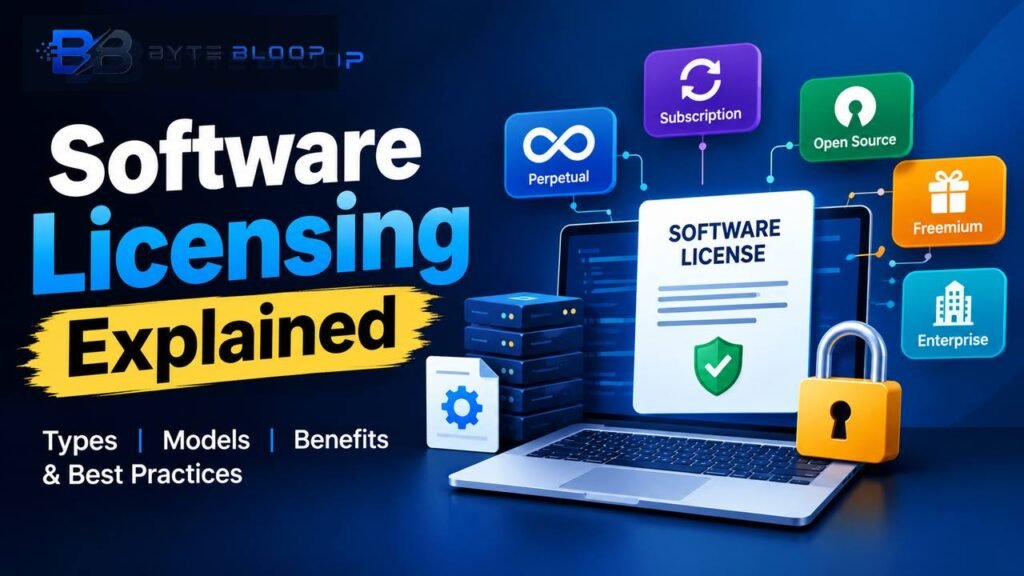
There are several standard licensing models that businesses and developers use to monetize or distribute software. The most common include:
This matters directly for anyone exploring software licensing explained.
- Perpetual License – One‑time purchase that allows indefinite use. Often accompanied by optional maintenance contracts.
- Subscription (SaaS) – Pay‑as‑you‑go model where users pay a recurring fee. This model is prevalent for cloud‑based applications.
- Open‑Source – Freely available code under licenses such as MIT, GPL, or Apache. Open‑source licenses may impose conditions on redistribution or derivative works.
- Freemium – Basic features are free, premium features require payment. Common in mobile apps and web services.
- Enterprise/Volume Licensing – Bulk agreements that provide discounts for large deployments, often with centralized management.
According to the Revenera guide on software monetization, the choice of model directly impacts revenue streams, customer acquisition, and support costs.
Getting software licensing explained right can make a real difference.
Choosing the Right License for Your Project
When selecting a license, consider the following factors:
That is a core part of understanding software licensing explained.
- Intended Distribution – Will the software be sold, shared, or offered for free?
- Target Audience – Individual developers, small businesses, or large enterprises?
- Compliance Needs – Some industries require strict audit trails and usage tracking.
- Future Monetization – Open‑source projects can monetize through support, consulting, or dual licensing.
The LicenseSpring blog provides a detailed matrix for comparing open‑source versus commercial licenses, helping teams align legal strategy with business goals.
Many readers look into software licensing explained for exactly this reason.
Managing Licenses in Practice
License management is more than just purchasing software. It involves tracking usage, ensuring compliance, and optimizing spend. The Virima guide emphasizes that effective license management reduces the risk of costly penalties and frees up budget for innovation. Best practices include:
It is worth revisiting software licensing explained as things develop.
- Inventory Audits – Regularly scan systems for installed software and verify license counts.
- Automated Tracking – Use tools that integrate with your procurement and IT asset management systems.
- Policy Enforcement – Define clear rules for who can install software and under what conditions.
The BetterCloud article on 2026 license management highlights that aligning entitlements with actual usage can unlock significant savings, especially for SaaS subscriptions that may be over‑provisioned.
Software Licensing Explained remains highly relevant here.
Practical Examples
1. Perpetual vs. Subscription: A design firm buys a perpetual license for a vector graphics editor. Over time, the software becomes outdated, and the firm must purchase a new version or migrate to a subscription that offers continuous updates.
This is a key consideration when it comes to software licensing explained.
2. Open‑Source Adoption: A fintech startup chooses the MIT license for its core library to encourage community contributions while protecting its proprietary API. The company later offers enterprise support as a revenue stream.
This matters directly for anyone exploring software licensing explained.
3. Enterprise Volume Licensing: A multinational corporation negotiates a volume license for a productivity suite, securing a 30% discount and centralized management via a license server.
Getting software licensing explained right can make a real difference.
Pros and Cons of Common Models
Perpetual licenses offer upfront control but can lock users into outdated software. Subscriptions provide flexibility and continuous revenue but may lead to higher lifetime costs. Open‑source licenses foster innovation but require careful compliance with copyleft clauses. Freemium models attract users but rely on conversion to paid tiers for profitability. Enterprise licenses reduce costs per seat but require robust governance to avoid misuse.
Flexera’s comprehensive guide notes that the choice of model should align with both the company’s financial strategy and its end‑user experience goals.
Key Takeaways
- Licensing defines legal use and distribution rights for software
- Perpetual, subscription, open‑source, freemium, and enterprise are the main models
- Choosing a license requires aligning business goals with compliance needs
- Effective license management reduces costs and mitigates audit risk
- Open‑source licenses can drive community growth but demand careful oversight
Frequently Asked Questions
What is a software license?
A software license is a legal contract that specifies how a program can be used, modified, and distributed.
What are the main software licensing models?
The primary models are perpetual, subscription (SaaS), open‑source, freemium, and enterprise/volume licensing.
When should a company choose a subscription model?
If the organization values continuous updates, flexible scaling, and predictable recurring revenue, a subscription model is often appropriate.
What are the risks of poor license management?
Inadequate license tracking can lead to non‑compliance penalties, wasted spend, and security vulnerabilities.
Conclusion
Based on the available information and industry analysis, software licensing provides a structured framework that balances intellectual property protection with user flexibility. By selecting the appropriate model and implementing disciplined license management, organizations can reduce risk, optimize spend, and foster innovation across their software ecosystems.
Related Reading
- Top 5 SaaS Licensing Strategies for 2026
Sources & References
- Software Licensing Models & Types: Your Complete Guide
- Absolute Guide to Software Licensing Types
- Types of Software Licenses: A Guide to Choosing the Right …
- Software Licensing: Complete Guide
- Software License Management: A Strategy Guide
- Software license management: 2026 Guide to cut SaaS …
Related Articles