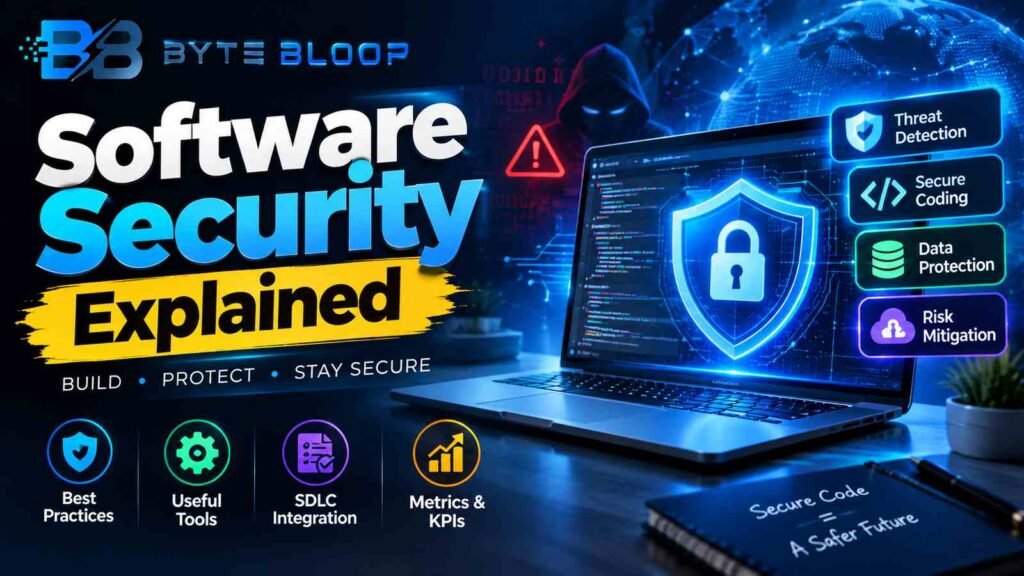
Software Security: Explained
Introduction
Software Security Explained is a topic worth understanding well. Software security is the discipline of designing, building, and maintaining applications that resist malicious exploitation and unintended failures. In today’s hyper‑connected economy, every line of code can become a potential attack vector, from a single SQL injection to a zero‑day vulnerability that compromises millions of users. Companies that neglect security pay the price in lost revenue, reputational damage, and regulatory fines. Conversely, a robust security posture can differentiate a brand, build customer trust, and reduce long‑term maintenance costs.
At its core, software security integrates defensive techniques into every phase of the software development lifecycle (SDLC). It is not a one‑off patch but an ongoing process that combines secure coding standards, automated testing, continuous monitoring, and incident response. By adopting a holistic approach, organizations can shift from reactive firefighting to proactive risk mitigation.
What Is Software Security?
According to the Thales Group, software security involves embedding mechanisms during construction to keep systems functional and resistant to attacks. This definition highlights two pillars: resilience—keeping the system running under attack—and integrity—ensuring data remains untampered. The Computer.org resource adds that secure software practices protect against both malicious and accidental threats, covering everything from input validation to secure deployment.
Key Risks in Modern Software
Security debt is climbing, with a recent report noting an 11% increase in 2026. This debt accumulates when teams prioritize speed over safety, leaving code gaps that attackers can exploit. Common risks include:
This matters directly for anyone exploring software security explained.
- Injection flaws (SQL, command, and code injection)
- Broken authentication and session management
- Insecure data storage and transmission
- Insufficient logging and monitoring
These vulnerabilities can lead to data breaches, service outages, and compliance violations.
Best Practices for Secure Development
Radware’s 2026 best‑practice guide recommends weaving security into the SDLC. Key actions include:
Getting software security explained right can make a real difference.
- Adopting secure coding standards such as OWASP Top 10
- Implementing static (SAST) and dynamic (DAST) analysis early
- Conducting threat modeling during design reviews
- Automating security tests in CI/CD pipelines
- Maintaining an up‑to‑date inventory of third‑party libraries
Regular code reviews and penetration testing further tighten defenses, while a formal incident response plan ensures swift containment when breaches occur.
Tools That Empower Secure Software
2026’s cybersecurity landscape offers a suite of tools that help teams detect, remediate, and monitor threats:
That is a core part of understanding software security explained.
- Static Application Security Testing (SAST) – scans source code for vulnerabilities before deployment.
- Dynamic Application Security Testing (DAST) – examines running applications for runtime flaws.
- Software Composition Analysis (SCA) – identifies vulnerable open‑source components.
- Runtime Protection (EDR/IR) – detects anomalous behavior on production systems.
According to the ECCU guide, top tools in 2026 include SIEM platforms for log aggregation, cloud security posture management (CSPM) for multi‑cloud setups, and threat intelligence feeds that provide real‑time attack data.
When to Apply Security Measures
Security is most effective when applied early:
Many readers look into software security explained for exactly this reason.
- Planning – define threat models and compliance requirements.
- Design – choose secure architecture patterns.
- Implementation – enforce coding standards and automated scans.
- Testing – perform unit, integration, and security testing.
- Deployment – use hardened containers and secure configurations.
- Operations – monitor, patch, and respond to incidents.
Neglecting any stage increases the likelihood of costly remediation later.
Measuring Success: Metrics and KPIs
Quantifiable indicators help teams gauge progress:
It is worth revisiting software security explained as things develop.
- Vulnerability density per thousand lines of code (KLOC)
- Mean time to detect (MTTD) and mean time to remediate (MTTR)
- Percentage of code covered by automated tests
- Compliance audit scores
Tracking these metrics reveals trends, informs resource allocation, and demonstrates ROI to stakeholders.
Key Takeaways
- Software security is a continuous, lifecycle‑based discipline, not a one‑time fix.
- Early integration of SAST, DAST, and SCA tools dramatically reduces post‑deployment risk.
- Security debt rises when speed trumps safety—regular audits and metrics help manage it.
- Modern tools—from CI/CD security plugins to cloud posture managers—enable automated defense at scale.
- Compliance and customer trust are direct benefits of a disciplined security program.
Frequently Asked Questions
What is software security explained?
Software security refers to the practices, processes, and tools used to design, build, and maintain applications that resist malicious attacks and unintended failures.
Software Security Explained remains highly relevant here.
What are the key features of secure development practices?
Key features include secure coding standards, automated static and dynamic analysis, threat modeling, continuous integration of security tests, and incident response planning.
What are the best use cases for security tools in 2026?
They are best used during code review, CI/CD pipelines, runtime monitoring, and compliance audits to detect and remediate vulnerabilities early.
This is a key consideration when it comes to software security explained.
What are the pros and cons of adopting a security‑first approach?
Pros: reduced breach risk, lower long‑term costs, compliance alignment, and stronger customer trust. Cons: initial investment in tooling and training, potential slower release cycles if not managed efficiently.
Conclusion
Based on the available information and industry analysis, software security provides a structured framework that protects applications from evolving threats, mitigates financial and reputational damage, and ensures compliance with regulatory standards, making it a critical investment for any organization that delivers digital products.
Related Reading
- Top 15 Security Tools for 2026
Sources & References
- Software Security Explained | Practical Guide for Companies
- What is Software Security and Why is it so Important Now?
- Application Security: A Complete Guide to Risks & Best …
- 2026 State of Software Security: Risky Debt is Rising, But …
- Top Cybersecurity Tools to Use in 2026 (Complete Guide)
- 9 Best Application Security Tools for 2026
- What is software security and why is it important?
- Top 21 Application Security Best Practices in 2026
Related Articles