Software Integration: Explained
Introduction
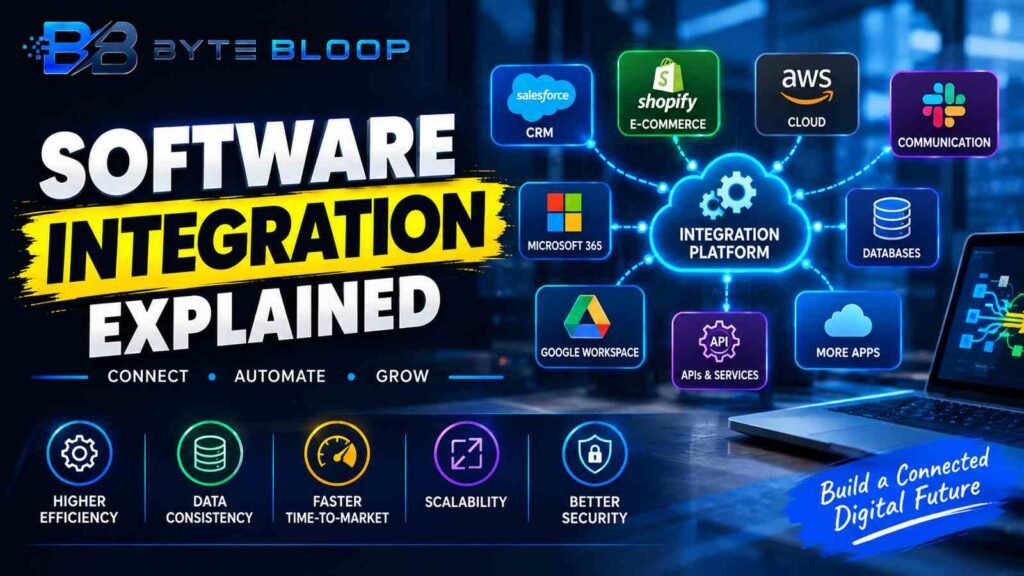
Software Integration Explained is a topic worth understanding well. Software integration is the glue that binds disparate digital tools into a seamless ecosystem. In today’s data‑heavy world, businesses cannot afford to silo information; they need real‑time, automated data movement across platforms. Integration eliminates manual exports, copy‑paste errors, and the lag that hampers decision‑making. By connecting applications, databases, and services, integration turns isolated systems into a unified resource that powers analytics, customer engagement, and operational workflows. This article breaks down what software integration means, its core components, and why it matters for modern enterprises.
What Is Software Integration?
At its core, software integration is the process of linking separate software applications so they can exchange data and trigger actions automatically. According to Software Integration Examples and Key Insights, the goal is to create a continuous data flow that removes manual intervention. Integration can occur at the data layer, the application layer, or both, depending on the architecture.
Key Components of an Integration Architecture
Modern integration solutions typically revolve around three pillars: connectors, transformation engines, and an integration platform that orchestrates flows.
This matters directly for anyone exploring software integration explained.
- Connectors provide prebuilt or custom interfaces to target systems. They handle authentication, API calls, and data extraction.
- Transformation engines map, cleanse, and enrich data to match the schema of destination systems.
- Orchestration layer schedules, monitors, and manages the entire workflow, ensuring reliability and error handling.
Common Integration Patterns
While the underlying technology varies, most integrations follow familiar patterns:
Getting software integration explained right can make a real difference.
- Point‑to‑Point – a direct link between two systems. Simple but hard to scale.
- Hub‑and‑Spoke – a central integration hub that connects to multiple spokes. Offers better manageability.
- Enterprise Service Bus (ESB) – a robust middleware that routes, transforms, and manages messages across an organization.
Benefits of Software Integration
Integration delivers tangible gains:
That is a core part of understanding software integration explained.
- Operational Efficiency – automated data flows cut down on manual work and reduce human error.
- Data Consistency – a single source of truth ensures all departments see the same information.
- Faster Time‑to‑Market – new features can be rolled out across systems without extensive re‑coding.
- Scalability – as new tools are added, integration frameworks can accommodate them with minimal effort.
Challenges in 2026
According to 8 software integration challenges in 2026, organizations face hurdles such as legacy system constraints, data security concerns, and the complexity of managing multiple APIs. Effective governance, robust security policies, and a modular integration architecture help mitigate these risks.
Many readers look into software integration explained for exactly this reason.
Practical Example: E‑Commerce to ERP
Consider an online retailer that uses Shopify for sales, Salesforce for customer relationship management, and NetSuite for accounting. An integration platform can automatically push order details from Shopify to NetSuite, update customer records in Salesforce, and trigger email notifications. This eliminates duplicate data entry and ensures that inventory, financials, and customer interactions stay synchronized.
It is worth revisiting software integration explained as things develop.
Choosing the Right Integration Tool
When evaluating solutions, look for:
Software Integration Explained remains highly relevant here.
- Prebuilt connectors for your core applications.
- Low‑code or no‑code development to speed deployment.
- Scalable architecture that supports event‑driven or batch processing.
- Strong monitoring and alerting capabilities.
Future Outlook
With AI becoming integral to software ecosystems, integration platforms are evolving to support intelligent routing, predictive analytics, and automated anomaly detection. As highlighted in Software Integration Explained: How AI Is Changing, AI can help anticipate integration failures and suggest remedial actions in real time.
Key Takeaways
- Software integration eliminates manual data handling, boosting accuracy and speed.
- A modular architecture—connectors, transformation, orchestration—ensures scalability.
- Legacy systems and API complexity remain top challenges; governance is essential.
- AI is increasingly embedded in integration platforms to predict and resolve issues.
- Choosing the right tool hinges on prebuilt connectors, low‑code capabilities, and robust monitoring.
Frequently Asked Questions
What is software integration explained?
Software integration is the process of linking separate applications so they can exchange data and trigger actions automatically, creating a unified digital ecosystem.
What are the key features of a modern integration platform?
Key features include prebuilt connectors, data transformation engines, orchestration for workflow management, and monitoring tools for reliability.
What are the best use cases for software integration?
Common use cases include synchronizing e‑commerce orders with ERP, connecting CRM with marketing automation, and integrating IoT devices with analytics platforms.
What are the pros and cons of software integration?
Pros: increased efficiency, data consistency, faster deployment. Cons: complexity with legacy systems, security risks, and the need for ongoing maintenance.
Conclusion
Based on the available information and industry analysis, software integration provides a strategic advantage by automating data flows, reducing errors, and enabling real‑time decision‑making. As businesses adopt AI‑enhanced integration platforms, the ability to predict and resolve integration issues will become a critical differentiator, ensuring that digital ecosystems remain resilient and scalable.
Related Reading
- Top Integration Platforms for 2026
Sources & References
Related Articles