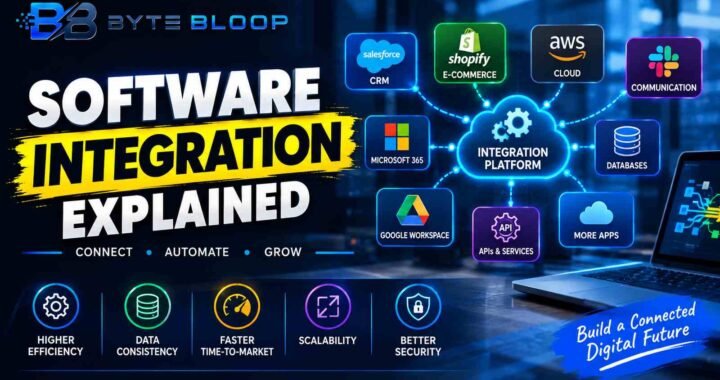
Project Management Software: Explained
Introduction
Project management software is a tool designed to assist individuals or teams in managing their projects and tasks effectively. These tools are specially created to help with planning, organization, and execution of projects, ensuring they are completed on time and within budget. With the increasing complexity of projects, the need for project management software has grown significantly. This software provides a centralized platform for team members to collaborate, track progress, and make adjustments as needed. The best project management tools offer a range of features, including task management, Gantt charts, Kanban boards, and resource allocation. By utilizing project management software, teams can streamline their workflows, improve communication, and enhance overall productivity. Effective project management is crucial for the success of any project, and the right software can make a significant difference. Project management software is used across various industries, from software development to construction, and its applications continue to expand.
The primary goal of project management software is to provide a structured approach to managing projects, allowing teams to break down complex tasks into smaller, manageable components. This enables teams to focus on specific aspects of the project, allocate resources efficiently, and monitor progress in real-time. Some of the key features of project management software include centralized planning, collaboration tools, and tracking capabilities. These features help teams stay organized, work together more effectively, and deliver high-quality results. With the rise of remote work, project management software has become even more essential, enabling teams to collaborate seamlessly regardless of their location. By choosing the right project management software, teams can overcome common challenges, such as delayed timelines, budget overruns, and poor communication, and achieve their project goals.
Types of Project Management Software
There are various types of project management software available, each catering to specific needs and industries. Some of the most popular options include Jira, Notion, Trello, and Asana. These tools offer a range of features, from basic task management to advanced project planning and tracking. For example, Jira is commonly used in software development, while Trello is popular among teams that prefer a visual, board-based approach. Notion, on the other hand, offers a highly customizable platform that can be tailored to suit the needs of various teams. When selecting a project management software, it is essential to consider the specific requirements of the team and the project, as well as the level of complexity and scalability needed.
Benefits of Project Management Software
The benefits of project management software are numerous, and they can have a significant impact on the success of a project. Some of the most notable advantages include improved collaboration, enhanced productivity, and better time management. By providing a centralized platform for team members to work together, project management software helps to reduce misunderstandings, errors, and delays. Additionally, these tools enable teams to track progress in real-time, making it easier to identify potential issues and make adjustments as needed. Project management software also helps teams to prioritize tasks, allocate resources efficiently, and manage budgets more effectively. Overall, the use of project management software can lead to increased efficiency, reduced costs, and improved project outcomes.
Best Practices for Using Project Management Software
To get the most out of project management software, it is essential to follow best practices. This includes setting clear goals and objectives, defining roles and responsibilities, and establishing a structured approach to project planning. Teams should also prioritize tasks, allocate resources efficiently, and track progress regularly. Additionally, it is crucial to choose a project management software that meets the specific needs of the team and the project, and to provide adequate training and support to ensure successful adoption. By following these best practices, teams can maximize the benefits of project management software and achieve their project goals more effectively.
Common Challenges and Limitations
While project management software can be highly beneficial, there are also some common challenges and limitations to consider. One of the most significant challenges is the potential for information overload, which can occur when teams are faced with too much data and complexity. To overcome this, teams should focus on simplifying their workflows, prioritizing tasks, and using data analytics to inform their decisions. Another challenge is the need for effective communication and collaboration, which can be difficult to achieve, especially in remote teams. To address this, teams should establish clear communication channels, set clear expectations, and use collaboration tools to facilitate teamwork. By being aware of these challenges and limitations, teams can take steps to mitigate them and get the most out of their project management software.
Key Takeaways
- Project management software is a tool designed to assist individuals or teams in managing their projects and tasks effectively
- The best project management tools offer a range of features, including task management, Gantt charts, Kanban boards, and resource allocation
- Project management software provides a centralized platform for team members to collaborate, track progress, and make adjustments as needed
- Effective project management is crucial for the success of any project, and the right software can make a significant difference
- Teams should choose a project management software that meets their specific needs and provides adequate training and support for successful adoption
Frequently Asked Questions
What is project management software?
Project management software is a tool designed to assist individuals or teams in managing their projects and tasks effectively
What are the key features of project management software?
The key features of project management software include centralized planning, collaboration tools, and tracking capabilities
What are the benefits of using project management software?
The benefits of using project management software include improved collaboration, enhanced productivity, and better time management
How do I choose the right project management software for my team?
To choose the right project management software, consider the specific needs of your team and the project, and look for a tool that provides the features and scalability you need
What are some common challenges and limitations of using project management software?
Common challenges and limitations include information overload, the need for effective communication and collaboration, and the potential for technical issues
How can I get the most out of my project management software?
To get the most out of your project management software, follow best practices, provide adequate training and support, and continually evaluate and adjust your approach as needed
Conclusion
Based on the available information and industry analysis, project management software provides a powerful tool for teams to manage their projects and tasks more effectively, leading to improved collaboration, enhanced productivity, and better project outcomes. By choosing the right software and following best practices, teams can overcome common challenges and achieve their project goals.
Related Reading
- The Ultimate Guide to Agile Project Management
- The Benefits of Using Kanban Boards for Project Management