Credit Scores: Explained
Introduction
A credit score is a three-digit number that reflects an individual’s creditworthiness, typically ranging from 300 to 900. It is a prediction of how likely a person is to pay a loan back on time, based on information from their credit reports. The higher the credit score, the better a borrower looks to potential lenders. Credit scores are used by lenders to determine the likelihood of a borrower repaying a loan, and they play a crucial role in determining the interest rate and terms of a loan. A good credit score can help individuals qualify for lower interest rates, better loan terms, and even better credit card offers. In contrast, a poor credit score can make it more difficult to obtain credit and may result in higher interest rates and less favorable loan terms. Understanding credit scores is essential for maintaining good financial health and making informed decisions about borrowing and credit. Credit scores are calculated based on a variety of factors, including payment history, credit utilization, length of credit history, and types of credit used.
The importance of credit scores cannot be overstated, as they have a significant impact on an individual’s financial well-being. A good credit score can provide access to better loan terms, lower interest rates, and more favorable credit card offers. On the other hand, a poor credit score can limit access to credit and result in higher interest rates and less favorable loan terms. It is essential to understand the factors that affect credit scores and to take steps to maintain a good credit score. This includes making timely payments, keeping credit utilization low, and monitoring credit reports for errors. By understanding credit scores and taking steps to maintain a good credit score, individuals can make informed decisions about borrowing and credit and maintain good financial health.
How Credit Scores are Calculated
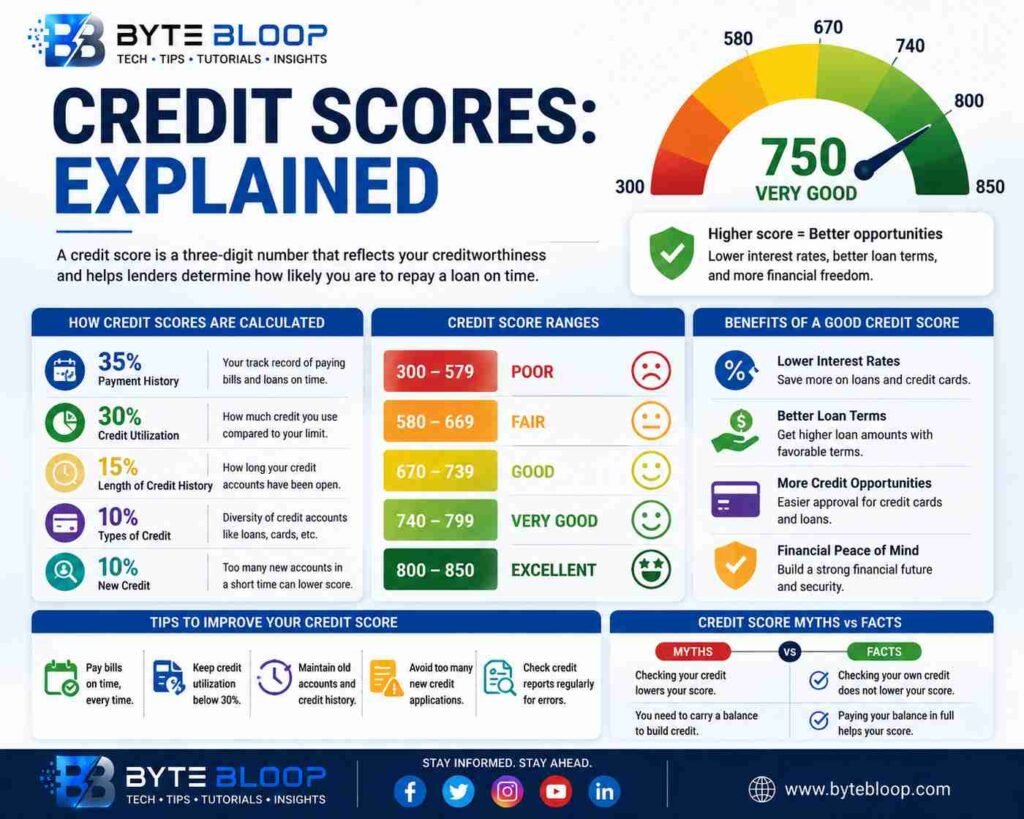
Credit scores are calculated based on a variety of factors, including payment history, credit utilization, length of credit history, and types of credit used. Payment history is the most significant factor, accounting for 35% of the total credit score. This includes information about late payments, accounts sent to collections, and bankruptcies. Credit utilization is the second most important factor, accounting for 30% of the total credit score. This includes the amount of credit being used compared to the amount of credit available. The length of credit history accounts for 15% of the total credit score, and the types of credit used account for 10%.
Understanding Credit Score Ranges
Credit scores typically range from 300 to 850, with higher scores indicating better creditworthiness. The most common credit score ranges are poor (300-579), fair (580-669), good (670-739), very good (740-799), and excellent (800-850). A good credit score can provide access to better loan terms, lower interest rates, and more favorable credit card offers. On the other hand, a poor credit score can limit access to credit and result in higher interest rates and less favorable loan terms.
Improving Credit Scores
Improving credit scores requires a long-term commitment to good credit habits. This includes making timely payments, keeping credit utilization low, and monitoring credit reports for errors. It is also essential to avoid negative credit marks, such as late payments and accounts sent to collections. By following these tips and maintaining good credit habits, individuals can improve their credit scores over time and enjoy better financial health.
Practical Examples of Credit Scores
Credit scores have a significant impact on everyday life, from obtaining a mortgage to qualifying for a credit card. For example, a person with a good credit score may qualify for a lower interest rate on a mortgage, resulting in lower monthly payments. On the other hand, a person with a poor credit score may be denied credit or offered less favorable loan terms. Understanding credit scores and taking steps to maintain a good credit score can provide access to better financial opportunities and more favorable loan terms.
Credit Score Myths and Facts
There are many myths and misconceptions about credit scores, from the idea that checking credit reports will lower credit scores to the notion that credit scores are only used for loan applications. In reality, credit scores are used for a variety of purposes, including credit card applications, apartment rentals, and even employment screening. It is essential to separate fact from fiction and understand the truth about credit scores.
Credit Score Resources
There are many resources available to help individuals understand and improve their credit scores. This includes credit reporting agencies, such as Experian and Equifax, which provide credit reports and credit scores. There are also many online resources, such as credit score calculators and credit monitoring services, which can help individuals track their credit scores and identify areas for improvement.
Credit Score FAQs
While this section is not the FAQ section, it is essential to address some common questions about credit scores. For example, what is a good credit score? A good credit score is typically considered to be 670 or higher. What are the key factors that affect credit scores? The key factors that affect credit scores include payment history, credit utilization, length of credit history, and types of credit used.
Key Takeaways
- Credit scores are three-digit numbers that reflect an individual’s creditworthiness
- Credit scores are used by lenders to determine the likelihood of a borrower repaying a loan
- Good credit scores can provide access to better loan terms, lower interest rates, and more favorable credit card offers
- Credit scores are calculated based on payment history, credit utilization, length of credit history, and types of credit used
- Improving credit scores requires a long-term commitment to good credit habits
Frequently Asked Questions
What is a credit score?
A credit score is a three-digit number that reflects an individual’s creditworthiness
What are the key factors that affect credit scores?
The key factors that affect credit scores include payment history, credit utilization, length of credit history, and types of credit used
What is a good credit score?
A good credit score is typically considered to be 670 or higher
How can I improve my credit score?
Improving credit scores requires a long-term commitment to good credit habits, including making timely payments, keeping credit utilization low, and monitoring credit reports for errors
What are the benefits of having a good credit score?
Good credit scores can provide access to better loan terms, lower interest rates, and more favorable credit card offers
Conclusion
Based on the available information and industry analysis, credit scores play a crucial role in determining an individual’s financial well-being, and understanding credit scores is essential for making informed decisions about borrowing and credit. By following good credit habits and maintaining a good credit score, individuals can enjoy better financial health and access to more favorable loan terms.
Related Reading
- Understanding Credit Reports
- How to Improve Your Credit Score
This article is for informational and educational purposes only and should not be considered financial, investment, or trading advice.
This article is for informational and educational purposes only and should not be considered financial, investment, or trading advice.
