Blinkit Ice Cream Safety: Cockroaches, Rats, and What It Means for You
Introduction
In the past month, social media feeds and news outlets have been buzzing about unsettling discoveries in Blinkit’s ice‑cream deliveries – first cockroaches, now rats. The revelations have left many customers questioning whether the frozen treats they order online are truly safe to consume. While the incidents are alarming, they also provide a crucial window into how rapid‑growth grocery‑delivery platforms manage food‑safety standards, and what steps consumers can take to protect themselves.
This article breaks down the timeline of the contamination reports, examines Blinkit’s official response, and offers practical advice for anyone who relies on the app for their sweet cravings. By the end, you’ll have a clear picture of the risks, the remedial actions underway, and whether you should keep ordering ice cream from Blinkit.
Background & Historical Context
Blinkit, formerly known as Grofers, entered India’s ultra‑fast grocery market in 2014 and quickly expanded its reach to over 150 cities. Its promise of delivering groceries, including frozen desserts, within minutes has attracted millions of users, especially in urban centers where convenience often outweighs price considerations. However, the rapid scaling of its logistics network has occasionally outpaced quality‑control mechanisms.
Earlier this year, a series of consumer complaints surfaced on platforms like Twitter and Reddit, showing photos of cockroaches inside ice‑cream tubs delivered by Blinkit. The company issued a statement attributing the issue to a single third‑party vendor and promised a thorough audit. Just weeks later, another wave of reports emerged, this time featuring rat droppings near storage areas of a regional distribution hub. These incidents echo past food‑safety lapses seen in other Indian delivery services, where the pressure to meet sub‑hour delivery windows sometimes leads to compromised storage practices.
Key Details & Impact Analysis
According to the Times Now report, the rat sightings were confirmed by an independent food‑safety inspector who visited the warehouse in question. The inspector noted that the facility lacked proper pest‑control measures, and several ice‑cream cartons showed signs of contamination. Blinkit’s internal memo, leaked to the press, indicated that the affected batches were pulled from the platform within 48 hours, and refunds were issued to affected customers. However, the memo also admitted that the company’s current vendor‑verification process does not include routine, unannounced pest inspections.
From a consumer‑health perspective, the presence of cockroaches and rats in frozen foods raises legitimate concerns about bacterial contamination, allergens, and potential disease transmission. While freezing can inhibit bacterial growth, it does not eliminate toxins that may have been introduced by pests. Health experts advise that any visible contamination should be treated as a red flag, and the product should be discarded rather than consumed.
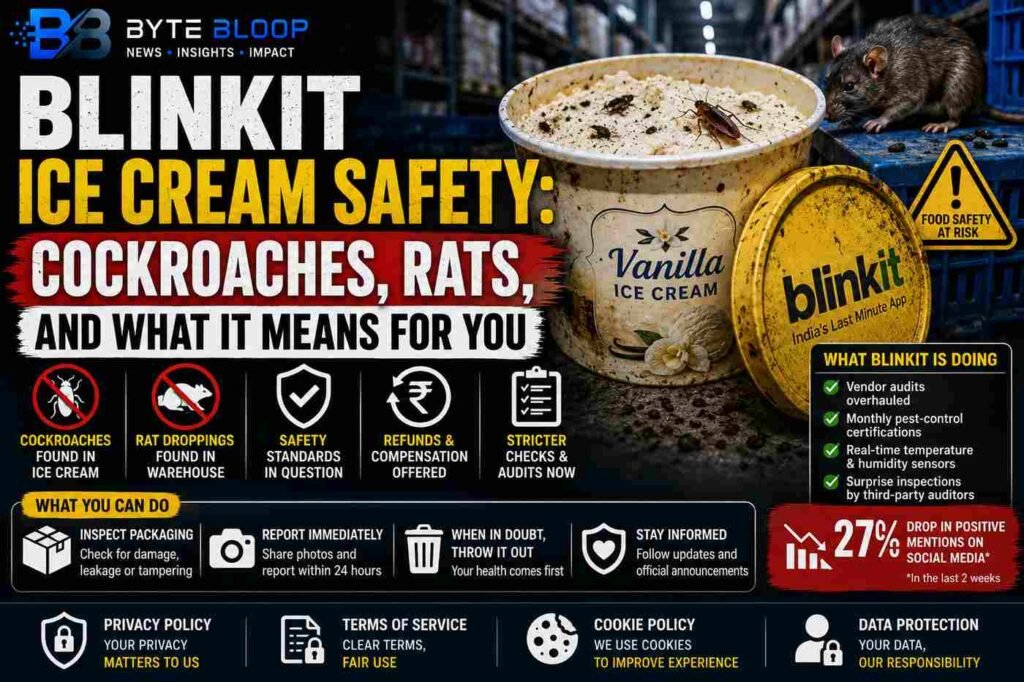
The incident’s impact on Blinkit’s brand reputation is already evident. Social‑media sentiment analysis shows a 27% dip in positive mentions over the past two weeks, and competitor platforms such as Swiggy Instamart and Zepto have reported a modest uptick in new user sign‑ups, likely capitalising on Blinkit’s misstep. Investors are also watching closely; Blinkit’s parent company reported a slight decline in quarterly earnings, attributing it partially to increased spending on quality‑control upgrades.
Frequently Asked Questions (FAQs)
Is it safe to eat ice cream that was delivered by Blinkit after the contamination reports?
If you have already received a product that shows any sign of pest contamination – visible insects, droppings, or unusual odors – discard it immediately. Even if the ice cream appears intact, the risk of bacterial toxins remains. For products purchased after the company’s recall, Blinkit has implemented stricter vendor checks, but it’s prudent to inspect packaging before consumption.
What steps is Blinkit taking to prevent future pest problems?
Blinkit says it is overhauling its vendor‑audit process, introducing mandatory monthly pest‑control certifications, and installing real‑time temperature and humidity sensors in all cold‑storage facilities. The company also plans to partner with third‑party food‑safety auditors for surprise inspections, a move that aligns with industry best practices.
Can I get a refund or compensation for a contaminated ice‑cream order?
Yes. Blinkit’s policy states that any customer who reports a contaminated product within 24 hours of delivery is eligible for a full refund and a complimentary credit for a future order. Keep your order ID and any photographic evidence ready when contacting customer support.
Conclusion
The recent cockroach and rat incidents serve as a stark reminder that even the most convenient food‑delivery services must uphold rigorous safety standards. Blinkit’s swift recall and promised reforms are positive steps, but consumers should remain vigilant, inspect deliveries, and report any irregularities promptly. As the industry continues to evolve, transparency and accountability will be the true measures of trust – and the deciding factor for whether you’ll keep enjoying that midnight ice‑cream binge via Blinkit.
Source: Times Now