iOS Software: Explained
Introduction (Ios Software Explained)
Ios Software Explained is a topic worth understanding well. iOS software is the operating system that powers every Apple mobile device, from the iPhone to the iPad. It sits between the hardware and the applications, managing everything from battery life to security protocols. Over the past two decades, iOS has evolved from a simple, touch‑driven interface into a sophisticated platform that supports a vast ecosystem of apps, services, and developer tools. Each new version brings performance boosts, privacy enhancements, and new features that redefine how users interact with their devices. Understanding iOS software is essential for developers, power users, and anyone who wants to make the most of their Apple experience.
At its core, iOS is built on a Unix foundation, offering a secure sandboxed environment where apps run independently. This architecture not only protects user data but also enables seamless updates across millions of devices. Apple’s yearly release cycle—typically in September—introduces fresh capabilities, such as the AI‑powered Siri in iOS 27 and the Liquid Glass design language that debuted with iOS 26. These updates demonstrate Apple’s commitment to blending cutting‑edge technology with intuitive design, ensuring that each iteration feels both familiar and innovative.
In this article, we’ll break down the key components of iOS software, trace its historical milestones, highlight standout features of the latest releases, and offer practical tips for users and developers alike. By the end, you’ll have a clear picture of what makes iOS unique and how to leverage its strengths for everyday tasks or advanced app development.
This matters directly for anyone exploring ios software explained.
What Is iOS Software?
iOS is a proprietary mobile operating system developed by Apple Inc. It manages the device’s hardware resources, provides a user interface, and serves as a platform for third‑party applications. Unlike desktop operating systems, iOS is tightly integrated with Apple’s hardware, allowing for optimized performance and battery efficiency.
Getting ios software explained right can make a real difference.
Historical Milestones
The first iPhone OS launched in 2007, and the name changed to iOS in 2010 to reflect its expanding capabilities beyond phones. Each major release has introduced new features:
That is a core part of understanding ios software explained.
- iOS 13: Dark mode and revamped privacy controls.
- iOS 15: Focus modes and FaceTime enhancements.
- iOS 26: Liquid Glass design language and a host of UI refinements.
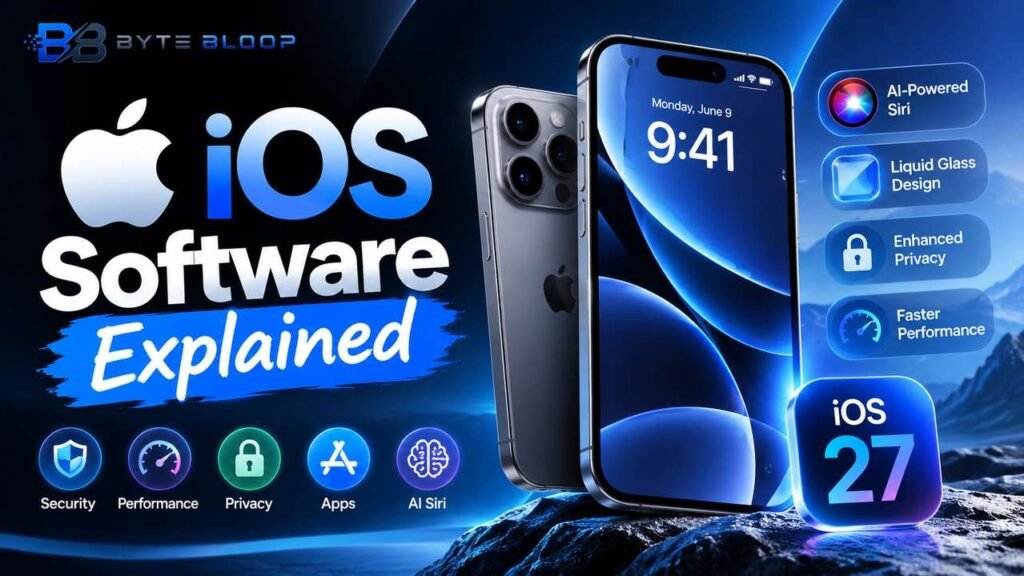
- iOS 27: Siri AI powered by Apple Intelligence, faster performance, and a more responsive experience.
According to Apple iOS 26 feature walkthrough, the Liquid Glass design marks the first major redesign of the user interface across Apple platforms.
Many readers look into ios software explained for exactly this reason.
Key Features of the Latest iOS Versions
- AI‑Powered Siri: iOS 27 introduces a new Siri that leverages Apple Intelligence for more natural interactions.
- Performance Improvements: What’s new in iOS 27 reports that the OS is faster and more responsive on all supported devices.
- Privacy Enhancements: App tracking transparency and granular permissions give users tighter control.
- Design Refresh: The Liquid Glass aesthetic provides a cohesive look across iPhone, iPad, and Mac.
- Developer Tools: Xcode updates and new SwiftUI components simplify app creation.
Best Use Cases
For everyday users, iOS offers a seamless experience for communication, media consumption, and productivity. Developers can take advantage of the robust SDKs and the App Store ecosystem to reach a global audience. Enterprises benefit from the secure sandbox and managed device profiles for corporate use.
It is worth revisiting ios software explained as things develop.
Pros and Cons
- Pros: Strong security, regular updates, unified ecosystem, extensive app library.
- Cons: Limited customizability compared to Android, higher hardware costs, closed developer ecosystem.
Practical Examples
Consider a photographer who uses the native Photos app enhanced by iOS 27’s AI features to auto‑tag images. A developer can build a health app that syncs with Apple HealthKit, taking advantage of the latest health data APIs introduced in iOS 26.
Ios Software Explained remains highly relevant here.
Key Takeaways
- iOS blends hardware and software for optimal performance
- Each release adds AI, privacy, and design innovations
- Developers benefit from robust SDKs and a global app store
- Enterprise users enjoy strong security and device management
Frequently Asked Questions
What is iOS software?
iOS is Apple’s proprietary operating system that manages hardware, provides a user interface, and supports third‑party apps on iPhone, iPad, and iPod Touch.
This is a key consideration when it comes to ios software explained.
What are the key features of iOS 27?
iOS 27 introduces AI‑powered Siri, faster performance, enhanced privacy controls, and a more responsive user experience across all supported devices.
This matters directly for anyone exploring ios software explained.
What are the best use cases for iOS?
iOS is ideal for everyday communication, media consumption, productivity apps, and enterprise device management, while developers can leverage its SDKs to create a wide range of applications.
What are the pros and cons of iOS?
Pros include strong security, regular updates, and a unified ecosystem; cons involve limited customizability, higher hardware costs, and a closed developer environment.
Conclusion
Based on the available information and industry analysis, iOS software continues to set the standard for mobile operating systems by combining robust security, regular feature updates, and a tightly integrated ecosystem that benefits both users and developers alike.
Related Reading
- Top iOS Development Tools in 2026
Sources & References
- OS – iOS 27 — iOS 27 with all-new Siri AI powered by Apple Intelligence and new features for a more responsive, delightful experience
- What’s new in iOS 27 — iOS is now faster and more responsive on all supported devices
- iOS 26 — iOS 26 introduces the Liquid Glass design language that is shared across all other Apple platforms, marking the first major redesign of the user interface
Related Articles