Identity Protection: Explained
Introduction
Identity protection is the umbrella of strategies, tools, and practices that keep personal data safe from theft, fraud, and misuse. In a world where every online interaction leaves a digital trail, the risk of having your name, address, or financial details hijacked has grown dramatically. Protecting your identity means more than just locking your phone; it involves monitoring for suspicious activity, securing passwords, and ensuring that sensitive information is only shared on trusted channels. The rise of sophisticated phishing campaigns and data breaches has made identity protection a priority for both individuals and businesses alike. By combining proactive monitoring, strong authentication, and disciplined data hygiene, you can reduce the likelihood of becoming a victim. This guide will walk you through the core components of identity protection, explain why each is essential, and give you actionable steps to implement right away. Whether you’re a first‑time online shopper or a seasoned professional, understanding identity protection is key to maintaining your digital safety and peace of mind.
What Identity Protection Covers
Identity protection is more than just a single product; it’s a layered approach that includes:
- Personal data monitoring – services that scan the dark web for stolen credentials.
- Secure authentication – multi‑factor authentication (MFA), biometrics, and hardware tokens.
- Password hygiene – strong, unique passwords generated by reputable managers.
- Secure connections – VPNs and encrypted communication channels.
- Education and awareness – training to spot phishing and social engineering.
Why It Matters in 2026
According to the 2026 Guide to Personal Digital Security, the number of identity‑related breaches has doubled compared to 2024, with attackers targeting both public and private data. The average cost of an identity theft incident for individuals is now estimated at over $1,200, while organizations face multi‑million‑dollar penalties for non‑compliance. These figures underscore that identity protection is not optional; it’s a critical component of overall cybersecurity strategy. The rise of AI‑driven fraud tools means that attackers can craft convincing phishing emails and even generate synthetic identities, making detection harder without proper safeguards.
Building a Personal Identity Protection Plan
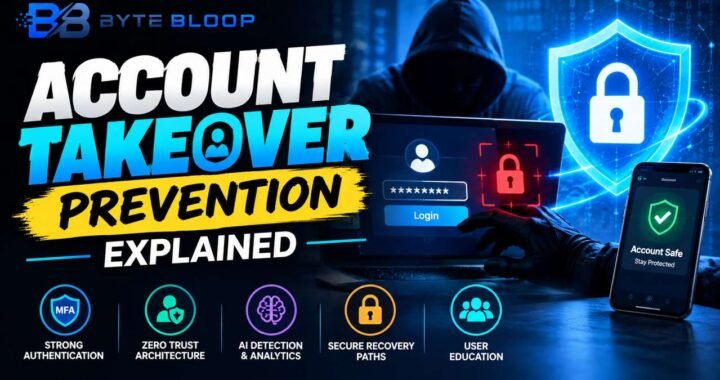
Start with a baseline audit: list every account, note the data you share, and check whether each service requires MFA. Next, choose a reputable password manager—many include built‑in password generators and can auto‑fill credentials securely. Enable MFA wherever possible; a combination of something you know (password) and something you have (authenticator app or hardware token) significantly raises the bar for attackers.
For data you don’t need to share publicly, consider encryption. File‑level encryption tools, such as VeraCrypt, protect documents even if they’re intercepted. Use a VPN when connecting to public Wi‑Fi to prevent eavesdropping. Regularly update software to patch vulnerabilities that could be exploited to gain unauthorized access.
Proactive Monitoring Services
Identity monitoring services scan the dark web for leaked credentials and alert you if your data appears. Some providers also offer credit monitoring and identity restoration services. While not a silver bullet, these services add an extra layer of detection that can trigger early intervention.
When to Seek Professional Help
If you notice unauthorized activity—such as unfamiliar charges, new accounts opened in your name, or a sudden spike in spam emails—it’s time to act. Contact your bank, credit bureaus, and any relevant service providers immediately. Consider placing a fraud alert or credit freeze if you suspect a serious breach. In severe cases, hiring a cyber‑forensics firm can help trace the source and mitigate damage.
Common Misconceptions
Many people assume that a strong password alone is enough. In reality, weak security practices—such as reusing passwords across sites or neglecting MFA—can undermine even the strongest passwords. Another myth is that identity protection is only for high‑profile targets; however, everyday consumers are equally vulnerable and often more lucrative targets for attackers.
Future Trends in Identity Protection
Biometric authentication is becoming mainstream, but it is not foolproof; spoofing attacks and privacy concerns remain. Zero‑trust architectures, where every access request is verified, are gaining traction in corporate environments and could trickle down to consumer services. Additionally, AI‑based anomaly detection will likely become standard in monitoring services, providing faster alerts for suspicious behavior.
Key Takeaways
- Identity protection combines monitoring, MFA, strong passwords, encryption, and education.
- Proactive services can detect breaches early and trigger timely response.
- Regular software updates and secure connections reduce attack surface.
- Misconceptions like password strength alone or low risk for ordinary users are false.
- Future trends point to biometrics, zero‑trust, and AI‑driven detection.
Frequently Asked Questions
What is identity protection explained?
Identity protection refers to the set of practices and tools that safeguard personal data from theft, fraud, and unauthorized use, including monitoring, authentication, encryption, and user education.
What are the key features of identity protection?
Key features include secure authentication (MFA, biometrics), password management, data encryption, secure connections (VPN), proactive monitoring of data leaks, and ongoing education to recognize phishing.
What are the best use cases for identity protection?
Use cases span personal online accounts, small business operations, healthcare records, financial services, and any scenario where sensitive personal or corporate data is stored or transmitted.
What are the pros and cons of identity protection?
Pros: reduces risk of identity theft, protects financial and personal data, increases user confidence. Cons: can add complexity, requires ongoing maintenance, may incur costs for premium monitoring services.
Conclusion
Based on the available information and industry analysis, identity protection provides a multi‑layered defense that is essential in today’s digital ecosystem, where data breaches and fraud attempts are increasingly sophisticated and widespread. By integrating proactive monitoring, strong authentication, and secure data handling practices, individuals and organizations can significantly reduce their exposure to identity‑based threats and safeguard their most valuable asset—trust.
Related Reading
- Understanding Multi‑Factor Authentication: A Practical Guide
- How VPNs Protect Your Online Privacy in 2026