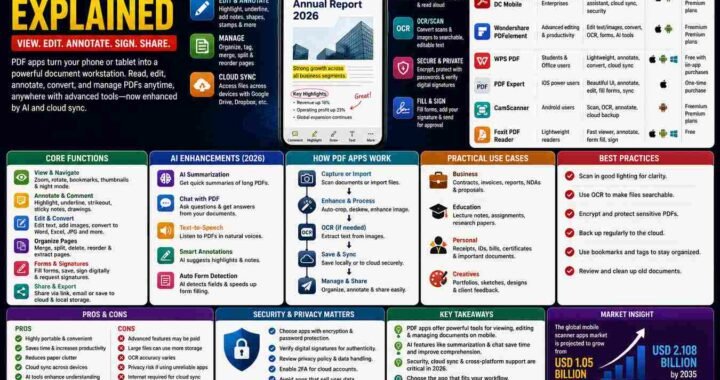
Fitness Apps: Explained
Introduction
Fitness apps have become a staple in the modern health ecosystem, turning smartphones into personal trainers, nutritionists, and wellness coaches. They track steps, calories, heart rate, and sleep, while offering workout plans, coaching, and community support. The rise of wearables and AI-driven insights has amplified their capabilities, making data-driven fitness more accessible than ever. For many, a fitness app is the first touchpoint with a healthier lifestyle, providing motivation, accountability, and measurable progress. However, with hundreds of options on app stores, understanding what makes a good fitness app—and how they differ—can be overwhelming. This guide breaks down the core components of fitness apps, highlights top examples, and offers practical advice for selecting the right tool for your journey.
At their core, fitness apps combine three pillars: tracking, coaching, and community. Tracking captures metrics like steps, distance, and calories burned. Coaching delivers personalized workout plans, nutrition guidance, and real‑time feedback. Community connects users to friends, challenges, and social proof. Successful apps blend these elements seamlessly, often integrating wearables, AI, and subscription models to create a scalable, engaging experience. Below, we explore the anatomy of a fitness app, the market landscape, and what to look for when choosing one.
What Makes a Fitness App Work?
1. Data Integration: The best apps sync with wearables (Fitbit, Garmin, Apple Watch) and phone sensors to pull heart rate, GPS, and sleep data automatically. This reduces manual input and increases accuracy.
2. Personalization: AI and machine learning analyze past activity to suggest workouts, adjust intensity, and predict recovery needs. Personalization turns generic routines into tailored programs.
3. Gamification: Badges, streaks, and leaderboards turn exercise into a game, boosting motivation and retention.
4. Social Features: Friend lists, group challenges, and sharing options foster accountability and community support.
5. Monetization & Sustainability: Free tiers with optional premium subscriptions, in‑app purchases, or ad revenue models ensure long‑term viability. Transparent pricing and a clear value proposition are key.
Market Landscape in 2026
According to Grand View Research, the global fitness app market is projected to grow from $12.5 billion in 2025 to over $20 billion by 2033, driven by rising health awareness and wearable adoption. Leading players include Fitbit, MyFitnessPal, Garmin Connect, Fooducate, Noom, and Google Fit. These apps differ in focus: some emphasize calorie tracking, others offer comprehensive workout libraries or mental wellness tools. The top free apps in 2026—such as the ones highlighted by Virtuous TechLogic—often combine basic tracking with community challenges, while premium tiers unlock advanced coaching and AI insights.
Choosing the Right App for You
When evaluating a fitness app, consider:
- Goal Alignment: Are you training for weight loss, muscle gain, endurance, or overall wellness?
- Device Compatibility: Does it sync with your smartwatch or phone sensors?
- Data Privacy: Check how the app handles personal health data and complies with regulations like GDPR.
- Cost Structure: Free features vs. premium benefits. Look for trial periods.
- Community Strength: A vibrant user base can enhance motivation.
Future Trends
Emerging trends in 2026 include:
- AI‑Powered Coaching: Real‑time workout adjustments based on biometric feedback.
- Virtual Reality Workouts: Immersive training experiences that blend gaming and fitness.
- Integrated Health Ecosystems: Apps that partner with health insurers or wellness programs for broader benefits.
Staying ahead of these trends can help you choose an app that not only meets current needs but also adapts to future innovations.
Key Takeaways
- Fitness apps blend tracking, coaching, and community for a holistic experience.
- The market is growing rapidly, with major players offering free and premium tiers.
- Personalization and AI are driving the next wave of fitness app innovation.
- Choosing the right app requires aligning features with your fitness goals and device ecosystem.
- Future trends point to deeper integration with wearables, VR, and health insurers.
Frequently Asked Questions
What is a fitness app?
A fitness app is a mobile application that tracks physical activity, offers workout plans, monitors nutrition, and often includes social or gamified features to motivate users.
What are the key features of a top fitness app?
Key features include data integration with wearables, AI‑driven personalization, gamification elements, community support, and a clear monetization strategy.
What are the best use cases for fitness apps?
Use cases range from daily step tracking and calorie counting to structured training programs, virtual coaching, and wellness monitoring for chronic conditions.
What are the pros and cons of using a fitness app?
Pros: convenience, motivation, data insights, and community. Cons: privacy concerns, reliance on technology, potential subscription costs, and variable data accuracy.
Conclusion
Based on the available information and industry analysis, fitness apps provide a scalable, data‑rich platform that transforms everyday devices into personal health coaches. By integrating wearable data, AI personalization, and community engagement, they offer users measurable progress and sustained motivation. As the market continues to evolve, those who choose apps that align with their goals and embrace emerging technologies will likely see the greatest long‑term benefits.
Related Reading
- Top Wearable Devices for Fitness Tracking
- How AI is Shaping Personal Training Apps