Google Gemini Models: Explained
Introduction
Google Gemini represents the next frontier in generative AI, blending advanced multimodal capabilities with low‑latency performance. Launched in 2025, Gemini builds on the success of earlier models like PaLM and introduces a suite of variants—Pro, Flash, and specialized video and robotics models—tailored to different workloads. At its core, Gemini can ingest text, images, audio, and video, generating coherent responses that span natural language, code, and even nuanced audio narration. The platform’s architecture emphasizes steerable prompts, allowing developers to fine‑tune outputs for tone, formality, or domain specificity. Gemini’s integration with Google Cloud’s AI services means it can be deployed at scale, benefiting enterprises that need reliable, real‑time inference. The result is a family of models that balance raw power with practical usability, making them suitable for everything from customer support bots to advanced research assistants. This guide dissects each variant, highlights key features, and shows how to choose the right model for your project.
Gemini Model Family Overview
Google’s Gemini lineup is divided into three main tiers: Pro, Flash, and Specialized models. Pro models, such as Gemini 3.5 Pro, offer the highest reasoning capacity, long‑context handling, and multimodal support. Flash variants, like Gemini 3.7 Flash, prioritize speed and cost, delivering fast responses with a slightly reduced token limit. Specialized models include Gemini Robotics ER‑2 for video‑based task understanding and Gemini 3.5 Pro Video for raw video processing, separate from the broader Veo framework.
Key Features of Gemini
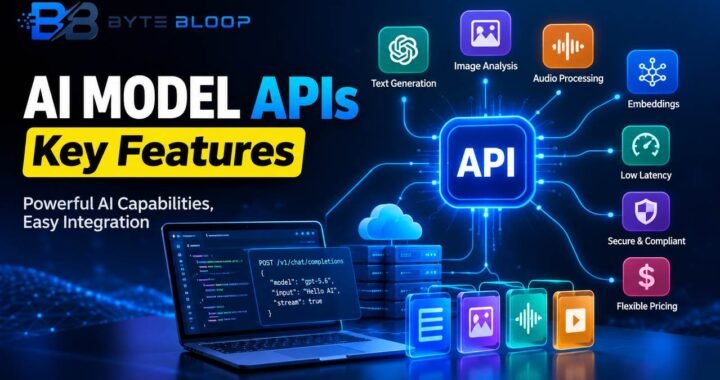
- Multimodal Input: Text, image, audio, and video can be processed in a single request.
- Steerable Prompts: Users can direct tone, style, and content granularity.
- Low Latency: Engineered for sub‑second inference on Google’s edge infrastructure.
- Expressive Audio Tags: Fine‑grained control over narration, pauses, and emphasis.
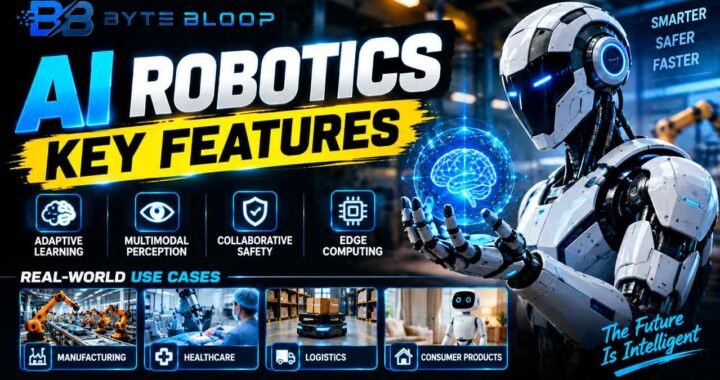
- Robotics‑Ready: Video understanding for real‑time robotic decision making.
Practical Use Cases
1. Customer Support: Gemini’s conversational abilities can power chatbots that understand images and audio, offering richer assistance.
2. Content Creation: Writers can use Gemini to draft articles, generate images, or create audio narrations with precise control.
3. Accessibility: Sign‑language AI integrated into Gemini can translate spoken language into sign gestures for real‑time communication.
4. Robotics: Gemini Robotics ER‑2 interprets video streams to guide autonomous robots in warehouses or manufacturing.
Choosing the Right Variant
When selecting a Gemini model, consider the trade‑off between performance and cost. Pro models excel in complex reasoning and long‑form content but come at a higher compute cost. Flash models are ideal for high‑volume, latency‑sensitive applications like live chat or real‑time translation. If your use case involves video or robotics, the specialized variants provide dedicated pipelines that reduce inference time and improve accuracy.
Pricing and Access
Google offers Gemini through its Cloud AI platform, with tiered pricing based on token usage and model tier. The Flash variant is the most cost‑effective for high‑volume workloads, while Pro models require a higher budget but deliver superior performance. Detailed pricing can be found in Google Cloud’s documentation, and developers can experiment with free trial credits before scaling.
Alternatives to Gemini
While Gemini is a strong contender, other providers like OpenAI’s GPT‑4o and Anthropic’s Claude 3.5 offer comparable multimodal capabilities. Each platform has its own pricing model and performance characteristics, so evaluating use‑case requirements is essential.
Key Takeaways
- Gemini blends multimodal input with low‑latency inference.
- Pro models offer deep reasoning; Flash models prioritize speed and cost.
- Steerable prompts let developers control tone and style.
- Specialized variants support video and robotics use cases.
- Choosing the right model depends on workload, latency, and budget.
Frequently Asked Questions
What is Google Gemini?
Google Gemini is a family of generative AI models that process text, images, audio, and video to produce natural language, code, and audio outputs.
What are the key features of Gemini models?
Key features include multimodal input, steerable prompts, low‑latency inference, expressive audio tags, and specialized models for robotics and video.
What are the best use cases for Gemini?
Ideal use cases are customer support bots, content creation, accessibility tools, and real‑time robotics guidance.
What are the pros and cons of Gemini?
Pros: high performance, multimodal flexibility, low latency. Cons: higher cost for Pro models, limited free tier, and requires Google Cloud integration.
Conclusion
Based on the available information and industry analysis, Google Gemini models provide a versatile, high‑performance AI platform that balances multimodal capability with practical deployment needs. Their tiered architecture allows developers to match model power to specific workloads, from rapid, cost‑effective chatbots to sophisticated robotics and video analysis. As AI continues to permeate business and consumer applications, Gemini’s blend of speed, flexibility, and integration with Google’s ecosystem positions it as a leading choice for organizations seeking scalable, intelligent solutions.
Related Reading
- How to Integrate Gemini into Your Existing Workflow