AI Cybersecurity AI: Key Features
Introduction (Ai Cybersecurity Ai Key Features)
Ai Cybersecurity Ai Key Features is a topic worth understanding well. Artificial intelligence is reshaping how companies defend against cyber threats. In 2026, AI‑driven tools can spot anomalies faster than human analysts, automate patch management, and predict attacker tactics before they materialize. These capabilities reduce breach detection time by up to 108 days, saving millions in incident costs. For security teams, AI offers a scalable, proactive layer that complements traditional defenses. Understanding the key features of AI cybersecurity solutions is crucial for choosing the right partner and staying ahead of evolving threats.
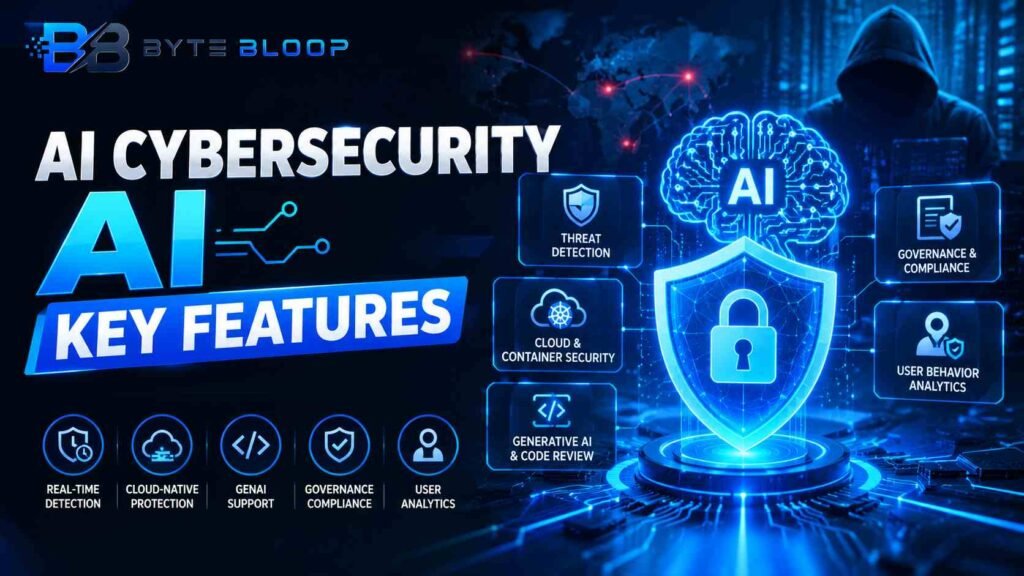
First, AI‑driven threat detection and response form the core of modern security stacks. By ingesting logs, network traffic, and endpoint data, these systems learn normal behavior and flag deviations in real time. When an anomaly appears, the AI can automatically trigger containment actions, such as isolating a device or blocking malicious IPs. This rapid reaction shortens the window for attackers to move laterally.
Second, cloud and Kubernetes‑native protection has become a must. Many enterprises run workloads in containers, and AI tools now monitor pod behavior, detect misconfigurations, and enforce zero‑trust policies across the cloud stack. This integration ensures that security policies adapt to dynamic infrastructure without manual rule updates.
This matters directly for anyone exploring ai cybersecurity ai key features.
Third, generative AI (GenAI) powers proactive threat hunting and code review. Security engineers can ask the system to simulate attack scenarios or generate secure code snippets, reducing the risk of vulnerable deployments. For example, an AI assistant can scan a repository for risky patterns and suggest safer alternatives during the development cycle.
Getting ai cybersecurity ai key features right can make a real difference.
Fourth, AI governance and compliance frameworks are essential for trustworthy deployments. Standards such as OWASP LLM Top‑10 and NIST AI RMF guide organizations in managing model bias, data privacy, and auditability. Integrating these frameworks into the toolchain helps maintain regulatory compliance while leveraging AI’s capabilities.
That is a core part of understanding ai cybersecurity ai key features.
Fifth, user behavior analytics (UBA) and insider threat detection rely on machine learning to profile legitimate user activity. Deviations from established patterns trigger alerts, enabling teams to investigate potential insider risks before they cause damage.
Many readers look into ai cybersecurity ai key features for exactly this reason.
Practical examples include Checkmarx’s AI code review assistant, which flags security flaws in real time, and AccuKnox’s platform that offers cloud‑native protection with automated threat response. These tools illustrate how AI can be embedded across the entire security lifecycle, from development to operations.
It is worth revisiting ai cybersecurity ai key features as things develop.
When evaluating AI cybersecurity solutions, look for a combination of real‑time detection, cloud integration, GenAI support, governance compliance, and user analytics. A well‑rounded tool will reduce manual effort, improve detection accuracy, and scale with your organization’s growth. By adopting AI‑enabled security, companies can stay ahead of sophisticated attackers while freeing analysts to focus on strategic initiatives.
Ai Cybersecurity Ai Key Features remains highly relevant here.
Key Takeaways
- AI detects threats in real time, cutting breach windows
- Cloud‑native AI protects dynamic container environments
- Generative AI aids secure coding and proactive hunting
- Governance frameworks ensure trustworthy AI deployments
- User behavior analytics flag insider risks promptly
Frequently Asked Questions
What is AI cybersecurity?
AI cybersecurity uses artificial intelligence to enhance detection, response, and prevention of cyber threats across networks, endpoints, and applications.
What are the key features of AI cybersecurity tools?
Core features include AI‑driven threat detection, cloud and Kubernetes protection, generative AI for code review, governance compliance, and user behavior analytics.
What are the best use cases for AI cybersecurity?
Use cases span real‑time anomaly detection, automated patching, secure code suggestions, container security, insider threat monitoring, and compliance reporting.
What are the pros and cons of AI cybersecurity solutions?
Pros: faster detection, reduced analyst workload, proactive threat hunting. Cons: potential bias, need for governance, initial integration complexity.
Conclusion
Based on the available information and industry analysis, AI cybersecurity tools provide a comprehensive, automated layer that shortens breach detection times, enhances cloud security, and supports secure development practices. By integrating AI-driven threat detection, cloud‑native protection, generative code review, and robust governance frameworks, organizations can proactively defend against evolving cyber threats while maintaining compliance and operational efficiency.
Related Reading
- Understanding Zero Trust Architecture in 2026
Sources & References
- Best AI Cybersecurity Tools: The 9 to Watch in 2026
- Top 6 AI Cyber Security Tools To Watch In 2026
- AI in Cybersecurity 2026: Threats, Tools & Future Trends
- AI in Cybersecurity in 2026: The Complete Guide
- AI Security Standards: Key Frameworks for 2026
Related Articles