Simulation Games: Explained
Introduction
Simulation games have evolved from simple pixelated farm managers to sprawling, hyper‑realistic ecosystems that mirror real‑world physics, economics, and social dynamics. At their core, these titles let players experiment with systems—whether building a city, running a logistics network, or piloting a spacecraft—while providing a sandbox for creative problem‑solving. The genre’s appeal lies in its blend of strategy, creativity, and the satisfaction of watching a virtual world respond to your choices. Over the past decade, advances in graphics, AI, and cloud computing have pushed simulation games into new realms, from realistic train simulators to AI‑driven city planners. Players now expect detailed mechanics, data‑driven feedback loops, and cross‑platform persistence, turning simple hobbies into immersive, long‑term projects. This guide breaks down the essentials of simulation games, highlights standout titles of 2026, and offers practical tips for choosing and mastering the best experiences available today.
What Makes a Simulation Game?
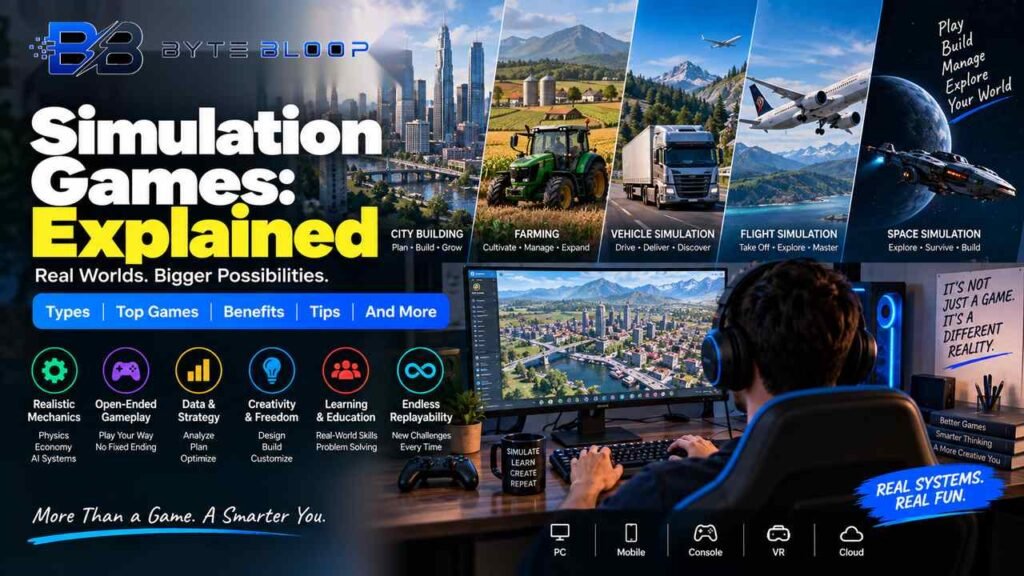
At its heart, a simulation game replicates a system’s behavior, allowing players to manipulate variables and observe outcomes. Key characteristics include:
- Realistic Mechanics: Physics engines, economic models, and AI behavior that mimic real life.
- Open‑Ended Play: No fixed ending; success is measured by growth, efficiency, or personal goals.
- Data Feedback: Statistics, charts, and analytics that inform decision‑making.
- Creative Freedom: Building, designing, or customizing elements within the simulation.
Evolution of the Genre
Early simulation titles like SimCity and RollerCoaster Tycoon focused on city and theme‑park building, respectively. The 2000s saw a surge in niche simulators—flight, farming, and life simulation—thanks to improved hardware and downloadable content. The 2010s introduced massive multiplayer and cloud‑based persistence, exemplified by games such as Microsoft Flight Simulator and Cities: Skylines. In 2026, the genre has diversified further, with titles that blend VR, AR, and AI to create hyper‑immersive environments. According to recent YouTube analyses, the best upcoming simulation games in 2026 span logistics, vehicle, and business management, indicating a trend toward highly specialized, data‑rich experiences.
Top Simulation Games of 2026
For PC, the 12 best simulation games list highlights realistic racing, city‑building, and factory management titles that cater to every playstyle. Mobile players can enjoy ultra‑realistic truck and bus simulators, as well as relaxing construction games that run smoothly on Android and iOS. Nintendo’s simulator library offers a balanced mix of performance and longevity, making it ideal for casual and hardcore fans alike. Notable releases include:
- Logistics Tycoon 3 – A deep supply‑chain management simulator with real‑time data analytics.
- SkyCraft VR – A virtual reality flight simulator that uses AI to model weather patterns.
- Urban Genesis – A city‑builder with procedural generation and dynamic population needs.
- Farmstead 2026 – A farming simulator that integrates seasonal climate models and crop economics.
Why Simulation Games Matter
Beyond entertainment, simulation games serve as educational tools, allowing players to experiment with complex systems without real‑world risk. They foster critical thinking, resource management, and strategic planning. In professional settings, simulation software informs training for pilots, surgeons, and engineers, underscoring the genre’s practical value. For casual gamers, the genre offers a low‑pressure environment to explore creativity and problem‑solving at their own pace.
Choosing the Right Simulator
When selecting a simulation game, consider:
- Platform: PC offers deeper mechanics; mobile provides portability.
- Complexity: Beginners may prefer city‑builders; veterans might seek intricate logistics or vehicle simulators.
- Community and Mods: A robust modding scene can extend a game’s lifespan.
- Learning Curve: Tutorials and documentation reduce entry barriers.
Mastering Simulation Games
Success in simulation games often hinges on data literacy. Players should:
- Track key metrics and adjust strategies accordingly.
- Leverage AI tools and community resources for optimization.
- Set realistic goals to avoid burnout in open‑ended environments.
With the right mindset, simulation games can become both a hobby and a skill‑building exercise, offering endless replayability and depth.
Key Takeaways
- Simulation games replicate real‑world systems for creative experimentation
- The genre has expanded to include VR, AR, and AI‑driven experiences
- Top 2026 titles cover logistics, city‑building, and vehicle simulation
- Choosing a game depends on platform, complexity, and community support
- Success requires data analysis and strategic goal setting
Frequently Asked Questions
What is a simulation game?
A simulation game models real‑world systems—such as cities, economies, or vehicles—allowing players to manipulate variables and observe outcomes.
What are the key features of simulation games?
Realistic mechanics, open‑ended play, data feedback, and creative freedom are hallmarks of the genre.
What are the best use cases for simulation games?
They serve entertainment, education, and professional training, enabling risk‑free experimentation with complex systems.
What are the pros and cons of simulation games?
Pros include deep strategy, learning opportunities, and replayability; cons can be steep learning curves, resource intensity, and occasional lack of narrative focus.
Conclusion
Based on the available information and industry analysis, simulation games provide a unique blend of entertainment, education, and skill development, allowing players to experiment with complex systems in a risk‑free environment. Their continued evolution—driven by advances in graphics, AI, and cross‑platform integration—ensures that both casual and hardcore gamers will find titles that match their interests and playstyles. As the genre expands, the boundary between virtual simulation and real‑world application will blur further, making simulation games an increasingly valuable tool for learning, creativity, and strategic thinking.
Related Reading
- Top 10 Simulation Games for Beginners
- How AI Is Shaping the Future of Simulation Gaming