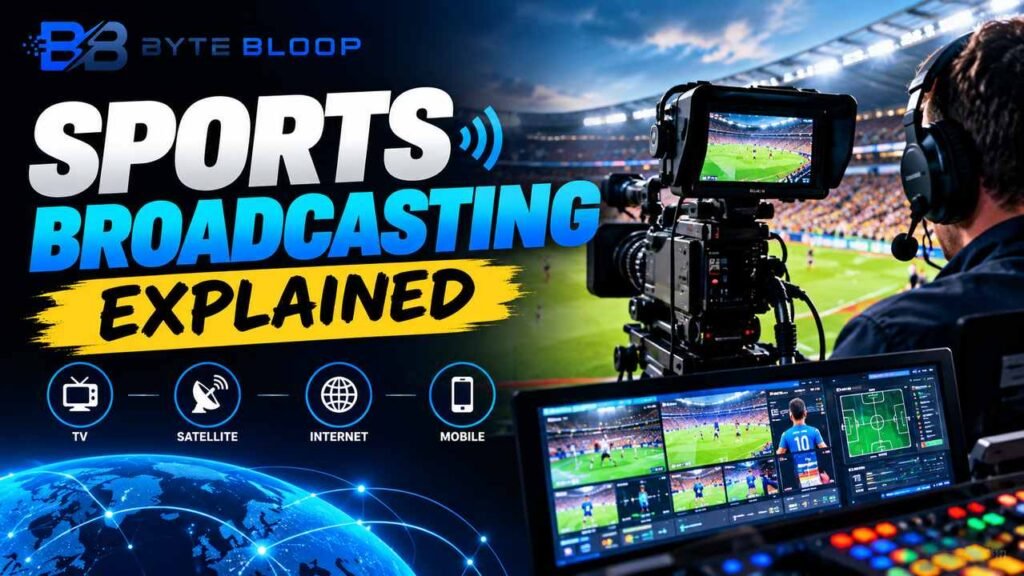
Sports Broadcasting: Explained
Introduction
Sports Broadcasting Explained is a topic worth understanding well. Sports broadcasting has evolved from simple radio commentaries to high‑definition, multi‑platform live streams that reach billions worldwide. It blends journalism, technology, and entertainment, turning athletes into global icons and sporting events into cultural phenomena. At its core, broadcasting is the transmission of audio and visual content from a live event to a dispersed audience, whether through terrestrial TV, satellite, cable, or internet streaming.
The significance of sports broadcasting lies in its ability to democratize access, create shared experiences, and generate revenue for leagues, sponsors, and broadcasters alike. The industry’s growth has been fueled by advancements in digital compression, cloud infrastructure, and interactive features that let viewers choose camera angles, stats, and real‑time commentary. In recent years, artificial intelligence has begun to automate commentary, enhance graphics, and personalize content, pushing the boundaries of what fans can expect.
Understanding the mechanics, contracts, and emerging trends of sports broadcasting is essential for anyone involved in sports media, marketing, or technology. This guide breaks down the key components, from rights negotiations to production workflows, and looks ahead to the next wave of innovation.
1. The Anatomy of a Broadcast Deal
Broadcast rights are the lifeblood of sports media. They determine who can show a game, on which platforms, and for how long. According to Sports broadcasting contracts in India, contracts typically cover domestic and international competitions, with clauses for multi‑sport events. These agreements outline exclusivity, revenue sharing, and distribution rights, ensuring that broadcasters can monetize viewership through advertising, subscriptions, and sponsorships. The legal framework in India, as detailed in Sports Broadcasting in India: All You Need To Know, protects broadcasters while also guaranteeing public access to national events.
2. Milestones That Shaped the Industry
The evolution of sports broadcasting can be traced through six key milestones highlighted by 6 milestones in sports broadcasting. From the first televised football match in the 1930s to the advent of satellite TV in the 1970s, each breakthrough expanded audience reach. The 1990s introduced digital broadcasting, while the 2000s saw the rise of high‑definition and online streaming. Today, AI‑powered solutions are redefining live production, as noted in What’s New in Sports Broadcasting Solutions and Media. These milestones illustrate how technology continuously reshapes the viewer experience.
This matters directly for anyone exploring sports broadcasting explained.
3. Production Workflow: From Field to Screen
Modern sports broadcasts rely on a complex production chain. According to Live Sports Broadcasting Equipment and Production, the process starts with on‑site cameras, microphones, and telemetry units capturing raw footage. This data is transmitted to a control room where directors, producers, and graphics operators curate the feed. Real‑time graphics overlay statistics, player bios, and play‑by‑play commentary, while AI tools can auto‑generate captions and highlight reels. The final mix is then encoded and distributed via satellite, cable, or cloud‑based streaming platforms.
Getting sports broadcasting explained right can make a real difference.
4. Multi‑Platform Distribution and Global Reach
To maximize audience engagement, broadcasters now deliver content across television, mobile apps, and web platforms. 2026 Live Sports Broadcasting Strategies for Global Reach outlines how to plan pre‑event promotion, live delivery, and post‑event analytics. Key strategies include adaptive bitrate streaming for varying bandwidths, interactive features like live polls, and localized commentary to cater to international viewers. By integrating social media feeds and real‑time data, broadcasters create a seamless, immersive experience that keeps fans connected before, during, and after the game.
That is a core part of understanding sports broadcasting explained.
5. The Role of AI and Emerging Technologies
Artificial intelligence is transforming every stage of sports broadcasting. From automated commentary that offers instant play analysis to predictive analytics that suggest camera angles, AI reduces production costs and enhances viewer engagement. What’s New in Sports Broadcasting Solutions and Media highlights AI‑powered solutions that enable seamless live streaming and audience interaction. Additionally, 5G networks promise ultra‑low latency, allowing for real‑time virtual reality experiences and on‑screen augmented reality overlays that bring fans closer to the action.
Many readers look into sports broadcasting explained for exactly this reason.
6. Challenges and Future Outlook
Despite its growth, the industry faces hurdles such as fragmented rights, high production costs, and regulatory constraints. Negotiating rights across multiple territories can be complex, especially when balancing exclusivity with public access. However, the rise of over‑the‑top (OTT) platforms and cloud infrastructure is lowering entry barriers, enabling smaller broadcasters to compete. Looking ahead, the integration of blockchain for rights management and the expansion of immersive technologies like AR/VR are poised to redefine how audiences consume sports.
It is worth revisiting sports broadcasting explained as things develop.
Key Takeaways
- Broadcast rights drive revenue and dictate platform distribution.
- Digital and AI innovations are reshaping live production and viewer interaction.
- Multi‑platform strategies are essential for global audience engagement.
- Regulatory frameworks differ by region, influencing contract negotiations.
- Emerging tech like 5G and AR/VR promise deeper fan immersion.
- Production workflows now rely heavily on real‑time data and automation.
Frequently Asked Questions
What is sports broadcasting explained?
Sports broadcasting is the transmission of live or recorded sports events to audiences via television, radio, or digital platforms, combining audio, video, and commentary to create an engaging viewing experience.
Sports Broadcasting Explained remains highly relevant here.
What are the key features of modern sports broadcasting?
Key features include high‑definition video, multi‑camera coverage, real‑time graphics, AI‑generated commentary, adaptive streaming, and interactive fan engagement tools.
This is a key consideration when it comes to sports broadcasting explained.
What are the best use cases for AI in sports broadcasting?
AI can automate commentary, generate instant highlights, predict camera angles, provide real‑time analytics, and personalize content for individual viewers.
This matters directly for anyone exploring sports broadcasting explained.
What are the pros and cons of multi‑platform distribution?
Pros: wider reach, flexible viewing options, and increased revenue streams. Cons: higher technical complexity, potential rights conflicts, and the need for robust infrastructure.
Getting sports broadcasting explained right can make a real difference.
Conclusion
Based on the available information and industry analysis, sports broadcasting provides a dynamic platform that merges technology, storytelling, and global connectivity, turning local events into worldwide spectacles. By understanding rights negotiations, production workflows, and emerging AI tools, broadcasters can deliver compelling content that meets the evolving expectations of fans, sponsors, and regulators alike.
Related Reading
- The Rise of AI in Sports Commentary
Sources & References
- Sports broadcasting contracts in India
- 6 milestones in sports broadcasting
- Broadcasting and Media Rights in Sport
- Sports Journalism: A Practical Guide – Broadcast Media
- 2026 Live Sports Broadcasting Strategies for Global Reach
- Sports Broadcasting in India: All You Need To Know
- Live Sports Broadcasting Equipment and Production
- What’s New in Sports Broadcasting Solutions and Media
Related Articles