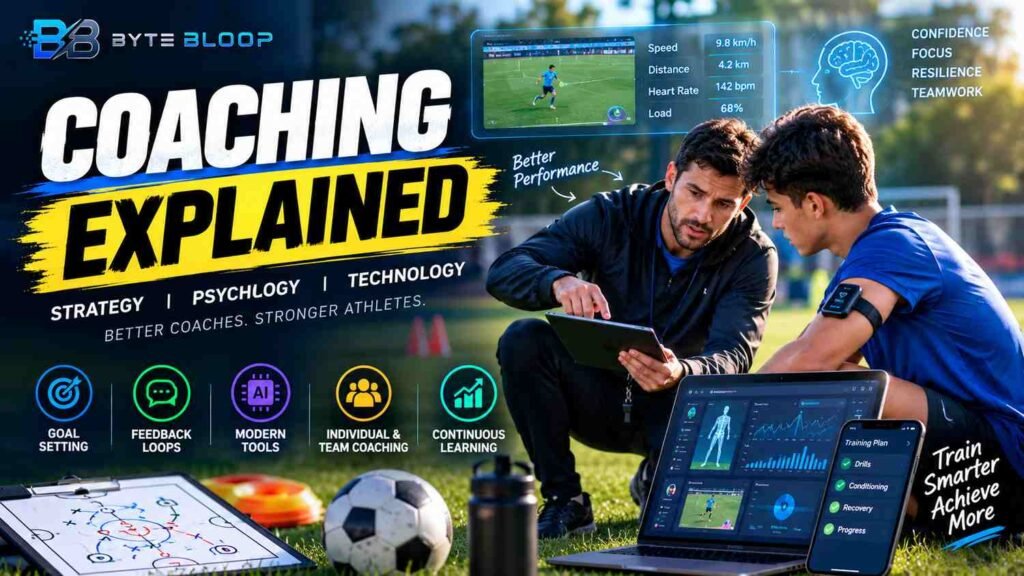
Coaching: Explained
Introduction (Coaching Explained)
Coaching Explained is a topic worth understanding well. Coaching is more than giving directions on the field; it is a dynamic partnership that blends strategy, psychology, and technology to unlock an athlete’s full potential. In sports, the coach’s influence extends from the first practice to the final whistle, shaping not only technical skills but also confidence, resilience, and teamwork. Modern coaching blends time-tested principles with cutting‑edge tools such as video analysis, AI‑driven feedback, and wearable sensors, allowing for data‑rich, personalized training plans.
Coaches now operate in a hybrid environment, balancing in‑person drills with virtual sessions, and constantly adapting to the evolving demands of high‑performance sport. Understanding coaching’s core components—goal setting, feedback loops, and continuous learning—helps athletes and parents navigate the complex landscape of athletic development. This guide breaks down the essential elements of coaching, highlights practical examples, and showcases the technologies that are redefining the profession in 2026.
Whether you’re a budding athlete, a parent, or an aspiring coach, the insights below will equip you with the knowledge to make informed decisions and elevate your game. Coaching explained is a journey of growth, communication, and innovation that shapes the future of sport.
What Does Coaching Really Involve?
At its core, coaching is a collaborative process between a trained professional and an athlete or team. According to What Is Sports Coaching?, the practice includes setting clear objectives, monitoring progress, and adjusting strategies based on performance data. Coaches act as mentors, motivators, and analysts, ensuring that each athlete’s strengths are amplified while weaknesses are addressed systematically.
Key Phases of a Coaching Cycle
The coaching cycle typically follows four stages: Planning, where goals and training schedules are established; Implementation, the execution of drills and matches; Evaluation, where performance is reviewed through metrics and observation; and Reflection, where lessons are distilled for future improvement. This cyclical approach keeps athletes on a continuous path of development.
This matters directly for anyone exploring coaching explained.
Individual vs. Team Coaching Dynamics
Research from A Comparative Analysis Between Individual and Team Sports indicates that coaching styles differ significantly between solo and group settings. Individual athletes benefit from highly personalized feedback and a focus on mental toughness, while team coaches emphasize communication, cohesion, and collective strategy. Both approaches require a deep understanding of human behavior and the ability to tailor messages to diverse personalities.
Getting coaching explained right can make a real difference.
Modern Tools Transforming Coaching in 2026
Today’s coaches have a toolbox that blends traditional equipment with sophisticated technology. Modern Sports Coaching Tools in 2026 outlines the rise of AI‑driven video analysis, which can identify subtle biomechanical flaws in real time. Wearable sensors track heart rate variability, GPS location, and load metrics, providing objective data that informs training intensity. Offline, coaches still rely on classic drills, resistance bands, and tactical boards, but now they can annotate digital footage and share insights instantly with athletes via mobile apps.
That is a core part of understanding coaching explained.
Practical Example: Youth Soccer Academy
At a youth academy, a coach might use a wearable to monitor a player’s sprint load over a week. If the data shows a sudden spike in fatigue, the coach can adjust the training plan, adding a recovery session and focusing on technique instead of volume. Meanwhile, AI‑powered video tools can break down a player’s passing angle, offering instant visual feedback that the athlete can review after practice.
Many readers look into coaching explained for exactly this reason.
Building a Coaching Philosophy
A coach’s philosophy is the lens through which all decisions are filtered. The Understanding Your Coaching Practice Guide emphasizes self‑reflection, continuous learning, and ethical responsibility. Coaches who regularly review their own practice are more adaptable, empathetic, and effective. This mindset aligns with the principles found in Coaching: Your Essential Guide for 2025, which highlights the importance of personalized support and goal alignment.
It is worth revisiting coaching explained as things develop.
Practical Tips for Aspiring Coaches
- Start with a clear mission statement that outlines your values and objectives.
- Invest in basic tech tools—video cameras, simple analytics software, and wearable basics—to begin collecting data.
- Prioritize communication; regular check‑ins build trust and reveal hidden challenges.
- Seek mentorship from experienced coaches and participate in professional development courses.
- Always document sessions; a simple log can reveal patterns that inform long‑term strategy.
Challenges and Opportunities in Coaching Today
Coaches face increasing pressure to deliver results while maintaining athlete well‑being. Balancing performance metrics with mental health is a delicate task. However, the integration of technology offers unprecedented opportunities to personalize training, monitor recovery, and prevent injuries. By embracing a data‑driven mindset, coaches can turn challenges into competitive advantages.
Coaching Explained remains highly relevant here.
Future Outlook
The next wave of coaching will likely see deeper integration of machine learning, predictive analytics, and virtual reality. Coaches who adapt early will be able to design more nuanced training regimens and create immersive learning environments that simulate game scenarios. The evolution of coaching is not just about better performance; it’s about fostering lifelong athletes who thrive both on and off the field.
This is a key consideration when it comes to coaching explained.
Key Takeaways
- Coaching blends strategy, psychology, and tech to unlock athlete potential
- Modern tools like AI video analysis and wearables provide data‑rich insights
- Coaching cycles—plan, implement, evaluate, reflect—drive continuous improvement
- Individual and team coaching require tailored communication and feedback
- Adapting to tech trends positions coaches for future success
Frequently Asked Questions
What is sports coaching?
Sports coaching is a collaborative process where a trained professional supports athletes in developing skills, improving performance, and achieving goals through personalized guidance and feedback.
This matters directly for anyone exploring coaching explained.
What are the key features of modern coaching tools?
Modern tools include AI‑driven video analysis, wearable sensors for real‑time data, and digital platforms that enable remote coaching and instant feedback.
What are the best use cases for wearable technology in coaching?
Wearables are ideal for monitoring load, fatigue, and recovery, allowing coaches to adjust training intensity and prevent injuries.
What are the pros and cons of relying heavily on technology in coaching?
Pros include data accuracy, personalized insights, and remote accessibility; cons can be over‑reliance on data, potential privacy concerns, and the need for technical literacy.
Conclusion
Based on the available information and industry analysis, coaching explained reveals a profession that has evolved from simple instruction to a sophisticated blend of psychology, data science, and technology. Coaches who master this integration can create personalized, evidence‑based training plans that not only enhance performance but also safeguard athlete well‑being. The future of coaching lies in continuous learning, ethical practice, and the strategic use of emerging tools to unlock human potential on the field.
Related Reading
- The Rise of AI in Sports Training
Sources & References
- Modern Sports Coaching Tools in 2026: Online and Offline …
- Top Sports Coaching Tools: Youth Club Guide 2026
- What Is Sports Coaching?
- A Comparative Analysis Between Individual and Team Sports
- Understanding Your Coaching Practice Guide
Related Articles