Proptech: Explained
Introduction
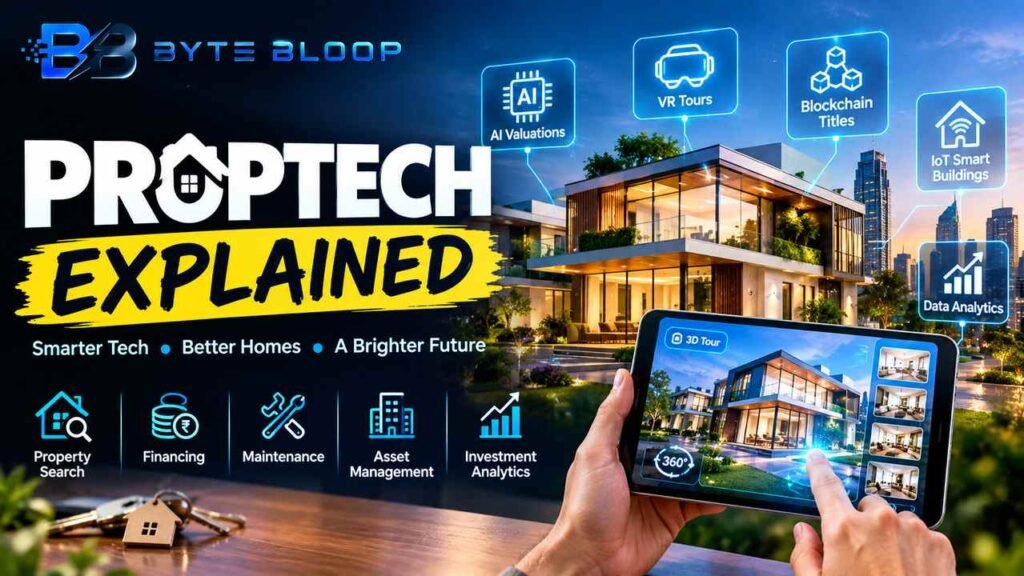
Proptech Explained is a topic worth understanding well. Proptech, short for property technology, is the digital transformation of the real‑estate sector. It blends software, data analytics, and automation to streamline everything from property search and financing to maintenance and asset management. In 2026, the industry is moving beyond simple listing sites to sophisticated ecosystems that include AI‑driven valuations, virtual reality tours, and blockchain‑based title registries. These innovations not only reduce transaction costs but also enhance transparency, speed, and user experience for buyers, sellers, investors, and operators.
The convergence of fintech, IoT, and cloud computing has turned real‑estate into a data‑rich, tech‑centric field where traditional barriers to entry are dissolving. For developers, proptech offers a fertile ground to build scalable platforms that can serve millions of users across the globe. For investors, it represents a growing market poised to double in size over the next decade. Understanding proptech’s core components, market dynamics, and development pathways is essential for anyone looking to participate in this rapidly evolving space.
What Proptech Actually Covers
At its core, proptech encompasses any technology that improves real‑estate processes. According to Proptech: The digitalization of the real estate industry, it includes software for property search, automated leasing, smart building management, and investment analytics. The scope ranges from consumer apps that let users tour homes in 3D to enterprise platforms that manage portfolios of commercial assets.
Key Technologies Driving Proptech
- Artificial Intelligence – AI algorithms predict property values, recommend listings, and automate customer support.
- Virtual and Augmented Reality – VR tours allow buyers to explore properties remotely, while AR overlays can show renovation possibilities.
- Blockchain – Immutable ledgers secure title transfers, fractional ownership, and smart contracts.
- Internet of Things (IoT) – Sensors in buildings monitor energy use, occupancy, and maintenance needs.
- Big Data & Analytics – Aggregated market data fuels market‑trend dashboards and risk assessments.
Real‑World Examples
In India, a proptech platform launched in 2026 offers AI‑powered property valuations and 3D walkthroughs, cutting the average closing time from 90 days to 45 days. Meanwhile, a U.S. company uses blockchain to tokenize commercial real‑estate assets, allowing investors to buy fractional shares with minimal paperwork. In Europe, a smart‑building suite integrates IoT sensors with cloud analytics to reduce energy consumption by 20% annually.
This matters directly for anyone exploring proptech explained.
Developing a Proptech Platform: A Phase‑by‑Phase Guide
According to the PropTech Software Development Guide 2026, building a proptech solution typically follows four phases: discovery, design, development, and deployment. The discovery phase involves stakeholder interviews and market research to define pain points. Design focuses on user experience and data architecture, ensuring scalability and security. Development leverages cloud services, microservices, and APIs to integrate third‑party data feeds. Finally, deployment includes rigorous testing, compliance checks, and continuous monitoring. The guide notes that a mid‑size platform can cost between $200,000 and $500,000, with a development timeline of 9 to 12 months.
Getting proptech explained right can make a real difference.
Market Outlook and Investment Trends
The global proptech market is projected to grow from $44.59 billion in 2026 to $104.57 billion by 2034, according to Business Fortune Insights. A separate report by Future Market Insights estimates the market will reach $230.4 billion by 2036, growing at a CAGR of 16.1%. These figures underscore the sector’s rapid expansion and the increasing appetite of venture capital for proptech startups. Investors are particularly drawn to platforms that offer data‑driven insights, automated workflows, and low customer acquisition costs.
That is a core part of understanding proptech explained.
Challenges and Risks
Despite its promise, proptech faces hurdles. Data privacy regulations, such as GDPR, require stringent compliance for user data handling. Interoperability remains an issue, as legacy real‑estate systems often lack open APIs. Additionally, the high upfront development cost can deter smaller firms. However, partnerships with traditional brokers and property managers can mitigate these risks by providing immediate market access.
Many readers look into proptech explained for exactly this reason.
Future Directions
Looking ahead, proptech is likely to see deeper integration of AI for predictive maintenance, expanded use of blockchain for land registries, and broader adoption of smart‑home devices in residential leasing. Emerging markets, particularly in Asia and Africa, are expected to adopt proptech solutions at a faster rate as infrastructure improves and digital literacy rises.
It is worth revisiting proptech explained as things develop.
Key Takeaways
- Proptech blends AI, VR, blockchain, IoT, and data analytics to streamline real‑estate processes.
- The industry is expected to more than double in size by 2034, attracting significant investment.
- Developing a proptech platform involves discovery, design, development, and deployment phases, costing $200‑$500k and taking 9‑12 months.
- Key challenges include data privacy, system interoperability, and high upfront costs.
- Future trends point to AI‑driven maintenance, blockchain land registries, and smart‑home integration.
Frequently Asked Questions
What is proptech explained?
Proptech, or property technology, refers to the use of software, data, and automation to improve how real estate is built, bought, sold, managed, and operated.
Proptech Explained remains highly relevant here.
What are the key features of proptech?
Key features include AI‑driven valuations, virtual and augmented reality tours, blockchain‑based title registries, IoT‑enabled building management, and big‑data analytics for market insights.
This is a key consideration when it comes to proptech explained.
What are the best use cases for proptech?
Use cases span consumer property search apps, investment analytics platforms, smart building management systems, and fractional ownership marketplaces.
This matters directly for anyone exploring proptech explained.
What are the pros and cons of proptech?
Pros: reduced transaction costs, increased transparency, faster closing times, and enhanced user experience. Cons: high development costs, data privacy challenges, interoperability issues, and reliance on legacy systems.
Getting proptech explained right can make a real difference.
Conclusion
Based on the available information and industry analysis, proptech represents a transformative force in real‑estate, leveraging AI, VR, blockchain, and IoT to streamline transactions, enhance transparency, and unlock new investment models. As the market continues to grow, developers and investors who adopt scalable, data‑centric platforms will be best positioned to capture the sector’s expanding opportunities.
Related Reading
- AI in Real Estate: How Machine Learning is Reshaping Property Valuations
- Blockchain Beyond Crypto: Secure Title Transfers in Proptech
Sources & References
- PropTech Software Development Guide 2026
- Proptech: The digitalization of the real estate industry
- The Complete Guide to Technology Transforming Real …
- Proptech Innovations: How Technology is Shaping the …
- Building Real Estate Technology Platforms in 2026
- A guide to PropTech (and how it’s shaking up real estate)
- PropTech Software Development: Guide for Real Estate …
- Explore the Global Proptech Market
Related Articles