Digital Infrastructure Revolutionizing Governance and Economic Growth in India
Introduction
India has been undergoing a significant transformation in recent years, driven by the rapid growth of its digital infrastructure. The country’s focus on digitalization has been a key factor in its economic growth, with the government implementing various initiatives to promote the use of technology in governance and other sectors. The impact of digital infrastructure on India’s economy and governance has been profound, with the country emerging as a major player in the global digital landscape.
The Indian government’s Digital India initiative, launched in 2015, aims to transform the country into a digitally empowered society and knowledge economy. The initiative has been instrumental in promoting the use of digital technologies, such as artificial intelligence, blockchain, and the Internet of Things (IoT), in various sectors, including healthcare, education, and finance. The government has also established several institutions and programs to support the development of digital infrastructure, including the National Digital Literacy Mission and the Digital India Land Records Modernization Program.
Background & Historical Context
India’s digital journey began in the early 1990s, with the introduction of the internet and the establishment of the National Informatics Centre (NIC). The NIC played a crucial role in promoting the use of information technology in governance and other sectors. In the early 2000s, the Indian government launched several initiatives to promote the use of technology, including the National e-Governance Plan and the State Wide Area Network (SWAN) program. These initiatives laid the foundation for the country’s digital transformation, which has gained momentum in recent years.
The Indian government’s focus on digitalization has been driven by the need to improve governance, promote economic growth, and enhance the quality of life for its citizens. The government has recognized the potential of digital technologies to transform the country’s economy and has been working to create a favorable ecosystem for the growth of the digital sector. This includes the establishment of several IT parks and special economic zones, as well as the introduction of policies and regulations to support the growth of the digital economy.
Key Details & Impact Analysis
The impact of digital infrastructure on India’s economy has been significant, with the country’s digital sector emerging as a major driver of growth. The sector has been growing at a rapid pace, with the Indian IT industry expected to reach $350 billion by 2025. The growth of the digital sector has also led to the creation of new job opportunities, with the sector employing millions of people across the country. The digital sector has also been instrumental in promoting entrepreneurship, with several Indian startups emerging as major players in the global digital landscape.
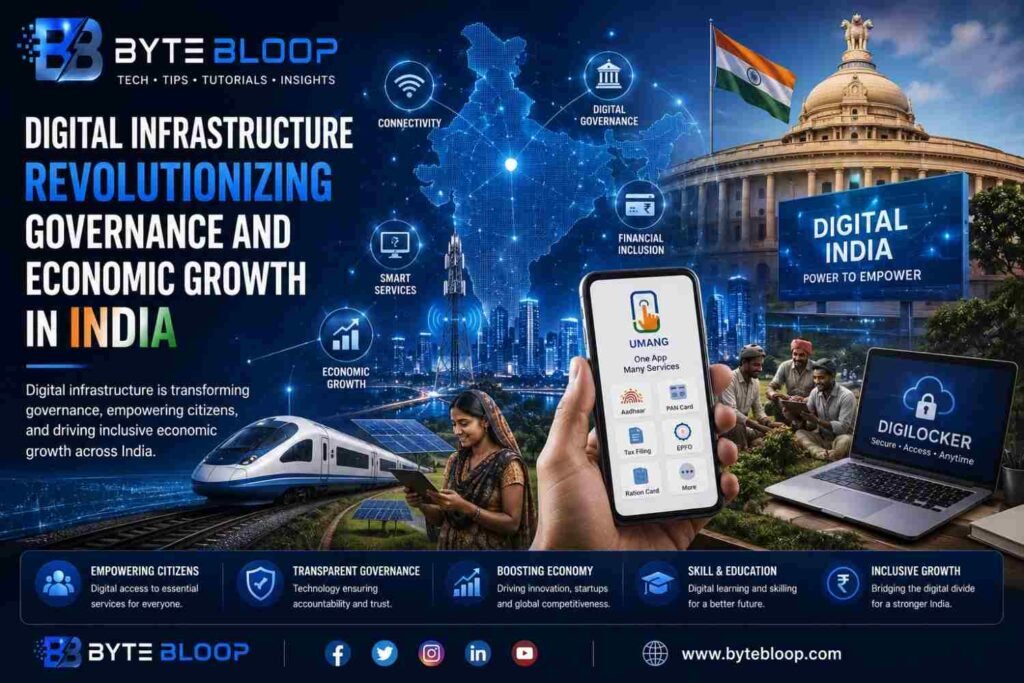
The digital infrastructure has also had a significant impact on governance, with the government using digital technologies to deliver public services and improve the efficiency of its operations. The government has launched several digital platforms, including the Umang app and the Digilocker platform, to provide citizens with access to a range of public services. The use of digital technologies has also helped to reduce corruption and improve transparency, with the government using technologies such as blockchain to track the movement of goods and services.
Frequently Asked Questions (FAQs)
What is the Digital India initiative?
The Digital India initiative is a program launched by the Indian government to promote the use of digital technologies in governance and other sectors. The initiative aims to transform India into a digitally empowered society and knowledge economy.
How has digital infrastructure impacted India’s economy?
The digital infrastructure has had a significant impact on India’s economy, with the sector emerging as a major driver of growth. The sector has been growing at a rapid pace, with the Indian IT industry expected to reach $350 billion by 2025.
What are the benefits of digital infrastructure in governance?
The digital infrastructure has several benefits in governance, including improved efficiency, reduced corruption, and enhanced transparency. The use of digital technologies has also helped to provide citizens with access to a range of public services, improving their overall quality of life.
Conclusion
In conclusion, the digital infrastructure has been instrumental in transforming governance and driving economic growth in India. The country’s focus on digitalization has been driven by the need to improve governance, promote economic growth, and enhance the quality of life for its citizens. The impact of digital infrastructure on India’s economy and governance has been profound, with the country emerging as a major player in the global digital landscape. As the country continues to invest in digital infrastructure, it is expected to play an even more significant role in shaping the country’s future.
Source: ANI News