Ujjain Mahakal Temple Stampede: Prevention Tips and Safety Insights
Introduction
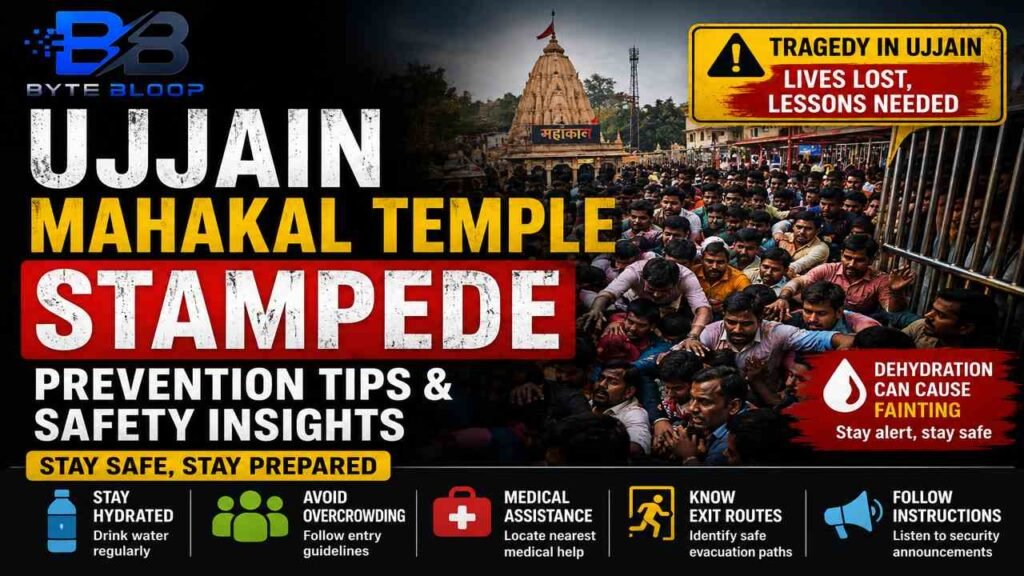
On a sweltering summer afternoon, thousands of devotees converged at the historic Mahakal Temple in Ujjain, Madhya Pradesh, to partake in a religious ceremony. What began as a spiritual gathering quickly turned chaotic when a sudden surge of people caused a stampede, resulting in multiple injuries and tragic loss of life. The incident has sparked urgent conversations about crowd safety, especially in densely populated religious sites across India.
Beyond the immediate grief, authorities and medical experts are emphasizing practical measures to curb dehydration, fainting, and crush injuries—common yet preventable hazards in mass gatherings. This article delves into the background of the tragedy, outlines key safety recommendations, and answers the most pressing questions from the public.
Background & Historical Context
Ujjain, one of Hinduism’s seven sacred cities, draws millions of pilgrims each year, particularly during the Kumbh Mela and other auspicious festivals. The Mahakal Temple, perched on the banks of the Shipra River, has long been a focal point for devotees seeking blessings from Lord Shiva. Historically, the temple has managed large crowds, but rapid urbanization, limited infrastructure, and the surge of social media-driven pilgrimages have strained traditional crowd‑control methods.
Previous incidents—such as the 2013 Varanasi Ganga Aarti crush and the 2018 Hajj stampede—have highlighted systemic gaps: inadequate real‑time monitoring, insufficient medical stations, and a lack of clear evacuation routes. In Ujjain, the combination of narrow entry points, uneven terrain, and a sudden downpour amplified the risk, culminating in the recent tragedy.
Key Details & Impact Analysis
According to the district administration, more than 5,000 devotees were present when a sudden surge at the temple’s main entrance caused a bottleneck. Witnesses reported that the crowd’s momentum was exacerbated by a sudden thunderstorm, leading to panic and a rapid loss of footing. Emergency services arrived within minutes, but the sheer density of the crowd made it difficult to reach victims quickly. Preliminary reports indicate that dehydration and heat exhaustion contributed to several fainting episodes, which in turn triggered a chain reaction of falls and crush injuries.
Medical experts stress that dehydration is a silent killer in such scenarios. When the body loses fluids faster than it can replace them—especially in hot, humid conditions—blood pressure drops, leading to dizziness or fainting. In a tightly packed crowd, a single faint can cause a domino effect, as surrounding individuals stumble or are forced to step over the fallen person, increasing the risk of spinal injuries and asphyxiation. The Ujjain incident underscores the need for proactive hydration stations, clear signage, and trained volunteers to monitor crowd vitals.
Frequently Asked Questions (FAQs)
What immediate steps can I take if I feel dehydrated at a crowded event?
Locate the nearest water dispensing point—most large events now provide free drinking water. Sip slowly rather than gulping to allow your body to absorb fluids. If water isn’t readily available, seek out shaded areas, loosen tight clothing, and apply a cool, damp cloth to your neck or forehead.
How can organizers reduce the risk of fainting and crush injuries?
Effective crowd management includes pre‑event risk assessments, staggered entry times, and clear evacuation routes. Installing temporary shade structures, providing regular hydration breaks, and deploying trained medical volunteers equipped with portable vital‑sign monitors can detect early signs of heat‑related illness. Additionally, using real‑time crowd‑density sensors and public address systems helps guide attendees away from congested zones.
What should I do if I witness someone collapsing in a dense crowd?
First, alert nearby security or medical staff—most venues have designated “first‑aid points.” If it’s safe, gently assist the person to a less crowded area and lay them flat with legs slightly elevated to improve blood flow to the brain. Avoid moving them if you suspect a spinal injury; instead, keep them still and wait for professional responders.
Conclusion
The Ujjain Mahakal Temple stampede serves as a stark reminder that spiritual devotion must be matched with robust safety protocols. By prioritizing hydration, vigilant crowd monitoring, and rapid medical response, organizers can dramatically reduce the likelihood of dehydration‑induced fainting and the subsequent crush injuries that claim lives. As pilgrims continue to flock to sacred sites, a collaborative effort between authorities, event planners, and the public is essential to ensure that reverence is celebrated safely, without tragedy.
Source: Times Now