AI Study Tools: Explained
Introduction
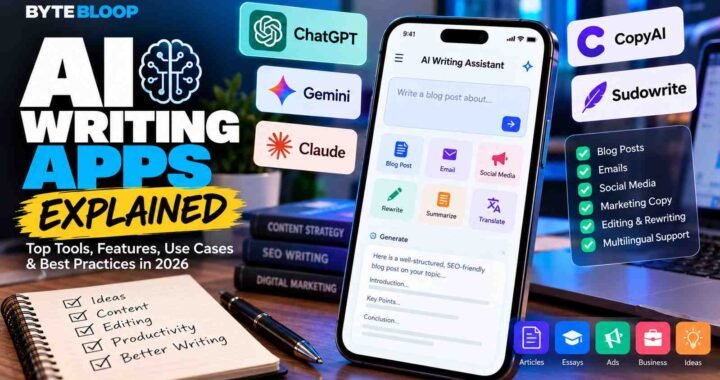
Artificial intelligence (AI) has revolutionized the way we approach education, with AI study tools being at the forefront of this transformation. These tools utilize machine learning algorithms to provide personalized learning experiences, enhancing student engagement and understanding. The integration of AI in education has led to the development of various study tools, each with its unique features and benefits. For instance, tools like ChatGPT, Gemini, and Claude have been recognized as the best AI tools to date, offering a wide range of functionalities such as answering everyday questions, conducting web searches, and assisting with tasks. The significance of AI study tools lies in their ability to cater to diverse learning needs, making them an indispensable resource for students. Moreover, these tools are not limited to a specific region, as evident from the availability of AI study tools for Indian students, which have been tested on real Indian exam content. The importance of AI study tools is further emphasized by the availability of various AI-powered programs, training, and tools offered by organizations like Google, aiming to advance AI skills and provide accessible resources.
The AI study tools have been compared and ranked based on their effectiveness for different learner types, with tools like NotebookLM, ChatGPT, Quizlet, and Anki being among the top recommendations. The cost of building and utilizing these tools is also an essential consideration, with some tools offering free services while others require subscription or one-time payments. The versatility of AI study tools is evident in their ability to assist students with various tasks, such as explaining mathematical formulas, creating essay outlines, summarizing chapters, and generating questions. Furthermore, the use of AI study tools is not limited to students, as they can also be employed by educators to create personalized learning plans, assess student progress, and develop interactive learning materials.
Key Features of AI Study Tools
The key features of AI study tools include their ability to provide personalized learning experiences, real-time feedback, and adaptive assessments. These tools can also facilitate collaboration among students, enabling them to work on group projects and share resources. Additionally, AI study tools can help students develop essential skills such as critical thinking, problem-solving, and communication. The use of natural language processing (NLP) and machine learning algorithms enables AI study tools to understand and respond to student queries, making them an effective substitute for human tutors.
Best Use Cases for AI Study Tools
The best use cases for AI study tools include assisting students with homework, providing real-time feedback, and offering personalized learning recommendations. These tools can also be used to create interactive learning materials, such as quizzes, games, and simulations. Moreover, AI study tools can help students prepare for exams, providing them with practice questions, study guides, and test-taking strategies. The use of AI study tools can also enhance student engagement, motivation, and overall learning outcomes.
Pros and Cons of AI Study Tools
The pros of AI study tools include their ability to provide personalized learning experiences, real-time feedback, and adaptive assessments. These tools can also facilitate collaboration among students, enabling them to work on group projects and share resources. However, the cons of AI study tools include the potential for over-reliance on technology, decreased human interaction, and the risk of biased or inaccurate information. Moreover, the use of AI study tools requires access to devices and internet connectivity, which can be a barrier for some students.
Practical Examples of AI Study Tools
Practical examples of AI study tools include ChatGPT, Gemini, and Claude, which have been recognized as the best AI tools to date. These tools offer a wide range of functionalities, such as answering everyday questions, conducting web searches, and assisting with tasks. Another example is NotebookLM, which has been tested on real Indian exam content and offers personalized learning recommendations. Additionally, tools like Quizlet and Anki provide interactive learning materials, such as flashcards and quizzes, to help students prepare for exams.
Key Takeaways
- AI study tools provide personalized learning experiences and real-time feedback.
- These tools can facilitate collaboration among students and help develop essential skills.
- AI study tools can be used to create interactive learning materials and prepare students for exams.
- The pros of AI study tools include personalized learning and real-time feedback.
- The cons of AI study tools include potential over-reliance on technology and decreased human interaction.
Frequently Asked Questions
What are AI study tools?
AI study tools are software applications that utilize machine learning algorithms to provide personalized learning experiences and assist students with various tasks.
What are the key features of AI study tools?
The key features of AI study tools include personalized learning experiences, real-time feedback, and adaptive assessments.
What are the best use cases for AI study tools?
The best use cases for AI study tools include assisting students with homework, providing real-time feedback, and offering personalized learning recommendations.
What are the pros and cons of AI study tools?
The pros of AI study tools include personalized learning and real-time feedback, while the cons include potential over-reliance on technology and decreased human interaction.
What are some examples of AI study tools?
Examples of AI study tools include ChatGPT, Gemini, Claude, NotebookLM, Quizlet, and Anki.
How can AI study tools be used to enhance student learning?
AI study tools can be used to enhance student learning by providing personalized learning recommendations, facilitating collaboration, and offering real-time feedback.
Conclusion
Based on the available information and industry analysis, AI study tools have the potential to revolutionize the education sector by providing personalized learning experiences and real-time feedback. As the technology continues to evolve, it is essential to address the potential drawbacks and ensure that AI study tools are used to enhance student learning outcomes.
Related Reading
- The Future of Education: How AI is Changing the Way We Learn