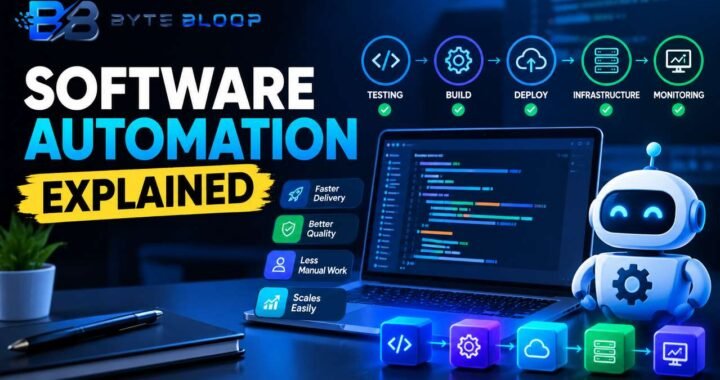
AI Writing Software: Explained
Introduction
Artificial intelligence has moved beyond chatbots and into the heart of content production. AI writing software now powers everything from quick email drafts to full-length novels, offering writers a digital collaborator that can brainstorm, outline, and polish prose in seconds. These tools leverage large language models, such as GPT‑4, Claude, and proprietary engines, to understand context, maintain tone, and suggest stylistic improvements. For marketers, students, and authors, the promise is clear: accelerate workflow, enhance creativity, and reduce the time spent on repetitive editing. Yet, the rapid evolution of models and pricing models also raises questions about reliability, originality, and ethical use. This guide demystifies the landscape of AI writing software, explains core features, evaluates pros and cons, and highlights the best options for 2026.
What Is AI Writing Software?
AI writing software refers to platforms that use machine learning to generate, edit, or optimize text. Unlike simple grammar checkers, these tools can produce coherent paragraphs, adapt to specific styles, and even generate creative fiction. They typically offer a range of functions: content generation, summarization, tone adjustment, and plagiarism detection. The underlying technology—often transformer-based models—has matured enough to handle nuanced requests, from drafting a LinkedIn post to outlining a novel’s plot.
Core Features to Look For
- Prompt Flexibility – The ability to guide the AI with detailed prompts or simple keywords.
- Style & Tone Control – Options to set formality level, brand voice, or genre.
- Multi‑Model Support – Access to several engines (e.g., GPT‑4, Claude) for varied outputs.
- Editing & Revision Tools – Real‑time grammar checks, readability scores, and plagiarism scanners.
- Collaboration Workflow – Shared documents, version history, and integration with CMS or project management tools.
- Data Privacy & Security – Clear policies on data retention and encryption.
Best Use Cases in 2026
- Marketing & Copywriting – Rapidly generate ad copy, product descriptions, and social media posts.
- Academic Writing – Draft outlines, research summaries, and citation assistance.
- Creative Writing – Brainstorm plot ideas, develop character arcs, and refine dialogue.
– Auto‑populate executive summaries and data narratives. – Draft responses and FAQs with consistent tone.
Pros of AI Writing Software
- Time savings: content can be produced in minutes.
- Consistency: maintains brand voice across channels.
- Accessibility: helps non‑native speakers and those with writer’s block.
- Cost‑effective: reduces the need for external copywriters for routine tasks.
Cons and Caveats
- Quality variance: outputs may require substantial editing.
- Plagiarism risk: some models can echo training data.
- Over‑reliance: creative uniqueness may suffer if overused.
- Data privacy concerns: sensitive content might be stored on third‑party servers.
Practical Examples
Take a marketing manager who needs a 30‑second video script. By entering a brief prompt—“Create a 30‑second script for a tech gadget launch targeting millennials”—the AI can produce multiple drafts, each with a distinct tone. The manager can then tweak the language, adjust the call‑to‑action, and finalize the script in under ten minutes. In contrast, a novelist using an AI tool can outline a 300‑page thriller, generate chapter summaries, and receive suggestions for pacing, all while retaining full creative control.
Pricing Snapshot (2026)
- ChatGPT Plus – $20/month, access to GPT‑4 with priority.
- Jasper Pro – $49/month, includes brand‑voice templates and content planner.
- Writerly – $29/month, focuses on SEO‑optimized blog posts.
- NovelAI – $15/month, tailored for fiction writers with plot‑generation tools.
Alternatives Worth Noting
- Grammarly Premium – Strong grammar and style checks, limited generation.
- Quillbot – Paraphrasing and summarization, not full content creation.
- Sudowrite – Creative writing focus with AI‑driven brainstorming.
Key Takeaways
- AI writing tools use advanced language models to generate coherent content quickly.
- Key features include prompt flexibility, tone control, and multi‑model access.
- They excel in marketing, academic, and creative writing but require careful editing.
- Privacy and plagiarism remain critical concerns for users.
- Pricing ranges from $15 to $49 per month depending on functionality.
Frequently Asked Questions
What is AI writing software explained?
AI writing software refers to platforms that use machine learning models to generate, edit, or optimize text based on user prompts, offering features beyond basic grammar checks.
What are the key features of AI writing tools?
Key features include prompt flexibility, style and tone control, multi‑model support, real‑time editing, collaboration workflows, and robust data privacy policies.
What are the best use cases for AI writing software?
Ideal for marketing copy, academic drafts, creative fiction, business reports, and customer support content where speed and consistency are valued.
What are the pros and cons of AI writing software?
Pros: rapid content creation, brand consistency, accessibility, cost savings. Cons: variable output quality, plagiarism risk, potential over‑reliance, and privacy concerns.
Conclusion
Based on the available information and industry analysis, AI writing software in 2026 offers a powerful blend of speed, versatility, and cost efficiency, yet users must remain vigilant about quality control, originality, and data privacy to fully harness its benefits.
Related Reading
- Top 10 AI Content Generators for 2026