DevOps Tools: Explained
Introduction
In the fast‑moving world of software delivery, DevOps has become the lingua franca for teams that want to ship features quickly, reliably, and with high quality. At its core, DevOps is a cultural and technical shift that blends development and operations into a single, collaborative workflow. The backbone of this shift is a suite of specialized tools that automate, monitor, and orchestrate every phase of the software lifecycle—from code commit to production monitoring. Understanding which tools fit where, and how they interoperate, is essential for any organization that wants to stay competitive in 2026.
From source control and continuous integration to security scanning and observability, the modern DevOps stack is a tightly knit ecosystem. Each tool addresses a specific pain point: reducing context‑switching, enforcing compliance, or providing real‑time insights into production health. This article walks through the most influential tools of the year, explains their primary functions, and offers practical examples of how they fit into a typical DevOps pipeline.
The Core Phases of the DevOps Lifecycle
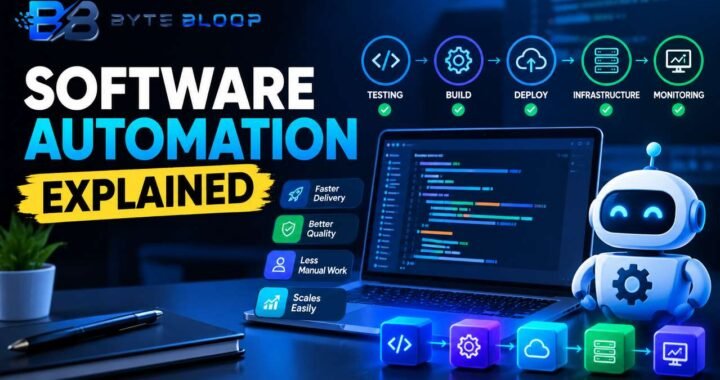
Before diving into individual tools, it helps to map the lifecycle stages that they support. Atlassian’s framework breaks the journey into seven phases: plan, code, build, test, release, deploy, and monitor. Each phase has a set of best‑practice tools that streamline tasks and enforce consistency.
1. Planning and Collaboration
Tools like Jira and Azure Boards provide agile planning, backlog grooming, and issue tracking. They integrate with code repositories to link commits to user stories, ensuring traceability from requirement to deployment.
2. Source Control
Git remains the de‑facto standard, with hosting platforms such as GitHub, GitLab, and Bitbucket offering additional collaboration features. These services support branching strategies, pull‑request reviews, and policy enforcement.
3. Continuous Integration (CI)
CI tools like Jenkins, GitHub Actions, and CircleCI automatically build and test code whenever changes are pushed. They detect integration issues early and provide feedback to developers within minutes.
4. Artifact Management
Once builds succeed, artifacts must be stored and versioned. JFrog Artifactory and Sonatype Nexus serve as universal repositories for binaries, Docker images, and Helm charts, ensuring reproducible deployments.
5. Continuous Delivery/Deployment (CD)
Tools such as Argo CD, Spinnaker, and Octopus Deploy automate the promotion of artifacts through environments. They enforce approval gates, rollbacks, and canary releases to minimize risk.
6. Configuration Management
Infrastructure as Code (IaC) platforms like Terraform and Ansible declare cloud resources and system configurations in code, enabling versioned, auditable infrastructure.
7. Monitoring and Observability
Observability stacks—Prometheus for metrics, Grafana for dashboards, and Elastic Stack for logs—provide real‑time visibility into application health. OpenTelemetry standardizes telemetry collection across services.
Key DevOps Tool Highlights for 2026
While the foundational categories above cover most needs, the 2026 landscape includes several standout tools that have risen in prominence.
- Harness Continuous Delivery – A cloud‑native CD platform that uses AI to predict and prevent failures. Its “No‑Code” pipeline editor simplifies complex deployments.
- GitHub Copilot – Leveraging large language models, Copilot offers code suggestions, auto‑completion, and even generates unit tests, accelerating the coding phase.
- SonarQube – A static code analysis tool that integrates with CI pipelines to enforce code quality gates, reducing technical debt.
- Datadog – A unified observability platform that aggregates metrics, traces, and logs, providing AI‑driven anomaly detection.
- HashiCorp Vault – Centralized secrets management that prevents hard‑coded credentials and supports dynamic secrets for microservices.
- PagerDuty – Incident response automation that routes alerts to the right team members and tracks resolution times.
Practical Use Cases
1. Microservices Deployment: Combine Docker and Kubernetes with Argo CD for declarative, automated rollouts. Use Istio for traffic management and Prometheus for metrics.
2. Security‑First Delivery: Integrate SonarQube and Checkmarx into CI pipelines. Employ OPA (Open Policy Agent) to enforce policy checks during deployment.
3. Hybrid Cloud Management: Use Terraform to provision resources across AWS, Azure, and GCP. Store state in Consul for consistency and lock management.
Pros and Cons of Popular Tool Families
CI/CD Platforms – Pros: fast feedback loops, automated testing, easy rollback. Cons: learning curve for complex pipelines, potential vendor lock‑in.
IaC Tools – Pros: reproducible infrastructure, version control, audit trails. Cons: requires disciplined change management; misconfiguration can lead to costly outages.
Observability Suites – Pros: proactive issue detection, reduced MTTR. Cons: high data volume can inflate costs; dashboards need regular tuning.
Choosing the Right Stack
Organizations should evaluate tools based on team size, cloud strategy, and compliance requirements. Smaller teams may favor all‑in‑one platforms like GitHub Actions or CircleCI, while larger enterprises often adopt a mix of open‑source and commercial solutions to maintain flexibility.
Future Trends to Watch
1. AI‑Driven Automation: More tools are embedding machine learning to predict failures and suggest remediation.
2. Zero‑Trust Security: Secrets management and identity federation are becoming first‑class citizens in pipelines.
3. Observability as a Service: Managed observability stacks reduce operational overhead and provide out‑of‑the‑box compliance reporting.
Key Takeaways
- DevOps tools span the entire software delivery lifecycle, from planning to monitoring.
- CI/CD platforms like Jenkins and GitHub Actions accelerate feedback loops.
- Infrastructure as Code tools such as Terraform enable reproducible, auditable environments.
- Observability stacks (Prometheus, Grafana, Datadog) reduce MTTR through real‑time insights.
- AI integration in tools (Harness, Copilot) is reshaping how teams build and deploy software.
Frequently Asked Questions
What is the core purpose of DevOps tools?
DevOps tools automate, monitor, and orchestrate the software delivery pipeline, enabling faster, more reliable releases.
What are the key features of a typical CI/CD tool?
Automated builds, unit and integration testing, artifact publishing, deployment pipelines, and rollback capabilities.
What are the best use cases for infrastructure as code?
Provisioning multi‑cloud environments, versioning infrastructure, and ensuring consistent, repeatable deployments.
What are the pros and cons of using a commercial observability platform?
Pros include managed services, out‑of‑the‑box dashboards, and compliance features. Cons can be higher costs and potential lock‑in.
Conclusion
Based on the available information, this topic provides essential insights for readers looking to understand the core concepts and practical applications.