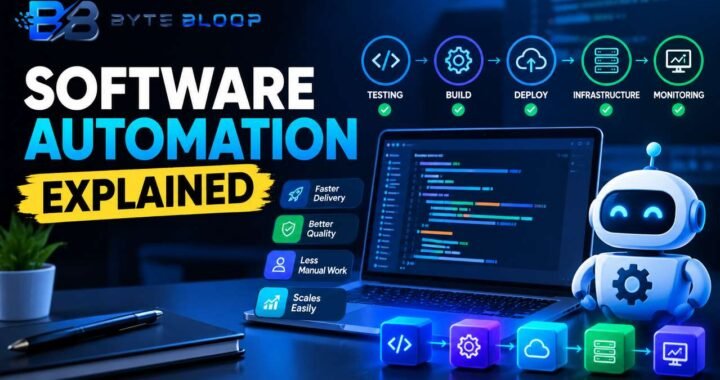
IDEs: Explained
Introduction
Integrated Development Environments, or IDEs, are the backbone of modern software development. They bundle a code editor, compiler or interpreter, debugger, and build automation tools into a single, unified interface, allowing developers to write, test, and deploy code without switching contexts. In 2026, the IDE landscape has expanded beyond traditional editors to include AI‑augmented assistants, cloud‑native workflows, and modular plug‑in ecosystems. Whether you’re a hobbyist learning Python or a DevOps engineer orchestrating microservices, the right IDE can dramatically reduce friction and accelerate delivery. This guide breaks down what IDEs are, why they matter, and how to choose the best tool for your workflow.
What Is an IDE?
An IDE is a software application that consolidates essential development tools into one place. According to IBM, it packages editors, compilers, debuggers, and other utilities so developers can focus on writing code rather than managing separate programs. SonarSource adds that IDEs also provide intelligent code analysis, refactoring assistance, and version control integration, making them indispensable for efficient coding.
Core Features That Define Modern IDEs
- Code Editor with Syntax Highlighting – Basic but essential, enabling quick visual parsing of code.
- Integrated Debugger – Step‑through execution, breakpoints, and variable inspection.
- Build & Run Automation – Scripts or tools that compile, test, and deploy with a single command.
- Version Control Integration – Git, SVN, or other systems embedded for commit, push, and merge workflows.
- Extensibility – Plug‑in or extension marketplaces that add language support or new features.
- AI Assistance – Code completion, error detection, and refactoring suggestions powered by machine learning.
Top IDEs in 2026
In 2026, the IDE ecosystem includes a mix of classic players and newcomers. According to a recent ranking, the top seven IDEs are:
- Visual Studio Code – Lightweight, extensible, and backed by Microsoft’s AI tools.
- Cursor AI – An AI‑first IDE that offers predictive coding and real‑time collaboration.
- JetBrains IntelliJ IDEA – Known for deep language analysis and a rich feature set.
- Neovim – A modern, highly configurable terminal editor with plugin support.
- PyCharm – JetBrains’ flagship for Python, with powerful debugging and testing tools.
- VS Enterprise – A full‑featured IDE for .NET and cloud workloads.
- Eclipse – Still popular in Java and embedded systems development.
Each of these tools brings a unique balance of performance, extensibility, and AI integration, making the choice largely dependent on your language stack and workflow preferences.
When to Use an IDE vs. a Simple Editor
While lightweight editors like Sublime Text or Atom are great for quick edits, IDEs shine when projects grow in size and complexity. If you need:
- Advanced debugging across multiple languages.
- Automated build pipelines and continuous integration.
- Integrated unit testing frameworks.
- Seamless collaboration on shared codebases.
an IDE will save time and reduce errors. For small scripts or quick prototypes, a simple editor may suffice.
Pros and Cons of Modern IDEs
- Pros – Centralized tools, reduced context switching, AI assistance, robust debugging.
- Cons – Higher resource usage, steeper learning curves, occasional performance lags on large projects.
Practical Examples
Consider a full‑stack JavaScript developer building a React app with a Node.js backend. Using VS Code, they can:
- Write JSX with auto‑completion.
- Run unit tests with Jest directly in the IDE.
- Debug serverless functions in the cloud via the Azure extension.
- Deploy to AWS Lambda with a single command.
Such end‑to‑end workflows demonstrate the power of an IDE to streamline development from code to deployment.
Pricing Overview
Most IDEs offer free tiers. JetBrains products require a subscription after a trial period, while VS Code remains free. Cursor AI introduces a freemium model with paid AI features. Cloud‑based IDEs like GitHub Codespaces charge per usage hour.
Key Takeaways
- IDE bundles code editing, building, and debugging into one interface
- AI features in 2026 IDEs enhance productivity and reduce errors
- Choosing an IDE depends on language stack, project size, and collaboration needs
- Free options exist, but premium plans unlock advanced AI and enterprise features
- Lightweight editors are suitable for quick tasks, while IDEs excel in complex projects
Frequently Asked Questions
What is an IDE?
An Integrated Development Environment is a software application that combines a code editor, compiler or interpreter, debugger, and build tools into a single interface, enabling developers to write, test, and deploy code efficiently.
What are the key features of modern IDEs?
Key features include syntax‑highlighted code editing, integrated debugging, build automation, version control integration, extensibility through plug‑ins, and AI‑powered code assistance.
What are the best use cases for an IDE?
IDEs are ideal for medium to large projects that require debugging, automated testing, continuous integration, and collaboration across teams.
What are the pros and cons of using an IDE?
Pros: centralized tools, reduced context switching, AI assistance, robust debugging. Cons: higher memory usage, learning curve, occasional performance issues on very large codebases.
Conclusion
Based on the available information and industry analysis, IDEs in 2026 provide a unified, AI‑enhanced environment that streamlines coding, debugging, and deployment, making them indispensable for developers who need efficiency and collaboration in modern software projects.
Related Reading
- Top 5 AI‑Powered Code Editors