Sports Wear: Explained
Introduction
Sports wear, also called activewear, is the apparel designed specifically for athletic activity or general physical exercise. It blends performance technology with style, allowing athletes and fitness enthusiasts to move comfortably while staying cool, dry, and supported. Modern sports wear extends beyond the gym, influencing everyday fashion as well; many brands now offer versatile pieces that transition from workout to streetwear. The core of sports wear is its fabric: engineered blends that wick moisture, offer compression, and provide breathability. Design trends in 2026 favor minimalism, neutral palettes, and adaptive compression zones that adapt to body movement. These innovations not only improve performance but also cater to a broader demographic, including women and older athletes. Understanding the functional differences between sports bras, leggings, and performance tees is key to making informed choices. With the global sports apparel market projected to reach $325.21 billion by 2034, staying updated on trends and technology is more important than ever.
What Defines Sports Wear?
At its core, sports wear is engineered for movement. Unlike everyday clothing, it prioritizes stretch, moisture management, and weight distribution. Key materials include polyester, nylon, spandex, and newer blends that integrate recycled fibers. These fabrics are engineered to keep sweat away from the skin, reduce friction, and provide targeted compression to support muscles during high-intensity activity.
Sport‑Specific vs. General Activewear
Sport‑specific items—such as cycling jerseys, running shorts, or yoga pants—are tailored to the demands of a particular activity. They feature aerodynamic cuts, reflective elements, or extra ventilation. General activewear, meanwhile, offers versatility: a pair of joggers can be worn for a run, a gym session, or a casual outing. The choice depends on the intensity, environment, and personal preference.
2026 Trends Shaping the Market
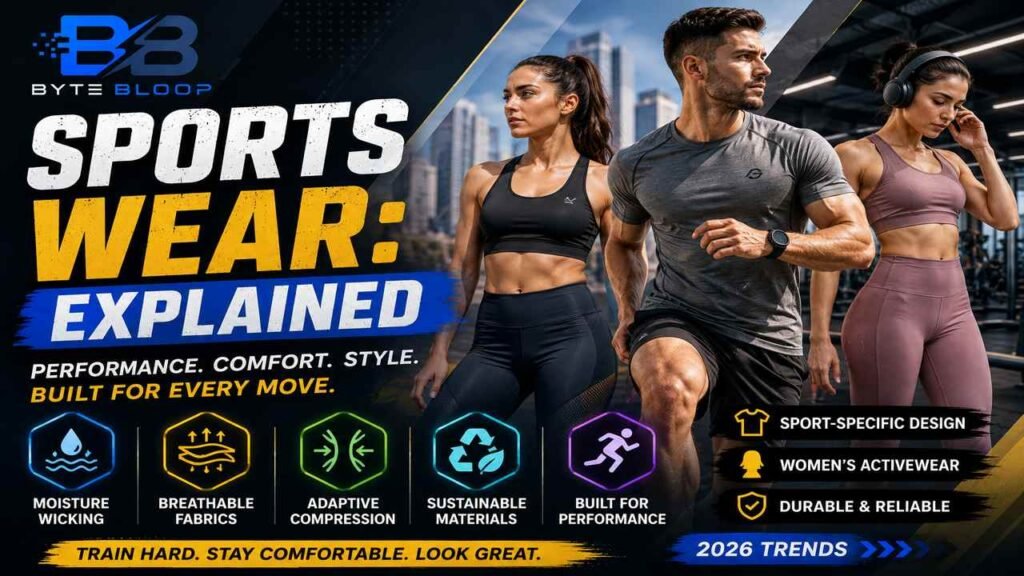
Recent research highlights three main trends. First, minimalism is taking over: neutral colors and clean silhouettes replace bold patterns. Second, adaptive compression is becoming standard, with leggings and sports bras that adjust pressure zones to match muscle groups. Third, sustainability is driving the adoption of recycled polyester and organic cotton, appealing to eco‑conscious consumers. These shifts are reflected in the top picks for 2026, which emphasize lightweight, breathable, and versatile designs.
Choosing the Right Gear for Your Activity
When selecting sports wear, consider the primary activity. For high‑impact sports like basketball or tennis, look for high‑density compression fabrics that support joints and reduce vibration. Running apparel should prioritize airflow and moisture wicking, often featuring mesh panels and reflective detailing. For low‑impact workouts such as yoga, prioritize stretchability and breathability, with fabrics that stay flat against the body to avoid chafing.
Women’s Sports Wear: A Growing Segment
Women’s activewear has expanded beyond basic leggings and sports bras. In India, for example, women now have access to a wide range of options from track pants to joggers, each designed with specific workouts in mind. Adjustable straps, built‑in support, and adaptive compression zones cater to diverse body types and activity levels. The market’s growth is mirrored by the rising demand for inclusive sizing and functional designs that blend performance with fashion.
How to Maintain Your Sports Wear
Proper care extends the life of performance fabrics. Wash in cold water with a gentle cycle, avoid fabric softeners, and tumble dry on low heat or air dry. Store garments flat to prevent creasing and keep them away from direct sunlight to preserve color integrity. Following these steps ensures that moisture‑wicking and compression properties remain effective over time.
Key Takeaways
- Sports wear is engineered for performance, not just style.
- 2026 trends favor minimalism, adaptive compression, and sustainability.
- Choosing gear depends on activity intensity, environment, and personal fit.
- Proper care extends the life of performance fabrics.
- Women’s activewear now offers inclusive sizing and functional designs.
Frequently Asked Questions
What is sports wear explained?
Sports wear refers to athletic clothing and footwear designed to enhance performance, comfort, and safety during physical activity, featuring moisture‑wicking fabrics, compression zones, and ergonomic cuts.
What are the key features of 2026 sports wear?
The 2026 lineup emphasizes minimal color palettes, adaptive compression that adjusts to muscle groups, lightweight breathable fabrics, and a focus on sustainability through recycled materials.
What are the best use cases for sport‑specific apparel?
Sport‑specific items excel in high‑intensity or specialized activities: cycling jerseys for aerodynamics, running shorts for ventilation, yoga pants for stretch and support, and tennis shirts for moisture control.
What are the pros and cons of using compression garments?
Pros include muscle support, reduced fatigue, and improved circulation. Cons can be discomfort if fit is too tight, potential restriction of movement, and higher cost compared to non‑compression gear.
Conclusion
Based on the available information and industry analysis, sports wear provides a science‑backed foundation for athletic performance, blending advanced fabrics, ergonomic design, and sustainability. As the global market expands, consumers benefit from tailored options that cater to specific sports, gender inclusivity, and evolving style preferences. By selecting gear that aligns with activity demands and maintaining proper care, athletes and fitness enthusiasts can maximize comfort, safety, and longevity in their workout wardrobe.
Related Reading
- The Rise of Eco‑Friendly Activewear