Flagship Phones: Explained
Introduction
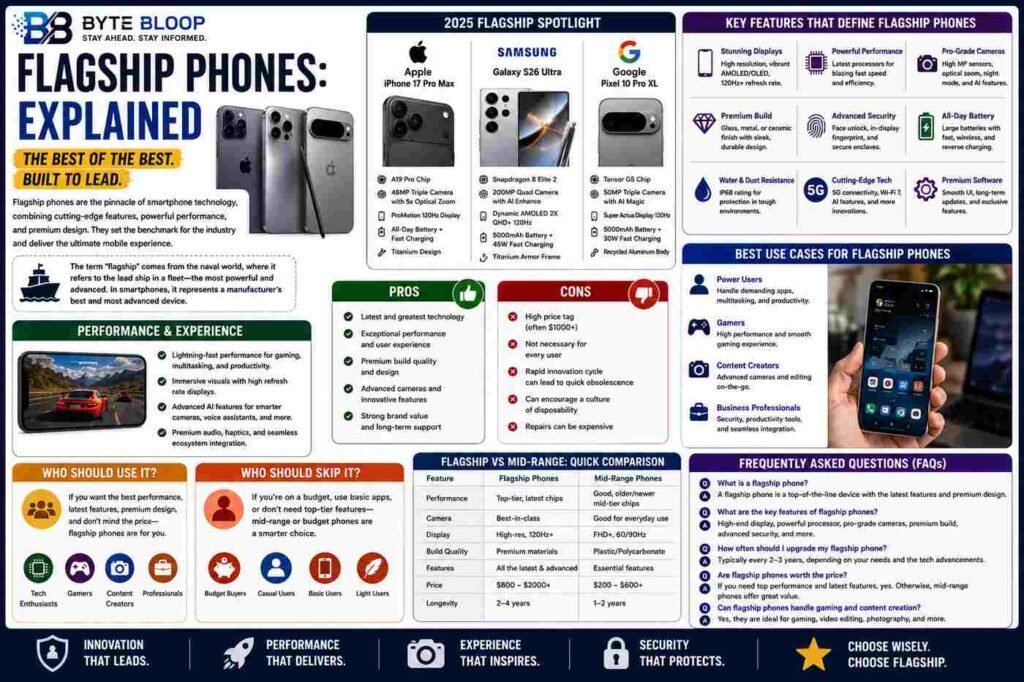
Flagship phones are the pinnacle of smartphone technology, offering the latest and greatest features, designs, and innovations. These high-end devices are typically released by top manufacturers such as Apple, Samsung, and Google, and are designed to showcase their capabilities and set the standard for the industry. With advanced cameras, powerful processors, and sleek designs, flagship phones are the most desirable and sought-after devices on the market. They often come with a higher price tag, but for many users, the premium features and performance are well worth the investment. In recent years, the line between flagship and mid-range devices has become increasingly blurred, with many affordable options offering similar features and specs. However, true flagship phones still offer a unique combination of style, substance, and innovation that sets them apart from the competition. The latest flagship phones, such as the Apple iPhone 17 and the Samsung Galaxy S26, boast impressive specs and features, including high-resolution cameras, fast charging, and advanced biometric security.
The term ‘flagship’ originated in the naval world, where it referred to the lead ship in a fleet, typically the most powerful and advanced vessel. In the context of smartphones, the term refers to the top-of-the-line device that showcases a manufacturer’s best technology and design. Flagship phones are often used as a benchmark for the industry, with other devices compared to them in terms of features, performance, and price. They are also frequently used as a status symbol, with many users seeking to own the latest and most exclusive devices. With the constant evolution of technology, flagship phones are continually pushing the boundaries of what is possible, from foldable screens to advanced artificial intelligence-powered cameras.
Features
So, what sets flagship phones apart from other devices? Some of the key features that define flagship phones include high-resolution displays, powerful processors, advanced cameras, and premium materials. Many flagship phones also offer advanced biometric security, such as facial recognition or fingerprint scanning, as well as IP68 water and dust resistance. In terms of design, flagship phones often feature sleek and stylish bodies, with materials such as glass, metal, and ceramic. They may also include advanced features such as wireless charging, fast charging, and reverse wireless charging.
Performance/Experience
The performance and user experience of flagship phones are typically exceptional, with fast and responsive interfaces, seamless multitasking, and advanced gaming capabilities. Many flagship phones also offer advanced software features, such as AI-powered cameras, personalized assistants, and integrated health and fitness tracking. The cameras on flagship phones are often particularly impressive, with high-resolution sensors, advanced optics, and features such as optical zoom, portrait mode, and low-light enhancement. With the latest flagship phones, users can enjoy a truly immersive experience, from stunning visuals to advanced audio and haptic feedback.
Pros and Cons
While flagship phones offer many advantages, they also have some drawbacks. On the plus side, they typically offer the latest and greatest features, advanced performance, and premium designs. However, they can also be very expensive, with prices often exceeding $1000. Additionally, flagship phones may not always be necessary for every user, as mid-range devices can offer similar features and performance at a lower cost. Furthermore, the constant release of new flagship phones can create a culture of disposability, with devices becoming outdated and obsolete after just a year or two.
Who Should Use It?
Flagship phones are ideal for users who want the latest and greatest technology, advanced features, and premium designs. They are particularly suited to power users, gamers, and content creators, who require high-performance devices to handle demanding tasks and applications. Flagship phones are also a good choice for business users, who may require advanced security features, productivity tools, and integration with other devices and services.
Who Should Skip It?
On the other hand, users who are on a budget or do not require the latest and greatest features may want to consider mid-range or budget devices. These phones can offer similar performance and features at a lower cost, making them a more affordable option for many users. Additionally, users who are not interested in advanced features such as cameras, gaming, or productivity tools may not need a flagship phone, and can opt for a more basic device instead.
Key Takeaways
- Flagship phones offer the latest and greatest features, designs, and innovations
- They are typically released by top manufacturers such as Apple, Samsung, and Google
- Flagship phones often come with a higher price tag, but offer premium features and performance
- They are ideal for power users, gamers, and content creators
- Mid-range devices can offer similar features and performance at a lower cost
Frequently Asked Questions
What is a flagship phone?
A flagship phone is a high-end device that showcases a manufacturer’s best technology and design
What are the key features of flagship phones?
Flagship phones typically offer high-resolution displays, powerful processors, advanced cameras, and premium materials
Who are flagship phones suitable for?
Flagship phones are ideal for power users, gamers, and content creators who require high-performance devices
What are the pros and cons of flagship phones?
Flagship phones offer advanced features and performance, but can be expensive and may not be necessary for every user
How often should I upgrade my flagship phone?
It depends on your needs and usage, but generally, flagship phones can last for 2-3 years before becoming outdated
Conclusion
Based on the available information and industry analysis, flagship phones provide a unique combination of style, substance, and innovation that sets them apart from other devices, offering users a premium experience and advanced features, but also come with a higher price tag and may not be necessary for every user.
Related Reading
- Best Smartphones 2026