Foldable Phones: Explained
Introduction
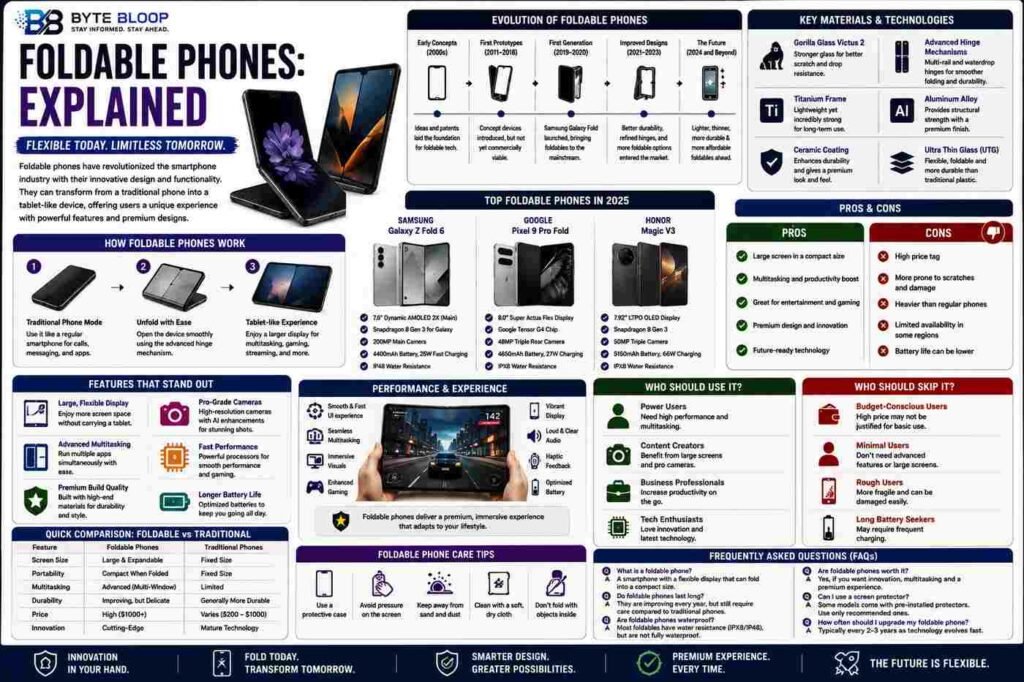
Foldable phones have revolutionized the smartphone industry with their innovative design and functionality. These devices can transform from a traditional phone into a tablet-like device, offering users a unique experience. The concept of foldable phones has been around for several years, but it wasn’t until recently that they became a reality. With the release of the first foldable phones, manufacturers such as Samsung, Motorola, and Google have been working to improve their design and functionality. One of the key benefits of foldable phones is their ability to provide a larger screen size without increasing the overall size of the device. This makes them ideal for watching videos, browsing the internet, and playing games. Additionally, foldable phones often come with advanced features such as improved cameras, faster processors, and longer battery life.
The development of foldable phones has also led to the creation of new materials and technologies. For example, the use of Gorilla Glass, titanium, aluminum, and ceramic coatings has become more prevalent in the production of foldable phones. These materials provide added durability and protection against scratches and drops. Furthermore, the introduction of new hinge designs has enabled manufacturers to create foldable phones that are more compact and easier to use. As the technology continues to evolve, we can expect to see even more innovative features and designs in the future.
Overview
Foldable phones are designed to provide a unique user experience. They typically feature a large, flexible screen that can be folded and unfolded as needed. This allows users to switch between a traditional phone mode and a tablet-like mode, depending on their needs. Foldable phones often come with advanced software features, such as multi-window mode and split-screen viewing, which enable users to multitask and be more productive. They also often include features such as improved cameras, faster processors, and longer battery life, making them ideal for a wide range of users.
Features
Foldable phones come with a range of features that set them apart from traditional smartphones. Some of the key features of foldable phones include their large, flexible screens, advanced hinge designs, and improved durability. They also often come with advanced software features, such as multi-window mode and split-screen viewing, which enable users to multitask and be more productive. Additionally, foldable phones often include features such as improved cameras, faster processors, and longer battery life, making them ideal for a wide range of users.
Performance/Experience
The performance and experience of foldable phones are highly dependent on the device and its specifications. In general, foldable phones provide a unique and innovative user experience, with their large, flexible screens and advanced software features. They are ideal for watching videos, browsing the internet, and playing games, and they often come with advanced cameras and faster processors. However, the durability and longevity of foldable phones are still a concern, as they are more prone to scratches and damage than traditional smartphones.
Pros and Cons
Foldable phones have both pros and cons. Some of the key advantages of foldable phones include their unique design and functionality, their large, flexible screens, and their advanced software features. They are ideal for users who want a device that can provide a tablet-like experience without the need for a separate tablet. However, some of the key disadvantages of foldable phones include their high cost, their fragility, and their limited availability. They are also more prone to scratches and damage than traditional smartphones, which can be a concern for some users.
Who Should Use It?
Foldable phones are ideal for users who want a device that can provide a unique and innovative user experience. They are perfect for users who want a large, flexible screen and advanced software features, such as multi-window mode and split-screen viewing. They are also ideal for users who want a device that can provide a tablet-like experience without the need for a separate tablet. However, they may not be the best choice for users who are looking for a traditional smartphone experience or who are on a budget.
Who Should Skip It?
Foldable phones may not be the best choice for users who are looking for a traditional smartphone experience or who are on a budget. They are also not ideal for users who are prone to dropping their devices or who are concerned about the durability and longevity of their phone. Additionally, foldable phones may not be the best choice for users who are looking for a device with a long battery life, as they often require more power to operate their large, flexible screens.
Key Takeaways
- Foldable phones provide a unique and innovative user experience
- They come with large, flexible screens and advanced software features
- They are ideal for users who want a device that can provide a tablet-like experience without the need for a separate tablet
- They are more prone to scratches and damage than traditional smartphones
- They are often more expensive than traditional smartphones
Frequently Asked Questions
What is a foldable phone?
A foldable phone is a type of smartphone that can transform from a traditional phone into a tablet-like device.
What are the benefits of foldable phones?
The benefits of foldable phones include their unique design and functionality, their large, flexible screens, and their advanced software features.
What are the drawbacks of foldable phones?
The drawbacks of foldable phones include their high cost, their fragility, and their limited availability.
Who are foldable phones ideal for?
Foldable phones are ideal for users who want a device that can provide a unique and innovative user experience, such as users who want a large, flexible screen and advanced software features.
What should I consider before buying a foldable phone?
Before buying a foldable phone, you should consider the cost, the durability and longevity of the device, and the availability of the device.
Are foldable phones worth the investment?
Whether or not foldable phones are worth the investment depends on your individual needs and preferences. If you are looking for a unique and innovative user experience, a foldable phone may be worth considering.
Conclusion
Based on the available information and industry analysis, foldable phones provide a unique and innovative user experience, with their large, flexible screens and advanced software features. However, they are often more expensive than traditional smartphones and may not be the best choice for users who are on a budget or who are looking for a traditional smartphone experience.
Related Reading
- The Best Smartphones of 2026