Inflation: Explained
Introduction
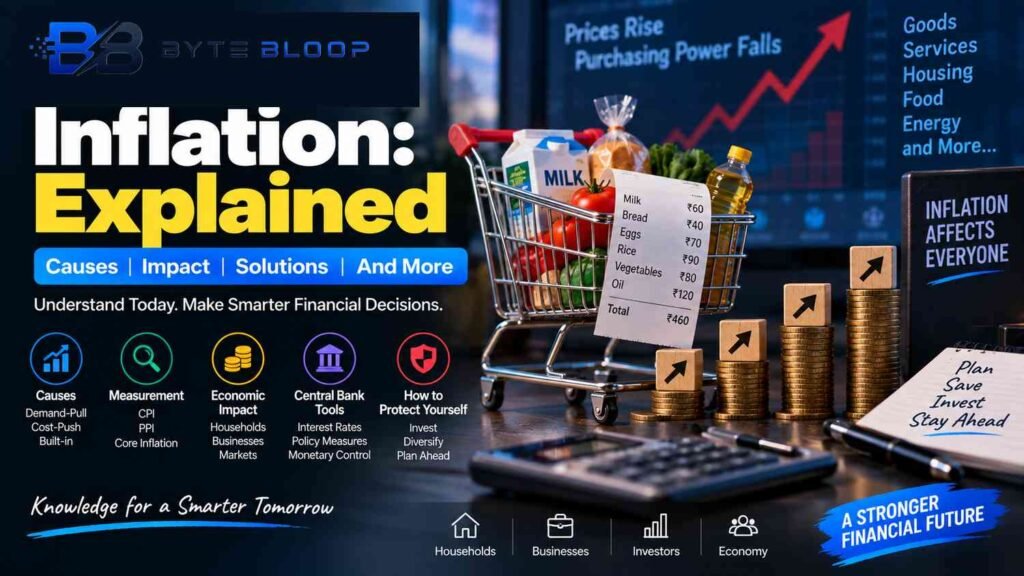
Inflation is the gradual erosion of purchasing power that occurs when the average price level of goods and services rises over time. It is measured by indices such as the Consumer Price Index (CPI) or the Producer Price Index (PPI), which track a basket of items that reflect everyday spending. When inflation runs, a dollar buys fewer goods, and wages must keep pace to maintain living standards. Central banks, like the U.S. Federal Reserve and the Bank of England, monitor inflation closely, adjusting interest rates to keep it within target ranges. Persistent high inflation can squeeze household budgets, distort investment decisions, and undermine confidence in the currency. Conversely, deflation—falling prices—can signal weak demand and trigger economic stagnation. Understanding inflation’s drivers, measurement, and policy responses is essential for investors, savers, and policymakers alike.
What Causes Inflation?
Inflation arises from a mix of demand‑pull, cost‑push, and built‑in factors. Demand‑pull inflation occurs when aggregate demand outpaces supply, pushing prices up. Cost‑push inflation stems from higher production costs, such as wage hikes or energy price spikes, that firms pass on to consumers. Built‑in inflation reflects adaptive expectations, where workers demand higher wages to keep up with living costs, creating a wage‑price spiral. Recent energy price volatility, supply chain bottlenecks, and expansive fiscal stimulus have amplified these forces in many economies.
Measuring Inflation
Economists rely on price indices to quantify inflation. The CPI tracks a representative basket of consumer goods and services, while the PPI measures prices at the wholesale level. Core inflation strips out volatile food and energy prices to reveal underlying trends. In 2026, the OECD reported a headline inflation rate of 4.2%, with underlying services inflation easing to around 4% in the U.K. These figures illustrate how policy‑driven adjustments and external shocks shape the inflation narrative.
Impact on the Economy and Households
Inflation erodes real income unless wages rise proportionally. For savers, nominal interest rates may lag behind inflation, diminishing purchasing power. Borrowers can benefit if real debt burdens shrink, but lenders face higher risk of default. On a macro level, moderate inflation encourages spending and investment, but runaway inflation can trigger currency devaluation, capital flight, and social unrest. Policymakers therefore aim for a stable, low‑to‑moderate inflation target—typically around 2% in advanced economies.
Central Bank Tools to Tame Inflation
The primary instrument is the policy interest rate. By raising rates, banks make borrowing costlier, slowing consumption and investment, which dampens demand. Conversely, lower rates stimulate borrowing and spending, potentially nudging inflation upward. Central banks also use open‑market operations, reserve requirements, and forward guidance to signal future policy paths. In 2026, the Federal Reserve and the Bank of England have kept rates near 4% to curb inflation while avoiding a sharp recession.
Practical Ways to Protect Your Finances
1. Invest in assets that historically outpace inflation. Equities, real estate, and commodities often deliver real returns over the long term. 2. Maintain a diversified portfolio. Diversification reduces exposure to sector‑specific price shocks. 3. Use inflation‑linked securities. Instruments like Treasury Inflation-Protected Securities (TIPS) adjust principal with CPI changes. 4. Monitor your cash flow. Adjust budgets to account for rising prices, especially for food, energy, and healthcare. 5. Keep an eye on wage growth. Negotiate salary increases that align with inflation trends to preserve real income.
When Inflation Is Not a Problem
Not all price rises signal harmful inflation. Seasonal price changes, such as holiday demand spikes, are short‑lived. Technological breakthroughs can lower production costs, creating deflationary pressure that benefits consumers. Understanding the difference between temporary and persistent inflation helps avoid overreacting to market noise.
Key Takeaways
- Inflation erodes purchasing power, measured by CPI and PPI.
- Central banks use interest rates to target 2% inflation in advanced economies.
- Diversified investments and inflation‑linked securities protect real returns.
- Seasonal price spikes differ from sustained inflationary trends.
- Monitoring wage growth is key to maintaining real income.
Frequently Asked Questions
What is inflation and why does it matter?
Inflation is the sustained rise in the general price level of goods and services, reducing the purchasing power of money. It matters because it affects wages, savings, borrowing costs, and overall economic stability.
How do central banks control inflation?
Central banks primarily adjust policy interest rates, conduct open‑market operations, and use forward guidance to influence borrowing, spending, and expectations, aiming to keep inflation near a target rate.
What are the main drivers of inflation?
Demand‑pull forces, cost‑push pressures such as higher energy or labor costs, and built‑in expectations of future price rises are the primary drivers.
What strategies can consumers use to guard against inflation?
Consumers can diversify investments, use inflation‑linked securities, monitor cash flow, negotiate wage increases, and adjust budgets to accommodate rising prices.
When is inflation considered moderate?
Moderate inflation typically falls within a 1–3% range in advanced economies, signaling healthy growth without eroding purchasing power excessively.
Conclusion
Based on the available information and industry analysis, inflation remains a central economic variable that shapes monetary policy, household finances, and investment decisions. By understanding its causes, measurement, and control mechanisms, individuals and businesses can better navigate price dynamics and safeguard real purchasing power.
Related Reading
- How Central Banks Use Interest Rates to Tame Inflation
- Investing in Real Assets: A Hedge Against Rising Prices
This article is for informational and educational purposes only and should not be considered financial, investment, or trading advice.
This article is for informational and educational purposes only and should not be considered financial, investment, or trading advice.