Horror Games: Explained
Introduction (Horror Games Explained)
Horror Games Explained is a topic worth understanding well. Horror games have evolved from simple jump‑scare experiments to immersive psychological thrillers that blur the line between reality and nightmare. By 2026, the genre boasts a diverse roster—from the atmospheric dread of Resident Evil Requiem to the unsettling humor of Poppy Playtime Chapter 5—each leveraging advances in graphics, AI, and narrative design to heighten fear. Players now demand more than loud noises; they crave tension that builds over time, choice‑driven outcomes, and environments that feel alive.
Understanding these elements is essential for both gamers looking to test their nerves and developers aiming to craft the next terrifying experience. This guide breaks down the core mechanics of horror games, highlights the most anticipated 2026 releases, and offers practical tips for choosing and enjoying the genre.
What Makes a Game Truly Scary?
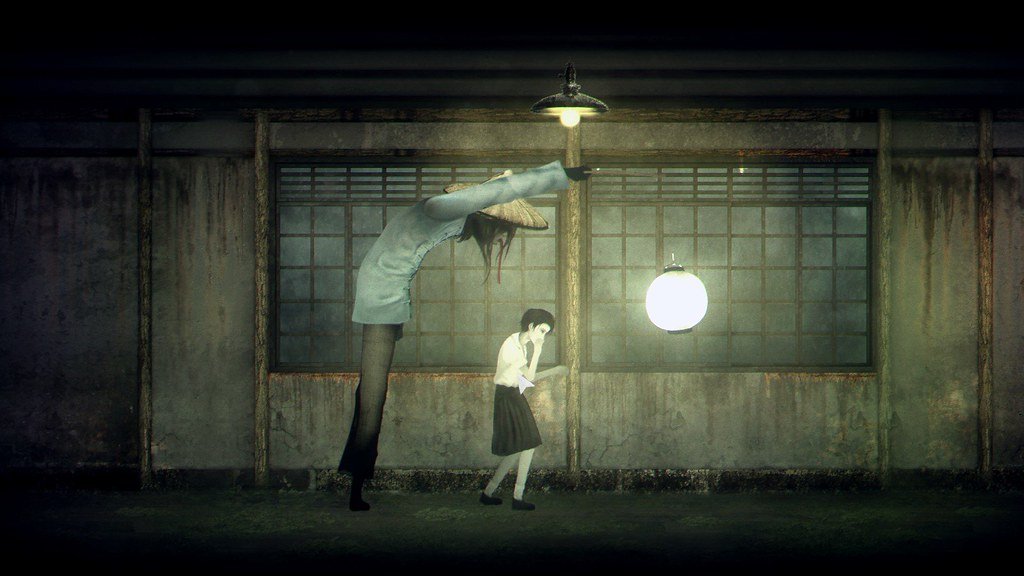
According to the Ultimate Guide to Horror Game Genres, fear is engineered through a mix of pacing, atmosphere, and player agency. Suspense is created by pacing—slow, deliberate progression that lets dread accumulate—while environmental storytelling uses lighting, sound, and visual cues to suggest unseen threats. Player choice amplifies terror: when a decision can mean life or death, the stakes feel real. Modern horror titles also employ procedural generation and adaptive AI to keep encounters fresh, ensuring that a single run is never the same as the next.
Key Features of Top Horror Games in 2026
- Immersive Audio Design – Spatial soundtracks that react to player movement heighten tension.
- Dynamic Storylines – Branching narratives that change based on exploration and moral choices.
- Realistic Physics – Objects that behave naturally, making environmental puzzles more believable.
- Psychological Horror Elements – Unsettling narratives that play on fears beyond physical threats.
- Cross‑Platform Availability – Titles like Resident Evil Requiem release on PC, PS5, Xbox, and Switch 2, broadening accessibility.
2026’s Most Anticipated Horror Releases
The gaming community is buzzing about several titles slated for 2026. Resident Evil Requiem promises a return to the franchise’s roots with a deeper survival‑crafting system, while Poppy Playtime Chapter 5 expands the series’ toy‑store nightmare into a sprawling, puzzle‑filled environment. Other notable entries include the atmospheric escape game Echoes of the Forgotten (upcoming on Android) and the VR horror experience Nightmare Nexus, which uses full‑body tracking to immerse players in a living nightmare. These games illustrate the genre’s shift toward hybrid experiences that combine narrative depth with cutting‑edge technology.
This matters directly for anyone exploring horror games explained.
Choosing the Right Horror Game for You
Not all horror games are created equal; the best choice depends on your preferred scare style. If you enjoy jump‑scares and fast‑paced action, titles like Resident Evil Requiem or Poppy Playtime deliver. For those who prefer psychological dread and atmospheric tension, games such as Echoes of the Forgotten and Nightmare Nexus offer a slower, more contemplative experience. Mobile gamers can find solid options on Android, with titles that balance performance and scare factor without requiring high-end hardware.
Getting horror games explained right can make a real difference.
Practical Tips for a Better Horror Experience
- Play in a dark room with headphones to maximize immersion.
- Adjust difficulty settings—some games allow you to fine‑tune enemy AI and resource scarcity.
- Use community guides sparingly; the joy of horror often comes from discovering secrets on your own.
- Take breaks if you feel overwhelmed—horror is meant to be thrilling, not traumatizing.
Common Questions About Horror Games
Key Takeaways
- Horror relies on pacing, atmosphere, and player choice to build tension.
- 2026’s top titles blend narrative depth with advanced AI and cross‑platform play.
- Player preference—jump‑scares vs. psychological dread—guides the best game choice.
- Practical play tips (dark rooms, headphones, difficulty settings) enhance immersion.
Frequently Asked Questions
What is the core difference between classic and modern horror games?
Classic horror games often relied on jump‑scares and limited interactivity, while modern titles emphasize atmosphere, dynamic narratives, and player agency to create sustained fear.
That is a core part of understanding horror games explained.
What are the key features of a top-tier horror game?
Immersive audio, dynamic storylines, realistic physics, psychological horror elements, and cross‑platform availability.
Many readers look into horror games explained for exactly this reason.
What are the best use cases for playing horror games?
They work well for solo play, group sessions with friends for shared thrills, and as study tools for game design students examining fear mechanics.
It is worth revisiting horror games explained as things develop.
What are the pros and cons of the most anticipated 2026 horror releases?
Pros include advanced graphics, deep narratives, and cross‑platform support; cons can be high system requirements, potential for motion sickness in VR, and sometimes repetitive pacing.
Horror Games Explained remains highly relevant here.
Conclusion
Based on the available information and industry analysis, horror games in 2026 continue to push the boundaries of fear by combining sophisticated AI, immersive audio, and branching narratives, offering players a richer and more personalized terror experience than ever before.
Related Reading
- Top 10 Survival Horror Games of All Time
- How VR is Transforming Horror Gaming
Related Articles
- Best Complete Password manager reviews features tested
- Best Backup Software Reviews Features Tested
- Effective Ai Coding Assistants Key Features
- Powerful Indian Cricket Players Explained
This is a key consideration when it comes to horror games explained.