Identity Theft Prevention: Explained
Introduction (Identity Theft Prevention Explained)
Identity Theft Prevention Explained is a topic worth understanding well. Identity theft is a growing threat that affects more than one million Americans each year, according to a 2026 guide from Security.org. It occurs when a thief uses personal data—such as a name, Social Security number, or credit card details—to commit fraud or impersonate the victim. The damage can be financial, emotional, and long‑lasting, often requiring months of effort to restore one’s credit profile. Protecting yourself therefore demands a proactive, multi‑layered approach that blends technology, habits, and vigilance. This article breaks down the core concepts of identity theft, explains why prevention matters, and offers actionable steps you can take today.
At its heart, identity theft prevention is about safeguarding the pieces of information that uniquely identify you. That includes the obvious identifiers—your SSN, driver’s license number, and bank account details—as well as less obvious data such as your email address, phone number, and even the answers to your security questions. By understanding how thieves acquire and misuse this data, you can better defend against them. The following sections outline practical strategies, backed by recent research, that will help you secure your identity across both online and offline environments.
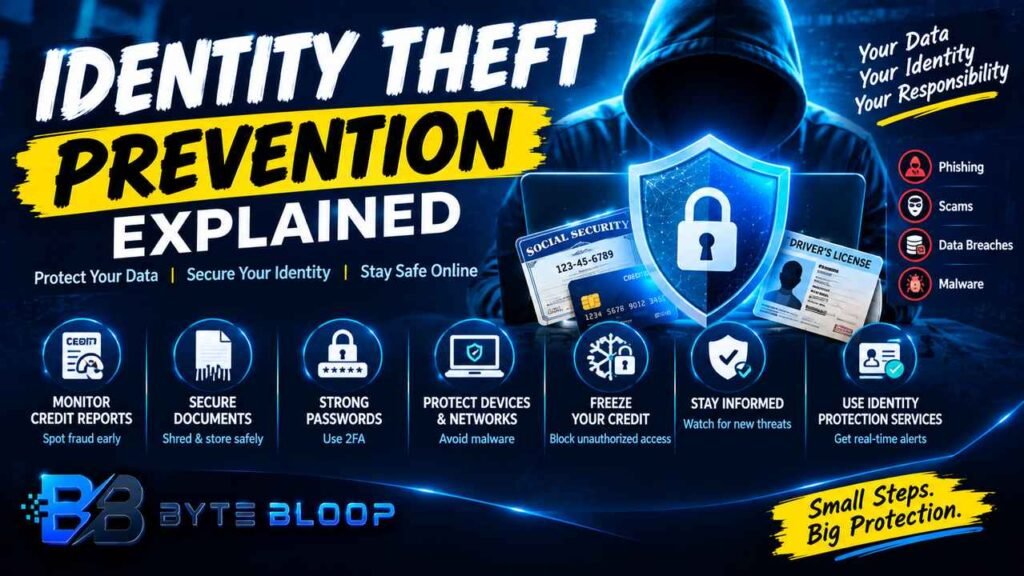
1. Monitor Your Credit and Financial Statements
Regularly reviewing your credit reports is a cornerstone of identity theft prevention. In 2026, the FTC recommends checking your reports from the three major bureaus—Equifax, Experian, and TransUnion—at least once a year. Many services now offer free annual checks, and you can also sign up for credit‑monitoring alerts that notify you of new accounts or significant changes. According to the 2026 Guide to Identity Theft Protection, monitoring can catch unauthorized activity before it spirals into larger fraud.
This matters directly for anyone exploring identity theft prevention explained.
2. Secure Your Physical Documents
Paper records are still a prime target for thieves. Shredding or securely storing documents that contain personal data—like bank statements, tax returns, and insurance policies—reduces the risk of dumpster‑dive theft. The Identity Theft Prevention Guide from Penn State University stresses that a simple shredder can be a powerful deterrent. Keep your Social Security card in a locked drawer, and avoid carrying it in your wallet unless absolutely necessary.
Getting identity theft prevention explained right can make a real difference.
3. Strengthen Your Digital Footprint
Online accounts are the most common vector for identity theft. Use strong, unique passwords for each service and enable multi‑factor authentication wherever possible. Password managers, such as those recommended by the 2026 Identity Theft Prevention & Services Guide, can generate and store complex passwords securely. Additionally, limit the amount of personal information you share on social media; the State of California’s top ten tips advise keeping your SSN, birthday, and home address private.
That is a core part of understanding identity theft prevention explained.
4. Protect Your Devices and Networks
Malware, phishing emails, and unsecured Wi‑Fi networks can all compromise your data. Install reputable antivirus software and keep it updated. Use a virtual private network (VPN) when connecting to public networks, and regularly update your operating system and applications to patch security vulnerabilities. The FTC’s guide on online security outlines common phishing tactics and advises users to verify the sender’s email address before clicking any links.
Many readers look into identity theft prevention explained for exactly this reason.
5. Freeze Your Credit When Needed
Credit freezing is a powerful tool that prevents creditors from accessing your credit file without your permission. This is especially useful if you are not planning to apply for new credit in the near future. The 2026 guide from Acronis suggests that a temporary freeze can be lifted with a PIN or password, offering flexibility while maintaining protection.
It is worth revisiting identity theft prevention explained as things develop.
6. Stay Informed About Emerging Threats
The tactics used by identity thieves evolve rapidly. Subscribing to reputable security newsletters or following trusted security blogs keeps you ahead of new scams. For instance, the Remitly blog on identity theft prevention highlights recent trends in synthetic identity fraud—where thieves combine real and fabricated data to create new identities.
Identity Theft Prevention Explained remains highly relevant here.
7. Use Identity Protection Services Wisely
Identity protection services can offer additional layers of security, such as identity monitoring, identity restoration assistance, and insurance coverage for fraud-related losses. According to the Recharge.com guide, choosing a service that provides real‑time alerts and a dedicated support line can significantly reduce the time needed to resolve incidents.
This is a key consideration when it comes to identity theft prevention explained.
Key Takeaways
- Monitor credit reports annually and use alerts to spot unauthorized activity early.
- Shred or securely store documents that contain SSNs, bank statements, and tax records.
- Use unique, strong passwords and enable multi‑factor authentication on all accounts.
- Keep devices updated, use a VPN on public Wi‑Fi, and install reputable antivirus software.
- Consider freezing your credit if you’re not applying for new credit to block unauthorized access.
Frequently Asked Questions
What is identity theft and why is it a concern?
Identity theft occurs when someone illegally obtains personal data—such as your name, Social Security number, or bank account details—and uses it to commit fraud. It can lead to financial loss, damaged credit, and long‑term personal stress.
This matters directly for anyone exploring identity theft prevention explained.
What are the key features of a comprehensive prevention strategy?
A multi‑layered approach that includes credit monitoring, secure document handling, strong passwords, device protection, credit freezes, and staying informed about new threats.
Getting identity theft prevention explained right can make a real difference.
What are the best use cases for credit freezing?
When you’re not applying for new credit, planning to move, or have had a recent data breach, freezing your credit blocks unauthorized account openings while still allowing you to access existing accounts.
What are the pros and cons of using identity protection services?
Pros include real‑time alerts, restoration assistance, and insurance coverage. Cons can be subscription costs and the need to trust the service provider with sensitive data.
Conclusion
Based on the available information and industry analysis, identity theft prevention provides a structured defense that combines monitoring, secure practices, and proactive tools to safeguard personal data. By implementing these strategies, individuals can reduce the risk of becoming victims and ensure swift recovery if an incident occurs.
Related Reading
- How to Spot a Phishing Email
- Understanding Credit Freezes and Unfreezes
Sources & References
- A 2026 Guide to Identity Theft Protection
- Identity Theft and Online Security
- Identity Theft Prevention Guide
- Identity Theft Prevention: How to Protect Yourself in 2025
- 10 Smart Ways To Prevent Identity Theft
- Identity Theft Prevention & Services Guide 2026
- Top 10 Tips for Identity Theft Protection | State of California
- Identity theft prevention and protection
Related Articles