Responsible Innovation: Explained
Introduction (Responsible Innovation Explained)
Responsible Innovation Explained is a topic worth understanding well. Responsible innovation (RI) is a framework that urges creators to anticipate, evaluate, and mitigate the social, ethical, and environmental impacts of new technologies before they reach the market. It blends foresight with stakeholder engagement, ensuring that the promise of breakthroughs—whether in AI, biotechnology, or neurotechnology—does not outpace the safeguards needed to protect users and society. By embedding risk assessment into the research and development cycle, RI helps prevent unintended consequences such as privacy erosion, inequality, or ecological harm.
The approach also promotes transparency, accountability, and inclusivity, inviting diverse voices to shape the trajectory of emerging science. In practice, RI moves beyond compliance, fostering a culture where innovation is pursued with a conscience. This article unpacks the core principles of responsible innovation, showcases real‑world examples, and offers actionable guidance for developers, policymakers, and entrepreneurs alike.
Core Principles of Responsible Innovation
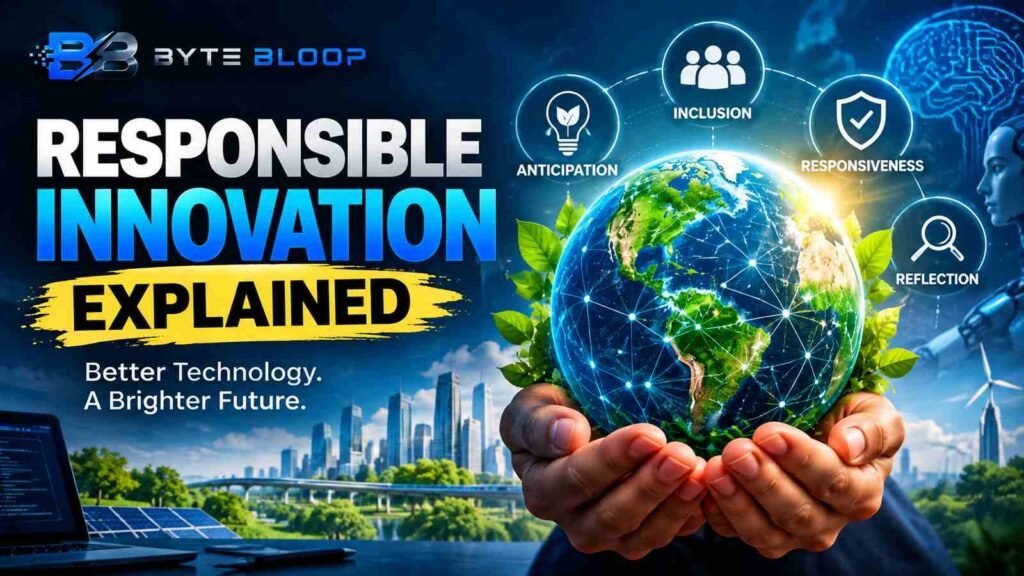
According to the Journal of Responsible Innovation, the field rests on four pillars: anticipation, reflection, inclusion, and responsiveness. Anticipation involves mapping potential risks and benefits early in the design phase. Reflection requires ongoing ethical scrutiny throughout the lifecycle. Inclusion ensures that affected communities participate in decision‑making. Responsiveness means adjusting strategies when new information emerges. Together, these principles create a dynamic feedback loop that aligns technological progress with societal values.
Why RI Matters in the Age of Rapid Tech
Emerging trends such as quantum computing, autonomous robotics, and neurotechnology are accelerating at an unprecedented pace. As highlighted in Deloitte’s 2026 tech trends report, organizations that transition from experimentation to impact must embed RI to avoid costly missteps. The United Nations’ report on AI in developing countries also stresses that responsible practices can help leverage AI for inclusive growth while minimizing risks like algorithmic bias. Without RI, disruptive science can amplify existing disparities or create new vulnerabilities.
This matters directly for anyone exploring responsible innovation explained.
Practical Steps for Implementing RI
1. Risk Mapping: Use scenario planning to identify potential social and environmental consequences. 2. Stakeholder Mapping: Engage users, regulators, and civil society early to surface concerns. 3. Ethical Audits: Apply third‑party reviews to assess compliance with ethical standards. 4. Iterative Feedback: Build mechanisms for continuous learning and course correction. 5. Transparency Portals: Publish data on decision criteria and impact assessments to build trust.
Getting responsible innovation explained right can make a real difference.
Case Studies Illustrating RI in Action
In neurotechnology, the OECD’s framework encourages developers to align device capabilities with societal norms, ensuring that brain‑computer interfaces respect privacy and autonomy. A biotech startup that adopted RI principles reported a smoother regulatory approval process by proactively addressing biosafety concerns. An AI firm that integrated inclusive design reduced algorithmic bias by involving underrepresented groups in training data curation.
That is a core part of understanding responsible innovation explained.
Challenges and Critiques
Critics argue that RI can slow innovation, introduce bureaucratic hurdles, and lack clear enforcement mechanisms. However, proponents note that the upfront investment in RI often saves time and resources by preventing costly post‑market corrections. Balancing agility with responsibility remains a central tension in the field.
Many readers look into responsible innovation explained for exactly this reason.
Key Takeaways
- RI blends foresight with stakeholder engagement to preempt tech risks
- Four pillars—anticipation, reflection, inclusion, responsiveness—guide the RI process
- Embedding RI can accelerate regulatory approval and build public trust
- Practical tools include risk mapping, ethical audits, and transparency portals
- Challenges include potential delays, but long‑term benefits outweigh initial costs
Frequently Asked Questions
What is responsible innovation?
Responsible innovation is a proactive framework that integrates risk assessment, stakeholder engagement, and ethical reflection into the development of new technologies to ensure they align with societal values.
It is worth revisiting responsible innovation explained as things develop.
What are the key features of responsible innovation?
The core features include anticipation of impacts, ongoing reflection, inclusive stakeholder participation, and responsiveness to emerging information.
Responsible Innovation Explained remains highly relevant here.
What are the best use cases for responsible innovation?
RI is most valuable in high‑impact fields such as AI, biotechnology, neurotechnology, and quantum computing where societal risks are significant.
What are the pros and cons of responsible innovation?
Pros include reduced risk of harm, smoother regulatory paths, and stronger public trust. Cons can be slower development cycles and additional compliance costs.
Conclusion
Based on the available information and industry analysis, responsible innovation provides a structured approach that balances technological advancement with societal safeguards, ensuring that new science delivers benefits while minimizing harms.
Related Reading
- AI Ethics: Balancing Innovation and Responsibility
Sources & References
- Responsible innovation for disruptive science and …
- Journal of Responsible Innovation
- Neurotechnology – Responsible innovation in neurotechnology helps ensure that advances in understanding, recording and framework for aligning neurotechnology development … in …
- Tech Trends 2026 | Deloitte Insights
- Science, technology and innovation in the age of AI
- The Making of Responsible Innovation and Technology
- Responsible Innovation for a New Era in Science and …
Related Articles