Workplace Technology: Explained
Introduction (Workplace Technology Explained)
Workplace Technology Explained is a topic worth understanding well. Workplace technology is the backbone of today’s hybrid and remote work environments, blending hardware, software, and services to streamline collaboration, communication, and operations. It encompasses everything from cloud‑based project management tools to AI‑driven analytics that help leaders make data‑backed decisions. As companies shift to flexible schedules, the need for reliable, secure, and scalable solutions has never been higher. Modern workplace tech not only supports day‑to‑day tasks but also drives innovation, enabling teams to prototype, iterate, and launch products faster.
It plays a pivotal role in employee engagement, reducing friction and fostering a sense of belonging regardless of location. Organizations that adopt a holistic technology strategy can reduce real estate expenses, improve compliance, and attract top talent. Understanding the components, trends, and best practices of workplace technology is essential for any business looking to stay competitive in 2026 and beyond.
Core Components of Workplace Technology
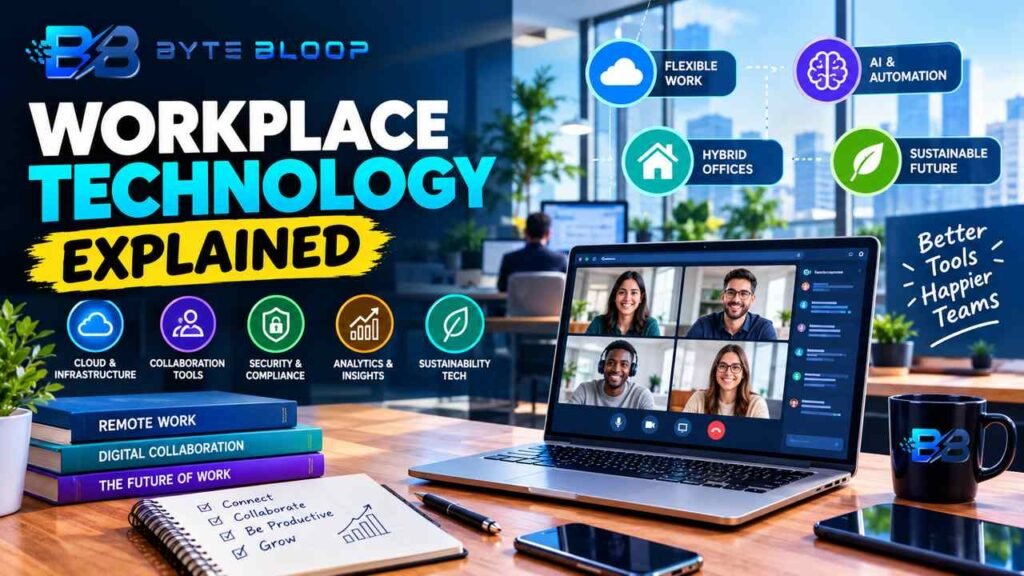
Workplace technology is typically divided into three layers: infrastructure, collaboration, and analytics. Infrastructure includes cloud services, network security, and device management that provide the foundation for all other tools. Collaboration tools—such as video conferencing, instant messaging, and shared workspaces—enable real‑time interaction across dispersed teams. Analytics platforms collect and interpret usage data, offering insights that inform strategy and identify bottlenecks.
Key Trends Shaping 2026
According to the Workplace Technology Trends for 2026 report, artificial intelligence is becoming the core of many solutions, powering everything from smart meeting scheduling to predictive maintenance of office equipment. Sustainability tech is also rising, with energy‑efficient devices and carbon‑tracking dashboards helping organizations meet ESG goals. Hybrid‑first office designs are driving demand for flexible seating solutions and IoT sensors that monitor occupancy and environmental conditions. The rise of remote work has accelerated the adoption of zero‑trust security models, ensuring that data remains protected regardless of user location.
This matters directly for anyone exploring workplace technology explained.
Benefits for Employees and Employers
Employees gain greater autonomy and work‑life balance when tools are intuitive and accessible. For employers, streamlined workflows reduce operational costs and improve time‑to‑market. Modern workplace tech also supports continuous learning, with integrated training modules and micro‑learning platforms that keep skills sharp. Companies that invest in employee experience technology report higher retention rates and stronger brand reputation.
Getting workplace technology explained right can make a real difference.
Challenges and Mitigation Strategies
Rapid technology adoption can lead to fragmented ecosystems, causing data silos and security gaps. A unified platform strategy—integrating communication, project management, and analytics—helps mitigate these risks. Another challenge is user resistance; comprehensive onboarding and ongoing support are essential to ensure high adoption rates. Finally, budget constraints can limit the ability to deploy cutting‑edge solutions; phased implementation and ROI analysis can justify incremental spending.
That is a core part of understanding workplace technology explained.
Practical Implementation Steps
- Assess Current State – Map existing tools, usage patterns, and pain points.
- Define Objectives – Align technology goals with business outcomes such as cost savings, productivity, or employee satisfaction.
- Choose an Integrated Platform – Prioritize solutions that offer APIs and native integrations to avoid data silos.
- Pilot and Iterate – Test new tools with a small group, gather feedback, and refine before full rollout.
- Measure Impact – Use analytics dashboards to track key metrics like meeting duration, task completion rates, and user engagement.
Key Takeaways
- Hybrid offices thrive on integrated tech that balances flexibility and security.
- AI and sustainability are the leading drivers of workplace tech in 2026.
- Unified platforms reduce data silos and improve ROI.
- Employee experience tech boosts retention and brand reputation.
- Phased implementation ensures budget control and high adoption.
Frequently Asked Questions
What is workplace technology?
Workplace technology refers to the tools, software, and systems that enable employees to perform their jobs efficiently and effectively, encompassing infrastructure, collaboration, and analytics layers.
Many readers look into workplace technology explained for exactly this reason.
What are the key features of modern workplace technology?
Key features include cloud‑based collaboration, AI‑driven analytics, zero‑trust security, sustainability monitoring, and integration capabilities that connect disparate systems.
It is worth revisiting workplace technology explained as things develop.
What are the best use cases for workplace technology?
Use cases range from remote meeting facilitation and project tracking to predictive HR analytics and energy‑management dashboards that support hybrid work models.
Workplace Technology Explained remains highly relevant here.
What are the pros and cons of adopting workplace technology?
Pros include increased productivity, cost savings, and improved employee experience. Cons may involve integration complexity, data security risks, and initial training overhead.
This is a key consideration when it comes to workplace technology explained.
Conclusion
Based on the available information and industry analysis, workplace technology in 2026 offers a comprehensive framework that blends AI, sustainability, and hybrid‑first design to enhance productivity, reduce real estate costs, and elevate employee experience. By adopting integrated platforms and focusing on measurable outcomes, organizations can navigate the challenges of rapid digital transformation and secure a competitive edge for the future.
Related Reading
- Future of Hybrid Work: Office Design Trends
- AI in HR: Transforming Recruitment and Retention
Sources & References
- Workplace Technology Solutions: The 2026 Guide
- What Is Workplace Technology – Examples and Solutions …
- Workplace Technology Trends for 2026: Future of Office Tech
Related Articles