AI Model APIs: Key Features
Introduction (Ai Model Apis Key Features)
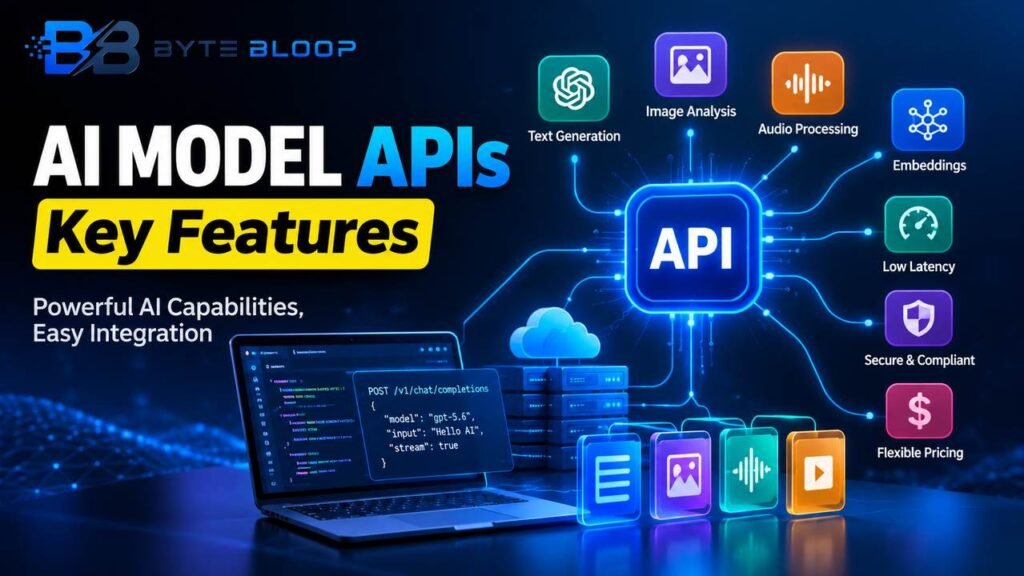
Ai Model Apis Key Features is a topic worth understanding well. AI model APIs let developers embed powerful machine‑learning capabilities into applications without building models from scratch. They expose functions such as text generation, image captioning, and embeddings through simple HTTP calls, enabling rapid prototyping and scaling. In 2026, the ecosystem has expanded to include multimodal models that handle text, image, and audio simultaneously, opening new creative possibilities. Companies now rely on these APIs to power chatbots, content moderation, and real‑time analytics. Understanding the core features helps teams choose the right provider and design efficient workflows.
First, most APIs follow a RESTful architecture, offering endpoints for inference, fine‑tuning, and batch processing. This standardization simplifies integration across languages and frameworks. Second, authentication is typically token‑based, with rate limits and usage quotas that protect both the provider and the consumer. Third, many APIs provide model selection parameters, allowing developers to switch between versions like GPT‑5.6 or Gemini‑Pro without code changes.
Key features to evaluate include input and output formats, latency, pricing tiers, and support for real‑time data feeds. For example, OpenAI’s Models API supports multilingual text and image input, while Amazon Bedrock offers a unified interface for multiple foundation models. Real‑time news integration, as highlighted by NewsData.io, enables applications to stay current without manual updates. These capabilities are crucial for finance, media, and e‑commerce sectors that demand up‑to‑date insights.
This matters directly for anyone exploring ai model apis key features.
When selecting an API, consider the breadth of supported modalities. Vision‑capable models can process images and video, whereas text‑centric APIs excel in conversational agents. Embedding generation is another valuable feature for search, recommendation, and clustering tasks. Many providers expose embeddings through the same endpoint that returns text completions, reducing the number of calls needed.
Getting ai model apis key features right can make a real difference.
Latency is a critical factor for interactive applications. Providers like Azure OpenAI Service offer dedicated low‑latency endpoints, while others rely on global CDN distribution. Monitoring tools, such as those offered by Treblle, help track response times and error rates in production. Pricing models vary: some charge per token, others per request, and a few offer flat monthly plans for high‑volume users.
That is a core part of understanding ai model apis key features.
Security and compliance also shape API choice. GDPR‑compliant data handling, on‑prem deployment options, and audit logs are common requirements in regulated industries. Providers that offer on‑prem or edge deployment, like Anthropic’s Claude, cater to organizations with strict data residency needs.
Many readers look into ai model apis key features for exactly this reason.
In practice, a typical workflow might involve sending a user query to the API, receiving a text response, and then passing that response to a downstream service for sentiment analysis. By chaining APIs, developers can build sophisticated pipelines that combine language understanding, image recognition, and structured data extraction.
It is worth revisiting ai model apis key features as things develop.
In summary, AI model APIs provide a flexible, scalable way to add intelligence to applications. By evaluating features such as modality support, latency, pricing, and compliance, teams can align the right API with their business goals and technical constraints.
Ai Model Apis Key Features remains highly relevant here.
Key Takeaways
- RESTful endpoints standardize integration
- Multimodal support expands application possibilities
- Latency and monitoring are essential for real‑time use
- Pricing models vary by token, request, or subscription
- Compliance features matter for regulated industries
Frequently Asked Questions
What is an AI model API?
An AI model API is a service that lets applications access AI capabilities through HTTP requests, providing functions like text generation, image analysis, and embeddings.
This is a key consideration when it comes to ai model apis key features.
What are the key features of AI model APIs?
Key features include RESTful architecture, token‑based authentication, multimodal input/output, real‑time data integration, low latency endpoints, and robust pricing and compliance options.
What are the best use cases for AI model APIs?
They excel in chatbots, content creation, recommendation engines, real‑time analytics, and any scenario requiring rapid deployment of advanced ML without building models from scratch.
What are the pros and cons of using AI model APIs?
Pros: quick integration, scalability, access to cutting‑edge models, and cost efficiency. Cons: dependency on external services, potential latency issues, and variable pricing structures.
Conclusion
Based on the available information and industry analysis, AI model APIs provide a versatile foundation for modern applications, enabling developers to embed sophisticated intelligence with minimal overhead. By carefully evaluating features such as multimodality, latency, and compliance, teams can select the most suitable provider to meet both business goals and technical requirements.
Related Reading
- Top 7 AI APIs for Developers in 2026
Sources & References
- REST API for AI Models Explained: 2026 Guide
- Models | OpenAI API
- 7 Top AI APIs for Developers in 2026
- Best AI APIs That Use Real-Time News Data In 2026
- What Is an AI API? 2026 Complete Guide
- AI APIs Every Software Product Should Consider in 2026
- The 15 Best AI APIs of 2026
- A comprehensive view of all AI APIs in 2026
Related Articles