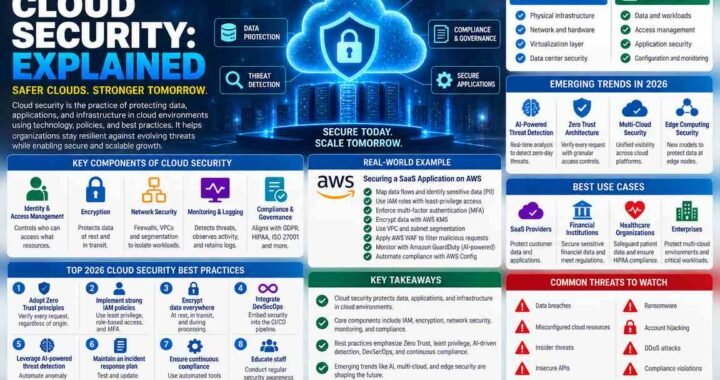
Data Breaches: Explained
Introduction
In the digital age, data breaches have become a headline‑making threat that can cripple businesses, erode consumer trust, and cost millions. A data breach occurs when unauthorized individuals gain access to confidential information, whether by exploiting software vulnerabilities, phishing, or other attack vectors. Recent research from Verizon’s 2026 Data Breach Investigations Report shows that 31% of breaches now begin with software flaws, surpassing stolen passwords as the leading entry point. The fallout can be devastating: a single breach can expose personal data, intellectual property, or financial records, leading to regulatory fines, legal action, and brand damage. Understanding the mechanics, causes, and consequences of data breaches is essential for anyone who handles data—whether a small startup or a Fortune 500 company. This guide breaks down the core concepts, highlights real‑world examples, and offers practical steps to defend against these attacks.
What Exactly Is a Data Breach?
A data breach is any security incident that results in unauthorized access to, disclosure of, or theft of sensitive information. According to IBM, the definition encompasses any event where confidential data is exposed to an unapproved party. This can range from a simple phishing email that steals login credentials to a sophisticated exploit that bypasses network defenses and exfiltrates entire databases.
Common Attack Vectors
While the tactics evolve, the most frequent entry points remain surprisingly consistent:
- Software Vulnerabilities – 31% of breaches start here. Attackers exploit unpatched bugs in operating systems, applications, or firmware.
- Phishing & Social Engineering – Deceiving users into revealing credentials or installing malware.
- Weak or Stolen Passwords – Still a major factor, especially when passwords are reused across services.
- Misconfigured Cloud Storage – Publicly accessible buckets or databases can expose terabytes of data.
Real‑World Examples
In 2026, a mid‑size healthcare provider suffered a breach that exposed 1.2 million patient records after attackers exploited an outdated web framework. The incident highlighted how legacy software can become a liability. Meanwhile, a global retailer faced a breach that leaked payment card data due to a misconfigured cloud service, costing the company over $30 million in remediation and fines.
Why Data Breaches Matter
Beyond the immediate financial hit, breaches erode customer confidence and can trigger cascading effects:
- Regulatory Penalties – GDPR, CCPA, and other frameworks impose steep fines for non‑compliance.
- Litigation Risks – Affected parties may sue for damages, leading to costly settlements.
- Reputational Damage – Negative press can reduce market share and investor confidence.
Preventing Data Breaches
Effective defense requires a layered strategy:
- Patch Management – Keep all software up to date; automate vulnerability scans.
- Zero‑Trust Architecture – Verify every access request, regardless of origin.
- Multi‑Factor Authentication (MFA) – Reduce credential‑based attacks.
- Employee Training – Regular phishing simulations and security awareness programs.
- Data Encryption – Encrypt data at rest and in transit to limit exposure.
Responding to a Breach
Speed is critical. The FTC’s Data Breach Response Guide recommends:
- Immediately isolate affected systems.
- Conduct a forensic investigation to determine scope.
- Notify stakeholders, regulators, and affected individuals within legal timeframes.
- Implement remedial measures and conduct post‑incident reviews.
Future Trends
As AI and automation grow, attackers will likely exploit new vulnerabilities faster. The 2026 DBIR indicates a shift toward “exploit‑as‑a‑service” models, where attackers rent access to pre‑built exploits. Organizations must stay ahead by investing in continuous monitoring and threat intelligence.
Key Takeaways
- Software vulnerabilities now lead data breach entry points, surpassing stolen passwords.
- A rapid, structured response can mitigate damage and regulatory penalties.
- Layered defenses—patching, MFA, zero‑trust, and encryption—are essential for prevention.
- Employee training and continuous monitoring are critical to staying ahead of evolving threats.
Frequently Asked Questions
What is a data breach?
A data breach is any security incident that results in unauthorized access to, disclosure of, or theft of confidential information.
What are the most common causes of data breaches?
Software vulnerabilities, phishing, weak passwords, and misconfigured cloud services are the leading causes.
How can businesses protect themselves?
Implement patch management, zero‑trust principles, MFA, encryption, employee training, and continuous monitoring.
What steps should be taken immediately after a breach?
Isolate affected systems, conduct a forensic investigation, notify regulators and stakeholders, and remediate vulnerabilities.
Conclusion
Based on the available information and industry analysis, data breaches represent a growing threat that increasingly originates from software vulnerabilities and misconfigured cloud services. Organizations that adopt a layered defense strategy—combining timely patching, zero‑trust principles, MFA, encryption, and robust incident response—can significantly reduce exposure and mitigate the financial and reputational fallout of a breach.
Related Reading
- How to Implement Zero‑Trust Security