Data Privacy: Explained
Introduction
Data privacy refers to the practice of properly handling, storing, and protecting personal information to prevent unauthorized access, theft, or misuse. It is a critical aspect of modern life, as individuals and organizations increasingly rely on digital technologies to collect, process, and share sensitive data. The importance of data privacy cannot be overstated, as it directly impacts individuals’ rights to autonomy, dignity, and freedom. In recent years, numerous high-profile data breaches and scandals have highlighted the need for robust data protection measures, prompting governments and regulatory bodies to enact stricter laws and guidelines. For instance, the European Union’s General Data Protection Regulation (GDPR) and the California Consumer Privacy Act (CCPA) are notable examples of comprehensive data privacy frameworks. Data privacy is not just a legal requirement; it is also essential for building trust between individuals, businesses, and governments. As technology continues to evolve, the need for effective data privacy practices will only continue to grow.
The concept of data privacy encompasses various aspects, including data collection, processing, storage, and sharing. It involves ensuring that personal information is handled in a way that respects individuals’ rights and freedoms, while also enabling organizations to use data for legitimate purposes, such as improving services, preventing fraud, or conducting research. A key challenge in implementing effective data privacy practices is striking a balance between individual rights and organizational needs. This requires a holistic approach that incorporates a combination of legal, administrative, and technical measures. By prioritizing data privacy, individuals and organizations can mitigate the risks associated with data breaches, cyberattacks, and other security threats, ultimately protecting sensitive information and maintaining public trust.
Key Principles of Data Privacy
The core principles of data privacy are outlined in various regulatory frameworks, including the GDPR and other national laws. These principles include lawfulness, fairness, transparency, purpose limitation, data minimization, accuracy, storage limitation, and accountability. Lawfulness refers to the need for a legitimate basis for processing personal data, while fairness requires that data be collected and used in a way that is transparent and respectful of individuals’ rights. Transparency involves providing clear and concise information about data processing activities, including the purposes, methods, and consequences of data collection and use.
Data Protection and Security Measures
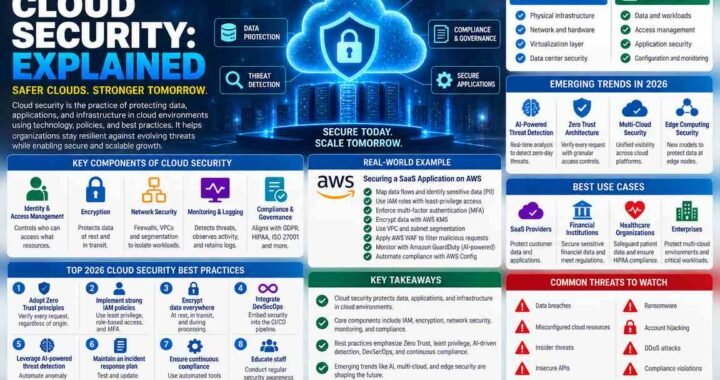
To ensure effective data protection and security, organizations should implement a range of measures, including encryption, access controls, and incident response plans. Encryption involves converting sensitive data into an unreadable format to prevent unauthorized access, while access controls limit who can access personal data and under what circumstances. Incident response plans outline procedures for responding to data breaches and other security incidents, minimizing the impact on individuals and organizations. By prioritizing data protection and security, organizations can reduce the risk of data breaches and other security threats, protecting sensitive information and maintaining public trust.
Benefits and Challenges of Data Privacy
Effective data privacy practices offer numerous benefits, including enhanced trust, improved reputation, and increased compliance with regulatory requirements. By prioritizing data privacy, organizations can demonstrate their commitment to protecting sensitive information and respecting individuals’ rights, ultimately building stronger relationships with customers, partners, and stakeholders. However, implementing effective data privacy practices can also pose challenges, including the need for significant investments in technology, training, and personnel. Additionally, data privacy laws and regulations are constantly evolving, requiring organizations to stay up-to-date with the latest developments and adapt their practices accordingly.
Practical Examples and Use Cases
There are numerous examples of effective data privacy practices in various industries and sectors. For instance, companies like Apple and Google have implemented robust data protection measures, including encryption and access controls, to safeguard sensitive information. In the healthcare sector, organizations are using secure data storage and transmission protocols to protect patient data, while in the financial sector, companies are implementing strict access controls and monitoring systems to prevent unauthorized transactions. By learning from these examples and adapting them to their own contexts, organizations can develop effective data privacy practices that balance individual rights with business needs.
- Implementing data protection by design and default
- Conducting regular data protection impact assessments
- Providing clear and concise information about data processing activities
- Establishing incident response plans and procedures
- Training personnel on data protection and security best practices
Key Takeaways
- Data privacy is a critical aspect of modern life, requiring robust measures to protect personal information
- Effective data privacy practices involve a holistic approach, incorporating legal, administrative, and technical measures
- The core principles of data privacy include lawfulness, fairness, transparency, purpose limitation, data minimization, accuracy, storage limitation, and accountability
- Organizations should prioritize data protection and security, implementing measures like encryption, access controls, and incident response plans
- Effective data privacy practices offer numerous benefits, including enhanced trust, improved reputation, and increased compliance with regulatory requirements
Frequently Asked Questions
What is data privacy?
Data privacy refers to the practice of properly handling, storing, and protecting personal information to prevent unauthorized access, theft, or misuse.
What are the key principles of data privacy?
The core principles of data privacy include lawfulness, fairness, transparency, purpose limitation, data minimization, accuracy, storage limitation, and accountability.
Why is data privacy important?
Data privacy is important because it directly impacts individuals’ rights to autonomy, dignity, and freedom, and is essential for building trust between individuals, businesses, and governments.
What are the benefits of effective data privacy practices?
Effective data privacy practices offer numerous benefits, including enhanced trust, improved reputation, and increased compliance with regulatory requirements.
What are the challenges of implementing effective data privacy practices?
Implementing effective data privacy practices can pose challenges, including the need for significant investments in technology, training, and personnel, as well as the need to stay up-to-date with evolving laws and regulations.
How can organizations prioritize data protection and security?
Organizations can prioritize data protection and security by implementing measures like encryption, access controls, and incident response plans, and by providing training on data protection and security best practices.
Conclusion
Based on the available information and industry analysis, data privacy is a critical aspect of modern life, requiring robust measures to protect personal information and respect individuals’ rights. By prioritizing data privacy and implementing effective practices, organizations can build trust, improve reputation, and maintain compliance with regulatory requirements.
Related Reading
- Data Security Regulation: Tips for Compliance
- The Importance of Cybersecurity in the Digital Age