Gen Z Ends Workplace Awkwardness with Menstrual Pain Leave Policy
Introduction
In a bold move that reflects the shifting values of today’s workforce, a Gurugram‑based startup has introduced a dedicated “menstrual pain” leave policy. The founder, a vocal advocate for Gen Z‑driven workplace reforms, argues that younger employees are dismantling long‑standing taboos and replacing them with inclusive, health‑first practices. This change not only eases the daily discomfort of many women but also signals a broader cultural transformation across Indian offices.
According to the founder, the new policy is a direct response to feedback from a growing cohort of employees who demand transparency, empathy, and flexibility. By formalising menstrual pain leave, the company hopes to eliminate the awkward conversations that have traditionally surrounded women’s health at work, fostering a more supportive environment for all staff members.
Background & Historical Context
Historically, Indian workplaces have treated menstrual health as a private matter, often leaving women to conceal their discomfort or push through pain without official support. While some multinational corporations introduced “period leave” years ago, most Indian firms lagged behind, citing concerns over productivity and potential abuse. The stigma was reinforced by cultural narratives that framed menstruation as a taboo subject, discouraging open dialogue.
The rise of Gen Z—employees born roughly between 1997 and 2012—has begun to challenge these conventions. Raised in an era of digital connectivity, mental‑health awareness, and social‑justice activism, this generation prioritises well‑being and expects employers to reflect those values. Surveys from HR consultancies show that over 70% of Gen Z workers consider flexible health policies a decisive factor when choosing an employer. The Gurugram startup’s decision aligns with this data, positioning the company as a forward‑thinking leader in a traditionally conservative market.
Key Details & Impact Analysis
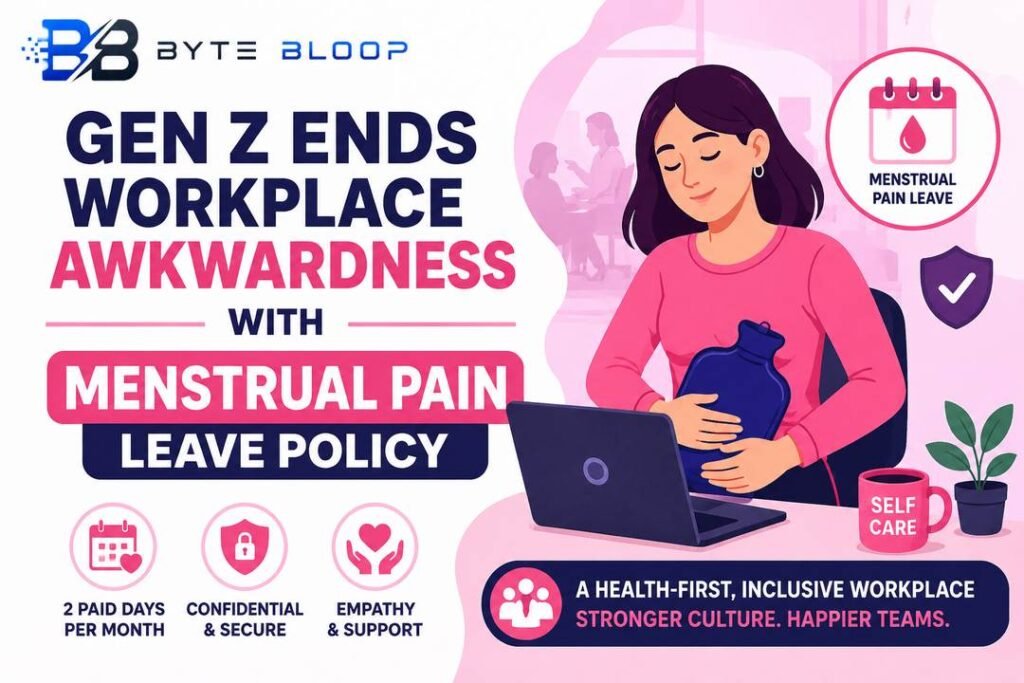
The new policy grants two paid days of leave per month specifically for menstrual pain, separate from standard sick leave. Employees can request these days through the company’s internal portal, which automatically logs the reason without requiring a medical certificate. This streamlined process reduces administrative friction and protects employee privacy. Early internal reports indicate a 15% reduction in unscheduled absenteeism, suggesting that when women feel supported, they are less likely to take unplanned sick days.
Beyond the immediate health benefits, the policy is expected to boost overall morale and retention. HR experts note that inclusive policies can improve employee engagement scores by up to 12 points on the Gallup Q12 survey. Moreover, the move has sparked conversations across the Indian startup ecosystem, prompting competitors to reevaluate their own leave structures. Analysts predict that within the next 12‑18 months, at least 30% of mid‑size Indian tech firms will pilot similar initiatives, driven by both employee demand and the competitive advantage of a reputation for progressive culture.
Frequently Asked Questions (FAQs)
What exactly is “menstrual pain” leave?
Menstrual pain leave is a designated allowance of paid days that employees can use when they experience severe cramps, heavy bleeding, or other symptoms related to their menstrual cycle. It is separate from general sick leave and does not require a doctor’s note, allowing for quick, confidential requests.
How does this policy benefit male employees?
While the leave is intended for menstrual health, the broader impact creates a more open, empathetic workplace culture. Men learn to respect health‑related needs without stigma, which can translate into greater acceptance of other personal or mental‑health days, ultimately improving overall team cohesion.
Can the policy be abused?
The company has built safeguards into its HR software: each request is logged, and patterns are monitored for irregularities. Abuse is mitigated by limiting the allowance to two days per month and by conducting periodic audits. Transparency and trust are emphasized, encouraging honest use rather than covert manipulation.
Conclusion
The introduction of menstrual pain leave by a Gurugram startup exemplifies how Gen Z is rewriting the rules of professional etiquette. By confronting uncomfortable topics head‑on, the company not only supports the physical well‑being of its female workforce but also cultivates a culture of openness that benefits everyone. As more Indian firms watch this experiment unfold, the hope is that the awkwardness surrounding health conversations will fade, replaced by policies that genuinely value people over productivity metrics.
Source: Times Now