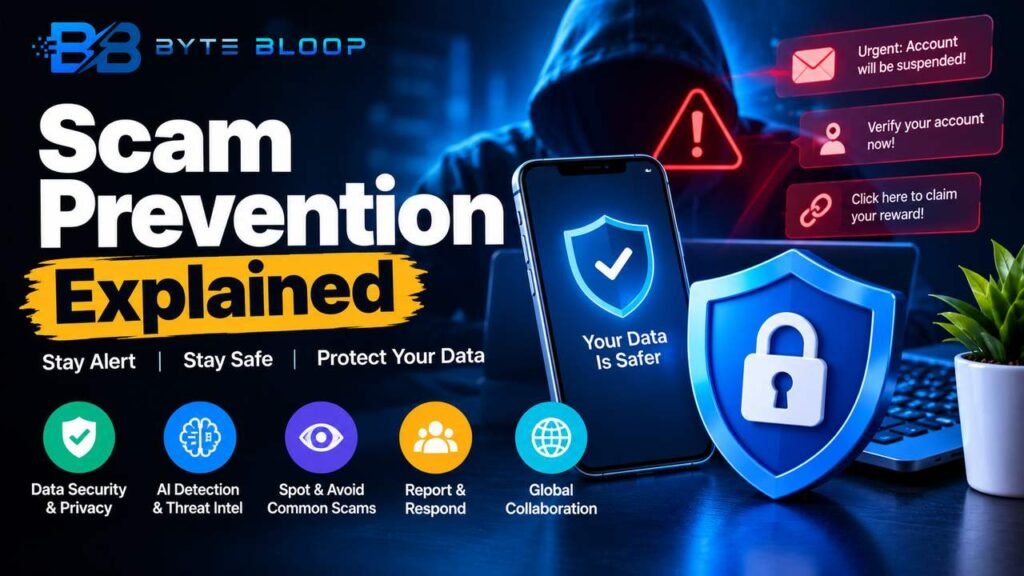
Scam Prevention Explained
Introduction
Scam prevention explained is a topic worth understanding well. Scams evolve faster than ever, with sophisticated fraudsters using AI, social engineering, and deep‑fake technology to exploit unsuspecting victims. In 2026, fraud incidents have surged 180%, underscoring the urgency of robust prevention strategies. Effective scam prevention hinges on a layered approach: strong data security, vigilant user behavior, and rapid detection tools. By understanding the fraud lifecycle—from initial lure to final exploitation—you can identify red flags before they cost you money or privacy. This guide breaks down the core tactics, offers real‑world examples, and equips you with actionable steps to safeguard your personal information, accounts, and devices.
Understanding the Fraud Lifecycle
Scammers typically follow a predictable sequence: research targets, craft tailored messages, create a sense of urgency, and harvest sensitive data or funds. According to Fraud Prevention: Best Practices for 2026, mastering this lifecycle allows defenders to anticipate moves and deploy countermeasures at each stage. For instance, phishing emails that mimic bank notifications often contain subtle typos or mismatched logos—early warning signs that can be caught with basic verification steps.
Data Security & Privacy: The First Line of Defense
Strong encryption, two‑factor authentication, and secure password managers reduce the chances of credential compromise. Data security and privacy as pillars of fraud prevention notes that policy measures—such as limiting data access and regular audits—are essential to prevent insider threats and accidental leaks. Implementing a zero‑trust model, where every access request is verified, further tightens security and minimizes the attack surface.
Practical Tips to Spot and Avoid Common Scams
- Verify the source: Before clicking links or providing information, confirm the sender’s email address or phone number against official contact lists.
- Check URLs: Hover over links to see the real domain; look for HTTPS and a legitimate certificate.
- Beware of urgency: Legitimate organizations rarely demand immediate action or threaten account suspension.
- Use official apps: Download banking or payment apps directly from app stores, not from third‑party sites.
- Monitor account activity: Regularly review statements and set alerts for unusual transactions.
Leveraging AI and Threat Intelligence
Modern fraud prevention tools use machine learning to detect anomalies in user behavior and flag suspicious patterns in real time. Fraud prevention 2026: Real‑world tactics for detection & response highlights that AI can identify phishing attempts within seconds, even before a user interacts with a malicious link. By integrating threat intelligence feeds—such as those from the ASEAN Guide on Anti‑Scam Policies—organizations can stay ahead of emerging tactics used by scammers across borders.
Case Study: Protecting Your Personal Information
In a recent FTC advisory, a consumer fell victim to a fake “account verification” call that requested Social Security numbers and credit card details. The caller used a convincing voice‑clone and referenced recent account activity. The victim, unaware of the red flags, complied and lost thousands. By contrast, a user who followed the FTC’s guidance—verifying the caller’s identity via the official number and refusing to share sensitive data—avoided the loss entirely. This illustrates the power of simple verification steps and the importance of public awareness campaigns.
Regional Efforts and Collaborative Defense
Countries are collaborating to curb cross‑border scams. The ASEAN Guide on Anti‑Scam Policies outlines joint initiatives such as shared databases of known scam numbers, coordinated public alerts, and harmonized legal frameworks. These efforts demonstrate that collective action, combined with individual vigilance, creates a formidable barrier against fraud.
When to Escalate: Reporting and Response
If you suspect a scam, report it immediately to relevant authorities—such as the FTC in the U.S., the cybercrime unit in India, or your local police. Provide all evidence, including emails, screenshots, and transaction records. Prompt reporting not only protects you but also helps authorities track and dismantle scam networks.
Key Takeaways
- Fraud incidents surged 180% in 2026, making vigilance essential
- Layered defense—data security, user awareness, AI detection—provides the strongest shield
- Verify every source, URL, and request before sharing personal data
- Regional cooperation and shared intelligence amplify prevention efforts
- Rapid reporting helps authorities trace and stop scam operations
Frequently Asked Questions
What is scam prevention explained?
Scam prevention explained refers to a comprehensive strategy that combines technical safeguards, user education, and real‑time threat detection to protect individuals and organizations from fraud and identity theft.
What are the key features of effective scam prevention?
Key features include strong data encryption, multi‑factor authentication, continuous monitoring, AI‑driven anomaly detection, user verification protocols, and collaboration with law enforcement.
What are the best use cases for AI in fraud detection?
AI excels at spotting unusual transaction patterns, flagging phishing emails, and predicting potential breaches before they occur, making it invaluable for banks, e‑commerce platforms, and government agencies.
What are the pros and cons of relying on user vigilance alone?
Pros: users can catch scams early and avoid costly mistakes. Cons: human error is common, and sophisticated scams can bypass basic checks, underscoring the need for complementary technical controls.
Conclusion
Based on the available information and industry analysis, scam prevention provides a multi‑layered shield that blends technology, policy, and user behavior. By mastering the fraud lifecycle, strengthening data security, and staying alert to red flags, individuals and organizations can reduce their risk and respond swiftly when threats emerge.
Related Reading
- Phishing: How to Identify and Block Fake Emails
Sources & References
Related Articles