Understanding Online Privacy: A Comprehensive Guide
Introduction
Online privacy refers to the protection of personal information while using the internet. It is a critical aspect of digital security, as users leave trails of personal data behind when browsing, shopping, or interacting online. The importance of online privacy cannot be overstated, as it affects not only individuals but also businesses and organizations. In today’s digital age, online privacy is a fundamental right that must be protected. With the increasing number of data breaches and cyberattacks, it is essential to understand the concept of online privacy and take necessary measures to safeguard personal information. Online privacy involves protecting sensitive information such as passwords, credit card numbers, and personal identifiable information from unauthorized access. It also includes being aware of how personal data is collected, stored, and used by online services and websites.
The concept of online privacy is complex and multifaceted, involving various stakeholders, including individuals, businesses, and governments. It requires a comprehensive approach to protect personal information from various threats, including hacking, phishing, and surveillance. Online privacy is not just about protecting personal data but also about ensuring that individuals have control over their online presence and activities. With the rise of social media, online shopping, and cloud computing, the need for online privacy has become more pressing than ever. In this article, we will delve into the world of online privacy, exploring its key aspects, benefits, and best practices for protecting personal information in the digital age.
Understanding Online Privacy Threats
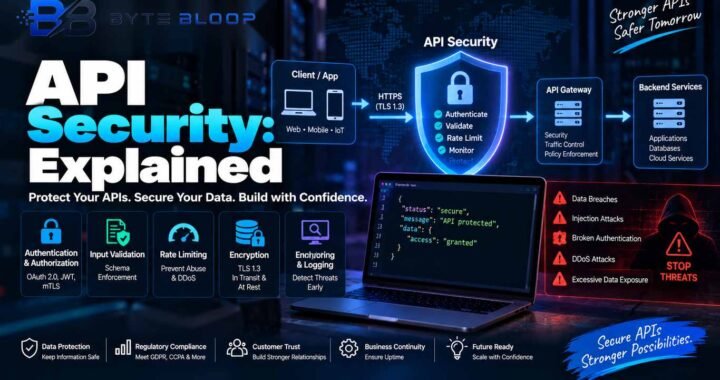
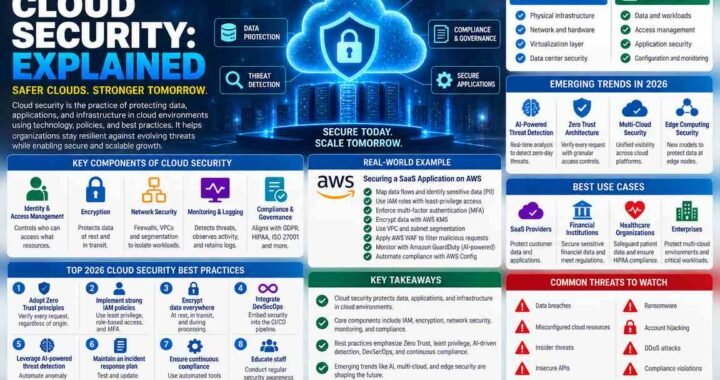
There are various online privacy threats that individuals and organizations face, including data breaches, cyberattacks, and surveillance. Data breaches occur when sensitive information is accessed or stolen by unauthorized parties, often due to weak passwords, outdated software, or phishing attacks. Cyberattacks, on the other hand, involve malicious activities such as hacking, malware, and ransomware, which can compromise personal data and disrupt online services. Surveillance is another significant threat to online privacy, as governments, businesses, and individuals may collect and monitor personal data without consent.
Best Practices for Protecting Online Privacy
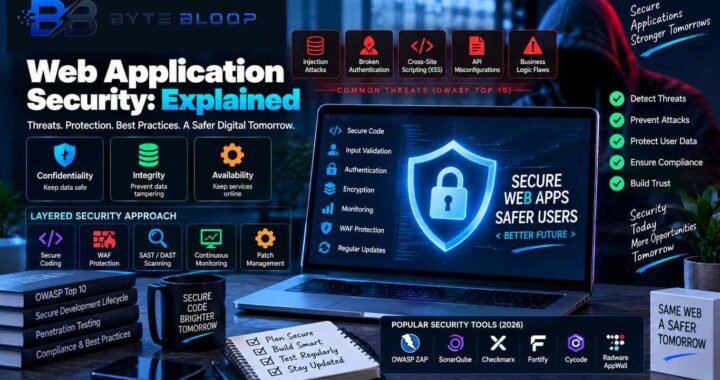
To protect online privacy, individuals and organizations can follow various best practices, including using strong passwords, enabling two-factor authentication, and keeping software up to date. It is also essential to be cautious when sharing personal information online, avoiding suspicious links and emails, and using virtual private networks (VPNs) when accessing public Wi-Fi. Additionally, individuals can use privacy-focused browsers, such as Tor, and search engines, such as DuckDuckGo, to minimize data collection and tracking. Businesses and organizations can implement robust security measures, including encryption, firewalls, and access controls, to protect sensitive information and prevent data breaches.
Online Privacy Tools and Resources
There are various online privacy tools and resources available, including password managers, VPNs, and privacy-focused browsers. Password managers, such as LastPass and 1Password, can help individuals generate and store strong, unique passwords for each online account. VPNs, such as ExpressVPN and NordVPN, can encrypt internet traffic and protect personal data when accessing public Wi-Fi. Privacy-focused browsers, such as Tor and Brave, can block tracking cookies and scripts, minimizing data collection and surveillance. Individuals can also use online privacy resources, such as Privacy Guides and the Electronic Frontier Foundation, to learn about online privacy and stay up to date with the latest developments and best practices.
Key Takeaways
- Online privacy is a critical aspect of digital security that affects individuals, businesses, and organizations
- Protecting online privacy involves understanding online privacy threats, such as data breaches, cyberattacks, and surveillance
- Best practices for protecting online privacy include using strong passwords, enabling two-factor authentication, and keeping software up to date
- Individuals and organizations can use online privacy tools and resources, such as password managers, VPNs, and privacy-focused browsers, to protect personal information
- Online privacy is a fundamental right that must be protected in the digital age
Frequently Asked Questions
What is online privacy?
Online privacy refers to the protection of personal information while using the internet
Why is online privacy important?
Online privacy is important because it affects not only individuals but also businesses and organizations, and it is essential for protecting personal data and preventing cyberattacks
What are the key aspects of online privacy?
The key aspects of online privacy include protecting sensitive information, ensuring control over online presence and activities, and being aware of how personal data is collected, stored, and used
How can individuals protect their online privacy?
Individuals can protect their online privacy by using strong passwords, enabling two-factor authentication, keeping software up to date, and being cautious when sharing personal information online
What are the benefits of protecting online privacy?
The benefits of protecting online privacy include preventing data breaches, cyberattacks, and surveillance, and ensuring that individuals have control over their online presence and activities
Conclusion
Based on the available information and industry analysis, protecting online privacy is essential for individuals, businesses, and organizations to prevent data breaches, cyberattacks, and surveillance, and to ensure that personal information is protected in the digital age.
Related Reading
- A Complete Guide to Digital Security