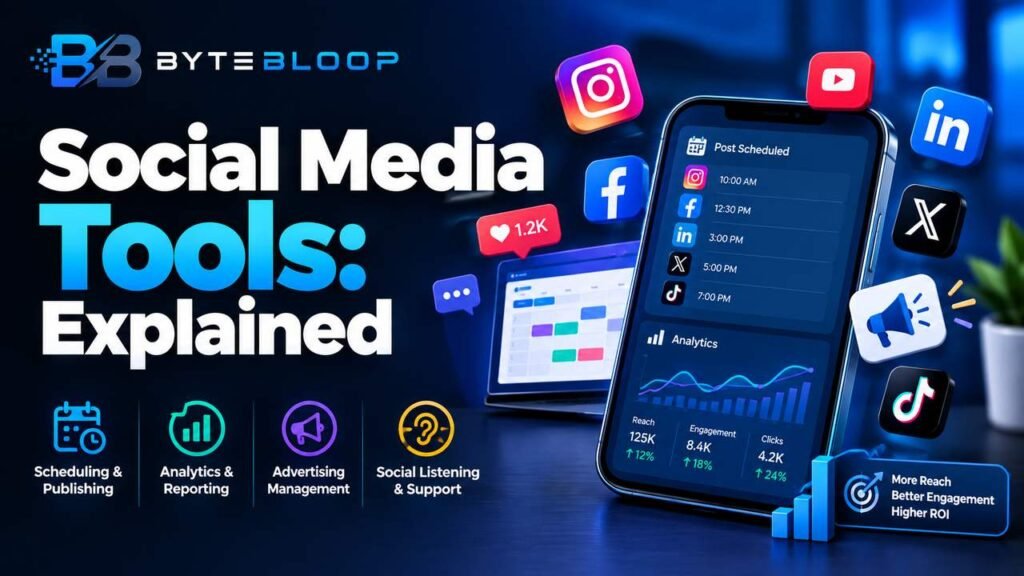
Social Media Tools: Explained
Introduction
In today’s digital age, social media tools are the backbone of any successful marketing strategy. They automate repetitive tasks, provide deep analytics, and enable cross‑platform collaboration, freeing marketers to focus on creative storytelling. From scheduling posts to listening for brand sentiment, these tools cover every stage of the social media funnel. The 2026 landscape has seen a convergence of features, with platforms like Buffer, Hootsuite, and Sprout Social offering robust integrations and AI‑powered insights. Understanding the core functions—scheduling, analytics, advertising, and listening—helps you choose the right tool for your goals. Whether you’re a solo entrepreneur or a large enterprise, the right social media tool can boost reach, engagement, and ROI. This guide breaks down the most popular options, highlights their key features, and shows how to align them with real‑world use cases. By the end, you’ll know which tool fits your workflow and how to leverage it for maximum impact.
What Are Social Media Tools?
Social media tools are software applications designed to streamline the creation, scheduling, publishing, and analysis of content across multiple social platforms. They range from simple schedulers to comprehensive suites that include paid‑media management, customer support, and competitive intelligence. The goal is to reduce manual effort, maintain brand consistency, and provide data‑driven decisions.
Core Categories of Social Media Tools
Scheduling & Publishing
These tools let you plan posts in advance, set optimal publishing times, and publish across Facebook, Instagram, LinkedIn, Twitter, TikTok, and more. Buffer and Sprinklr are leaders in this space, offering intuitive drag‑and‑drop calendars and bulk upload features.
Analytics & Reporting
Analytics tools aggregate engagement, reach, and conversion metrics, often providing sentiment analysis and audience segmentation. Hootsuite’s analytics dashboard, for instance, offers real‑time performance charts and custom report templates.
Advertising Management
Paid‑media tools help create, optimize, and track ad campaigns across platforms. Sprout Social’s ad management module allows you to monitor spend, ROI, and audience targeting from a single interface.
Social Listening & Customer Support
Listening tools capture brand mentions, track competitor activity, and surface emerging trends. Hootsuite’s listening feature, combined with sentiment analysis, helps brands respond quickly to customer feedback.
Top Social Media Tools of 2026
- Buffer – Known for its clean interface and robust scheduling, Buffer remains a favorite for small businesses and creators. According to the Zapier article, it excels in bulk scheduling and performance analytics.
- Hootsuite – A full‑featured platform that supports scheduling, analytics, and advertising. The Hootsuite guide notes its comprehensive dashboard and extensive integrations.
- Sprout Social – Offers premium scheduling, detailed analytics, and advanced customer support tools. The 2026 guide highlights its AI‑driven insights and collaboration features.
- Sprinklr – Enterprise‑grade solution with strong advertising and listening capabilities. The Indian market review lists Sprinklr among the top options for large brands.
- Zoho Social – Popular in India and globally, Zoho Social provides scheduling, monitoring, and reporting, with a strong focus on CRM integration.
Choosing the Right Tool for Your Business
When selecting a tool, consider the following criteria:
- Platform coverage – Does it support all the channels you use?
- Ease of use – Is the interface intuitive for new users?
- Analytics depth – Do you need basic engagement metrics or advanced audience insights?
- Cost structure – Are you looking for a free tier or a scalable enterprise plan?
- Integration ecosystem – Does it connect with your CRM, email marketing, or e‑commerce platforms?
Practical Use Cases
Content Calendar Planning
Marketers can create a visual calendar, assign team members to posts, and set publishing times that align with audience activity peaks.
Performance Reporting for Stakeholders
Custom dashboards allow managers to pull metrics on reach, engagement, and conversion, then export PDF reports for quarterly reviews.
Real‑Time Crisis Management
Listening tools alert teams to negative sentiment spikes, enabling rapid response and damage control.
Paid Campaign Optimization
By integrating ad spend data, marketers can compare organic vs. paid performance and adjust budgets on the fly.
Key Takeaways
- Social media tools automate scheduling, analytics, and ad management.
- Buffer, Hootsuite, and Sprout Social dominate the 2026 market.
- Choosing a tool depends on platform coverage, analytics depth, and cost.”
- Real‑time listening enables swift crisis response.”
Frequently Asked Questions
What is a social media management tool?
It is software that helps marketers schedule posts, analyze performance, manage ads, and listen to brand conversations across multiple platforms.
What are the key features of top tools like Buffer and Hootsuite?
They offer cross‑platform scheduling, detailed analytics dashboards, paid‑media management, and social listening capabilities.
What are the best use cases for these tools?
They excel in content calendar planning, stakeholder reporting, real‑time crisis management, and paid‑campaign optimization.
What are the pros and cons of using a single platform versus multiple tools?
A single platform provides unified data and reduces complexity, but may lack niche features that specialized tools offer. Multiple tools can cover gaps but increase integration overhead.
Conclusion
Based on the available information and industry analysis, social media tools of 2026 provide a comprehensive suite of scheduling, analytics, advertising, and listening features that empower marketers to streamline workflows and make data‑driven decisions. By selecting a platform that aligns with your channel mix, budget, and analytical needs, you can unlock higher engagement, faster crisis response, and more efficient campaign management.
Related Reading
- Mastering Social Media Analytics in 2026
Sources & References